


Start-up Stage
Shencai Energy began its entrepreneurial journey in the early 21st century, starting from a modest factory. Fueled by a passion for new energy technology and a forward-thinking vision, the company gradually gained recognition in the industry through stringent quality control measures and expanding its market presence.
Steady Development Stage
As market demand grew and technological innovation continued, Shencai Energy entered a phase of steady development. The company expanded its production capacity, diversified its product line, and enhanced its overall manufacturing capabilities.
Expansion and Take-off Stage
In the 2010s, Shencai Energy experienced rapid expansion and reached new heights. Capitalizing on the booming new energy market, the company invested heavily in research and development, consistently introducing advanced technologies to improve product quality and reduce production costs. During this period, Shencai Energy achieved significant success both domestically and internationally, establishing itself as a reputable brand.
Why Choose Us?
Our Factory
Our factory boasts internationally advanced lithium-ion battery production lines. From raw material screening to finished product assembly, every step is meticulously designed and optimized. Our team of senior experts and engineers is dedicated to developing innovative technologies that enhance battery performance and adapt to evolving market demands.
Quality Control
At Shencai Energy, quality is paramount. We implement a rigorous quality control system throughout the production process to ensure that every battery meets or exceeds international standards. From the arrival of raw materials to the departure of finished products, each stage is monitored by dedicated quality control specialists to ensure consistency and reliability. Additionally, we conduct regular spot checks and comprehensive tests to maintain the continuous stability of our product quality.
Safety First: Ensuring Employee Health
At our factory, the safety and health of our employees are our top priorities. We implement a rigorous safety management system to ensure personal safety throughout all work processes. Additionally, we provide comprehensive occupational health training and protective measures to safeguard the well-being of our employees.
Customer-Centric: Creating an Excellent Experience
We prioritize our customers' needs above all else. In designing and operating our plant, we carefully consider our customers' requirements to provide tailored battery solutions. Additionally, Shencai Energy has established a robust after-sales service system to deliver timely technical support and solutions, ensuring that our customers' equipment operates smoothly and efficiently.
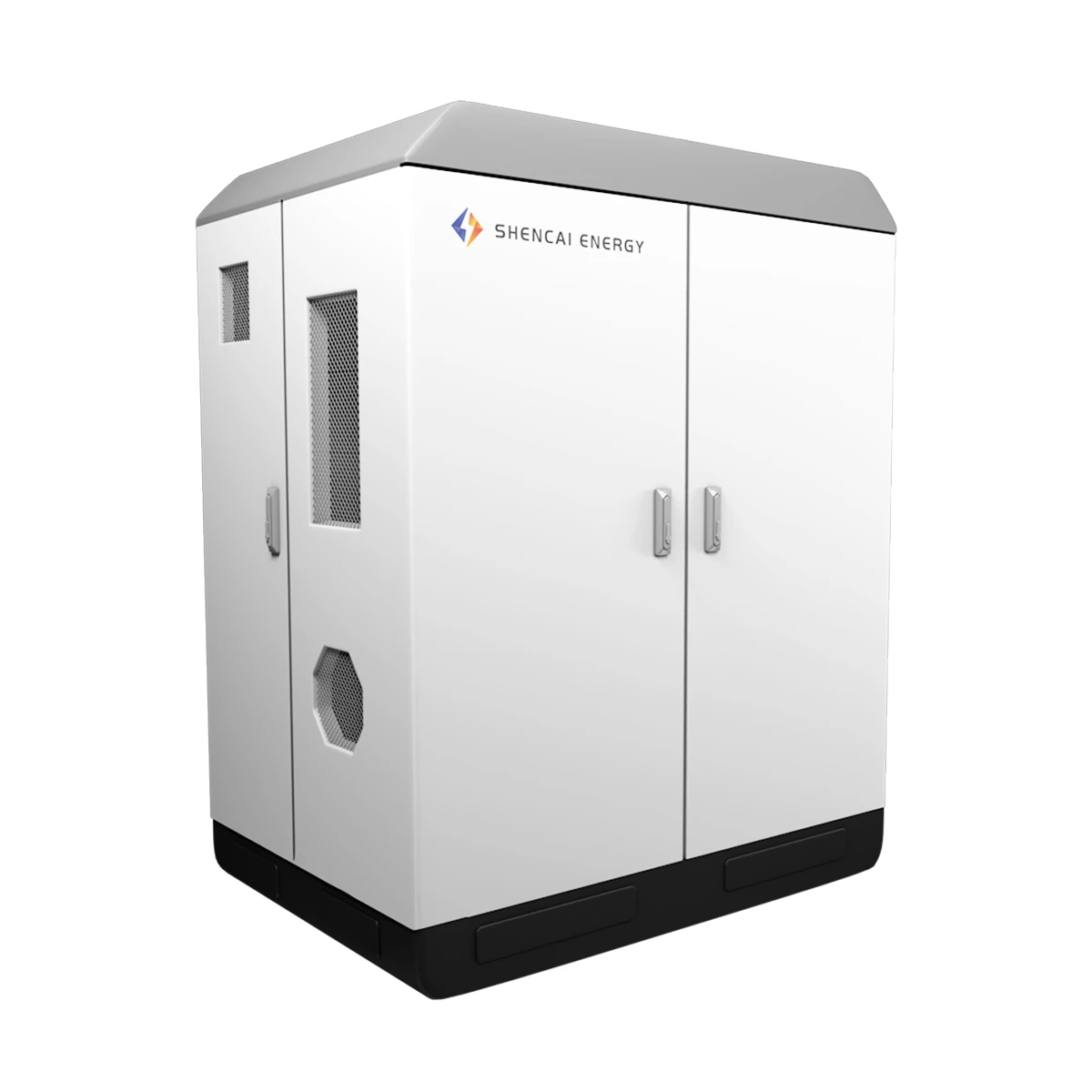
The peak-to-valley difference between industrial and commercial loads is growing each day. As new energy applications become more widespread, the power quality of the grid has become increasingly unstable, leading to rising costs.
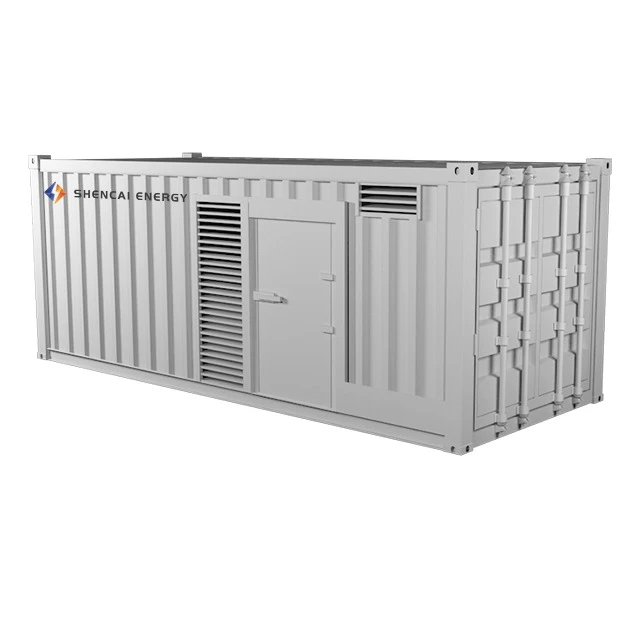
Multi-Scenario Adaptation: Supporting Peak and Valley Arbitrage, Auxiliary Services, and More
With the continuous advancement of medical technology and the growing number of medical devices, hospitals face an increasing demand for stable and reliable power supply.

Highly Reliable Protection: Resistant to Extreme Temperatures, Humidity, Salt Spray, and Other Harsh Environments
Shencai's commercial battery storage systems can be flexibly deployed across various industrial and commercial parks. By utilizing peak shaving, valley filling, capacity reduction, and demand reduction strategies, users can reduce electricity costs, improve power quality, and ensure emergency power backup for critical loads.
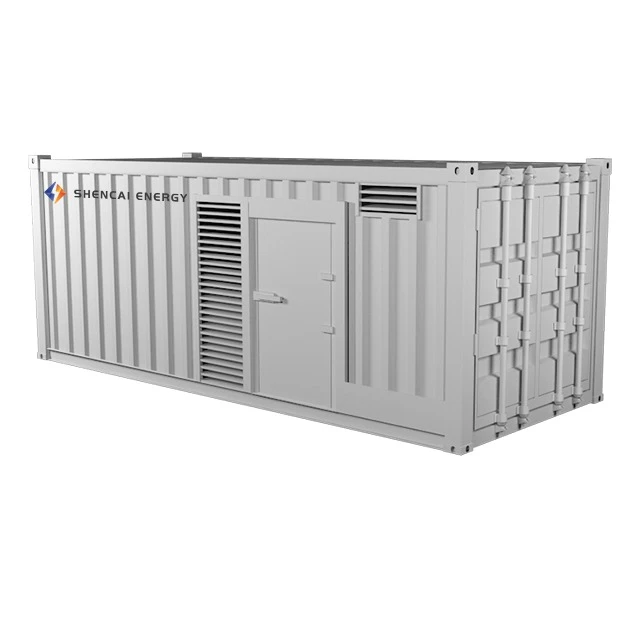
What is Energy Storage System LiFePO4 Container?
The energy storage system is a straightforward plug-and-play solution that includes a lithium LiFePO4 battery pack, a lithium solar charge controller, and an inverter for the required voltage.
Efficiency and Full Cycle Capacity
Lithium iron phosphate (LiFePO4) batteries offer efficient charging with constant current and voltage, enabling rapid recharging and quick readiness for use. They can be fully discharged while maintaining a high voltage level. These attributes make LiFePO4 batteries suitable for applications in robots, home energy storage, hybrid generators, and truck APU systems.
Low Energy Density
Energy density refers to the amount of power stored in a given space. LiFePO4 batteries have a lower energy density compared to other lithium batteries, requiring slightly larger sizes to provide the same energy. However, this trade-off is often worthwhile, as the lower density contributes to greater safety and stability, making the battery less volatile.
Battery Life
LiFePO4 batteries typically have a lifespan two to four times longer than lithium-ion batteries. Their stability at high temperatures allows them to withstand overcharging and longer storage without degradation. This extended shelf life is particularly beneficial for solar power systems, where batteries are expected to provide years of backup power, reducing overall costs and minimizing the risk of unexpected failures.
Environmental Friendliness
Unlike standard lithium-ion batteries, which contain hazardous materials, LiFePO4 batteries are not considered toxic. They are composed of common, easily available materials like iron, graphite, and copper, making them easier to recycle and potentially reuse as new batteries. Longer battery life translates to fewer replacements, reducing the overall carbon footprint and conserving resources.
Working Temperature
LiFePO4 batteries operate effectively in a temperature range of -40°F to 158°F. This broad temperature range makes them ideal for use in extreme conditions, such as remote monitoring equipment in Arctic and Sub-Saharan regions. They are suitable for weather monitoring equipment, marine buoys, and oil and gas pipeline equipment across various climates.
Easy to Store
LiFePO4 batteries feature a very low self-discharge rate, making long-term storage manageable. They can be stored below freezing, even at temperatures as low as -40°C (-40°F), without risk of swelling or damage. The absence of water in the electrolyte ensures that the battery remains stable even in extreme cold.
Depth of Discharge
LiFePO4 batteries can be fully discharged without compromising their performance. This deep discharge capability makes them ideal for solar energy systems, where multiple batteries can be connected to increase storage capacity and discharge at different rates without damage.
In summary, while both lithium and LiFePO4 batteries offer viable options for home energy storage, LiFePO4 batteries provide superior lifespan, environmental benefits, and stability. Their performance and cost-effectiveness make them a compelling choice for the future.
Application of Energy Storage System LiFePO4 Container
Solar PV systems
LFP batteries are commonly paired with solar photovoltaic (PV) systems to store excess energy generated during the day, making it available for use during periods of low sunlight or high energy demand.
Backup power systems
Many homeowners use LFP batteries as backup power systems to ensure an uninterrupted power supply during grid outages or emergencies. These batteries reliably power essential appliances and devices.
Off-grid living
For homeowners living off-grid or in remote areas without utility access, LFP batteries provide a reliable and sustainable energy storage solution. They enable residents to store energy from renewable sources, such as solar or wind power, for use both day and night.
Components of Energy Storage System LiFePO4 Container
Control System
The LiFePO4 energy storage system is managed by a programmable logic controller (PLC) and a human-machine interface (HMI). A key function of the PLC is to control the charging time and rate of the energy storage system. For example, the PLC receives real-time data on electricity prices and determines the optimal charging rate based on factors such as maximum allowable demand, the state of charge, and price comparisons during peak and off-peak hours. This decision-making process is dynamic and can be optimized on a case-by-case basis. The PLC integrates with the rest of the system through standardized communication inputs, control signals, and power supply. It can be accessed via dial-up or the Internet and features multiple layers of security to restrict access to its functions, along with customizable reporting and alarm functions for remote monitoring.
Power Conversion System (PCS)
The Power Conversion System (PCS) is responsible for charging and discharging the batteries while enhancing power quality, voltage support, and frequency control for the local grid. It features a sophisticated, fast-acting multi-quadrant dynamic controller (DSP) with dedicated control algorithms, capable of handling the full range of device operations, from full power absorption to full power output. The PCS efficiently manages any combination of reactive power and active/reactive power demands.
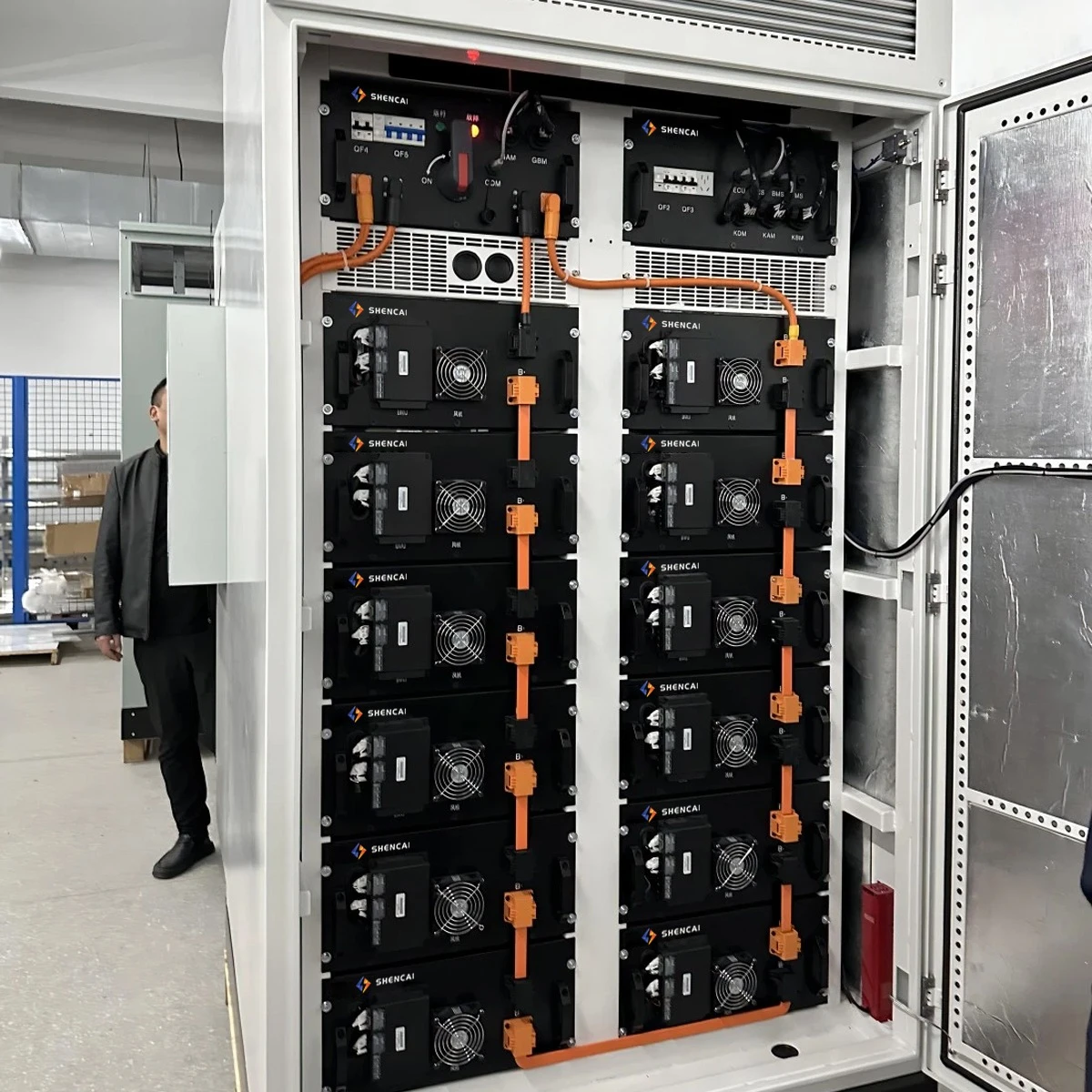
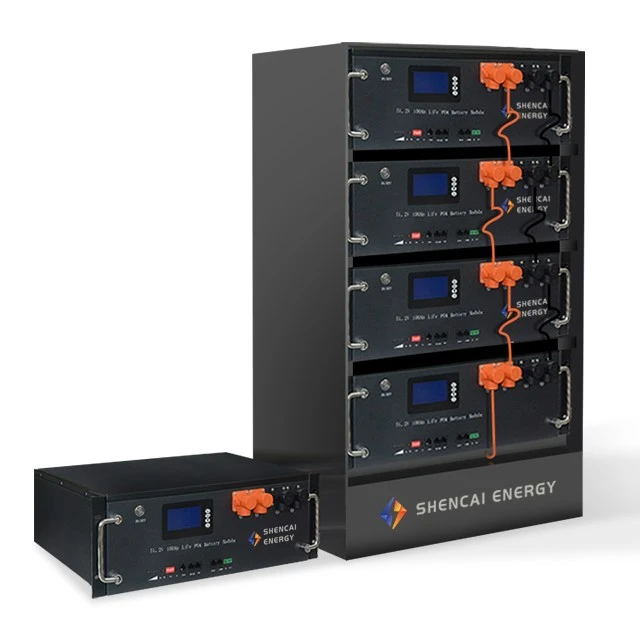
Lithium Iron Phosphate Battery Stack
The battery stack consists of multiple single cells. The Lithium Iron Phosphate (LiFePO4) battery pack is designed for economical, large-scale power storage and delivery, primarily in stationary applications. It is known for its long life, low maintenance, and high efficiency, supporting seamless expansion of power and storage capacity. These energy storage systems are particularly beneficial for renewable energy providers, grid operators, and end users.
Applications
Lithium iron phosphate energy storage systems are versatile and can be applied across the entire electricity supply value chain. They effectively convert intermittent renewable electricity, such as wind and solar, into a stable electricity output, making them an optimal solution for providing power in remote areas.
How to Maintain Energy Storage System LiFePO4 Container
4 Key Points About LiFePO4 Battery Storage
1. LiFePO4 Storage Time Length
To ensure optimal performance and longevity, LiFePO4 batteries should be stored under appropriate conditions, as extended storage can lead to passivation and accelerated self-discharge.
●Recommended Storage Temperature: -5 to +35°C (23 to 95°F)
●Up to 1 Month Storage: -20 to +60°C (4 to 140°F)
●Up to 3 Months Storage: -10 to +35°C (14 to 95°F)
●Extended Storage: +15 to +35°C (59 to 95°F)
●Extra Tips:
Maintain a storage charge level between 25% and 85%.
Keep the storage voltage at or below 3.65V/cell for long-term storage and below 3.90V/cell for short-term storage to prevent overcharging.
For long-term storage, cycle the battery at least once every 3-6 months and perform deep charge and discharge cycles. Avoid storing dead batteries.
2. LiFePO4 Storage by Season
Different seasons require different storage approaches due to varying temperatures and self-discharge rates.
●Summer Storage:
High temperatures increase the self-discharge rate to about 3-4% per month.
Store the battery in a cool, indoor environment, ideally at room temperature.
●Winter Storage:
Low temperatures reduce the self-discharge rate to about 2-3% per month.
Ensure the storage temperature is above freezing. For environments below -20°C, consider a low-temperature-rated LiFePO4 battery to withstand extreme conditions.
3. External Environment for LiFePO4 Storage
Proper storage conditions are crucial for battery longevity and performance.
●Temperature:
Maintain a constant, moderate temperature between 10°C and 25°C, with a maximum of 40°C. Temperatures below 0°C may cause irreversible damage.
●Environment:
Store in a dry environment to avoid moisture and corrosion.
Keep the battery in its original packaging with the lid securely closed.
Avoid placing the battery near electronic devices or other batteries to prevent potential interference and overheating.
●Extra Tips:
A Battery Management System (BMS) can monitor and protect the battery during storage.
4. Disconnect Before Storage
Ensure the battery is completely disconnected to prevent drain and potential damage.
●Disconnecting:
Use the master switch to turn off the battery, but also disconnect the positive and negative terminal cables to fully isolate the battery from any power sources.
This ensures the battery does not run low during storage and remains ready for use.
●Charging:
Always use the appropriate LiFePO4 charger to maintain the battery's health.
How LiFePO4 Batteries Store in Cold Weather
1. Prepare the Battery
Ensure the battery is fully charged or has enough charge to handle cold temperatures, preventing damage from deep discharging. Consider using an insulated box to maintain a stable temperature.
2. Monitor Temperature
Avoid temperatures below 0°C as they can cause permanent damage. Use a thermometer to regularly check and maintain appropriate storage conditions.
3. Keep It Charged
Regularly charge the battery according to the manufacturer's instructions to compensate for self-discharge. Check the voltage level before use after periods of storage.
Capacity: Determine the power requirements of your server equipment and calculate the necessary energy storage capacity. This will depend on factors such as the number of servers, their power consumption, and the duration of backup you require.
Voltage and Configuration: LiFePO4 batteries usually have a nominal voltage of 3.2V per cell. You may need to configure multiple cells in series or parallel to achieve the desired voltage and capacity.
Cycle Life: LiFePO4 batteries are known for their long cycle life compared to other lithium-ion chemistries. Check the manufacturer's specifications for the estimated number of charge-discharge cycles the battery can handle before its capacity significantly degrades.

Physical Size and Form Factor: Ensure that the battery you choose fits within your server rack's dimensions and form factor. Some batteries are designed specifically for rack-mount installations.
Management and Monitoring: Look for batteries equipped with built-in Battery Management Systems (BMS) for safety and monitoring. A BMS helps prevent overcharging, over-discharging, and other potential issues.
Temperature Tolerance: Consider the operating environment of your server room. While LiFePO4 batteries generally have good temperature tolerance, extreme temperatures could impact performance and lifespan.
Brand Reputation: Choose batteries from reputable manufacturers with a proven track record of producing reliable and safe energy storage solutions.
Warranty and Support: Review the warranty and support options provided by the manufacturer. This will give you confidence in the battery's longevity and performance.
Safety Certifications: Verify that the battery has relevant safety certifications, such as UL (Underwriters Laboratories) certification, to ensure it meets safety standards.

Certification Standards for Residential LFP Batteries
Installing lithium-ion batteries in a home carries risks if the systems are not properly designed, manufactured, or certified. Various standards ensure that residential batteries meet minimum safety, durability, and performance criteria. Certification by respected third-party organizations indicates that a battery system has passed rigorous testing and evaluation. Here are key standards and certifications for LFP batteries intended for residential use:
UN 38.3: Provides recommendations on the safety testing of lithium batteries under conditions such as thermal stress, shock, and external short circuits. This standard is applicable for battery transport.
CE (Conformité Européene): CE certification indicates that the product meets the health, safety, and environmental protection standards required in the European Economic Area (EEA). LFP batteries must comply with CE standards to be sold in European countries.
IEC 62619 (International Electrotechnical Commission): Addresses safety requirements specific to lithium-ion batteries across both small and large formats. Tests include overcharge, short circuit, crush, and flame exposure. IEC standards are widely accepted and used internationally.
UL 9540 and UL 9540A: These UL (Underwriters Laboratories) standards cover the safety of grid-connected energy storage systems, including batteries. UL 9540 focuses on overall system safety, while UL 9540A specifically addresses fire performance requirements. These certifications are typically required in North America, particularly in the United States.
UL 1973 (Underwriters Laboratories): This North American safety standard pertains to batteries used in stationary storage. It specifies tests such as temperature cycling, humidity, vibration, and crush.
FCC (Federal Communications Commission): FCC certification is specific to electromagnetic interference (EMI) compliance for electronic devices, including LFP battery systems with wireless communication capabilities. This certification ensures that the product does not interfere with other electronic devices and operates within permissible limits. It is necessary for products intended for sale in the United States.
LiFePO4 batteries can be stored on their side, but it is generally recommended to store them in an upright position to prevent potential leakage or damage. Storing them upright reduces the risk of electrolyte leakage, which could cause damage to surrounding objects or equipment.
If it is necessary to store the batteries on their side, ensure that they are securely positioned and protected from potential damage.
What Is the Best Voltage to Store Lifepo4 Batteries?
The optimal voltage for storing LiFePO4 batteries is between 3.2V and 3.3V per cell, which corresponds to approximately 50% to 70% of the battery's maximum charge capacity. Keeping the batteries within this voltage range helps minimize the risk of over-discharge or overcharging, which can damage the battery and shorten its lifespan.
Our Factory
First, the company is at the forefront of cutting-edge technology, setting industry trends. The factory is equipped with internationally advanced lithium-ion battery production lines. From raw material screening to finished product assembly, every step has been meticulously designed and optimized. The company boasts a technical team of senior experts and engineers dedicated to developing innovative technologies that enhance battery performance and meet the evolving market demands.


FAQ
Hot Tags: energy storage system lifepo4 container, China energy storage system lifepo4 container manufacturers, suppliers, factory, battery energy storage system for military applications, battery energy storage system for peak shaving, LiFePO4 Battery storage system, efficient battery energy storage system, battery energy storage system for research and development installations, battery energy storage system for energy storage and distribution


