

Hey there! As a supplier of home energy storage systems, I'm super stoked to chat with you about whether these systems can be integrated with smart home devices. It's a hot topic these days, and I've got some cool insights to share.
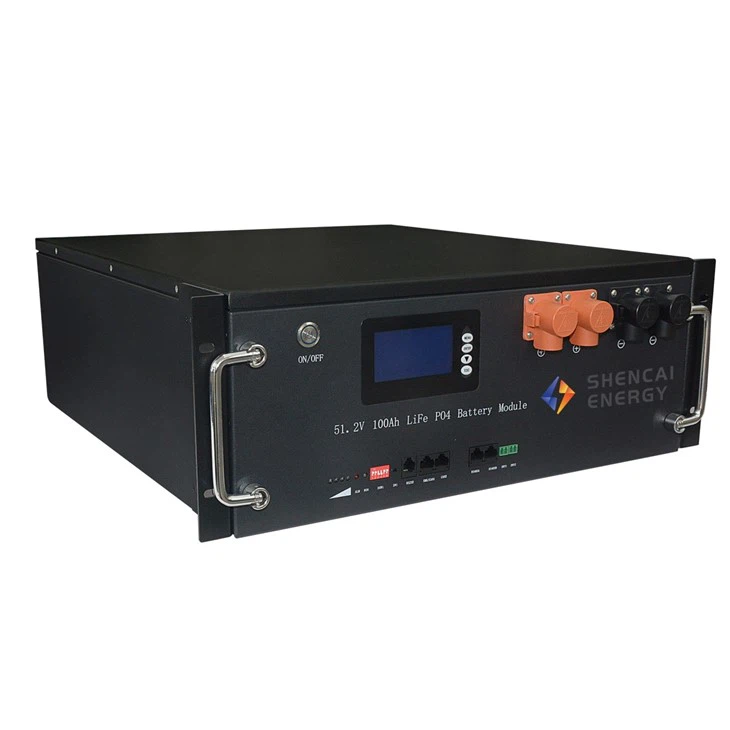
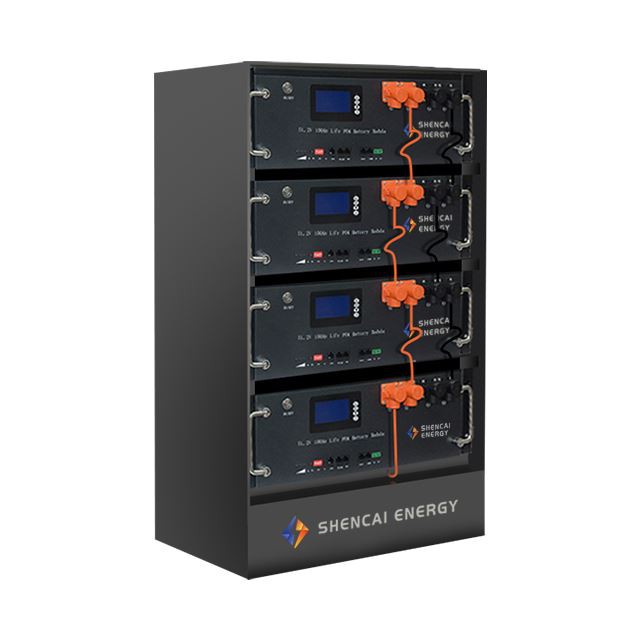
First off, let's talk about what home energy storage systems are all about. In simple terms, they're like big batteries for your home. They store the energy you generate, say from solar panels, so you can use it later when you need it. For example, my company offers some sick products like the 10kwh Solar Home Energy Storage System Battery Lithium LiFePO4. This baby can store a good amount of energy, giving you peace of mind knowing you've got power on standby.
Now, onto the main question: Can a home energy storage system be integrated with smart home devices? The answer is a resounding yes! And here's why it's such a game - changer.
Smart home devices have become increasingly popular in recent years. From smart thermostats that adjust the temperature based on your preferences and the time of day, to smart lights that you can control with your phone, these gadgets make our lives more convenient. When you integrate a home energy storage system with them, you can take your home's energy management to a whole new level.
Let's take a look at some of the benefits of this integration.
1. Energy Optimization
One of the biggest advantages is energy optimization. Smart home devices can communicate with your home energy storage system to determine when it's best to use stored energy. For instance, during peak electricity hours when the grid charges more for electricity, your smart thermostat can work with the storage system to use the stored energy instead of drawing from the grid. This not only saves you money but also reduces your carbon footprint.
Let's say you have a Wall Mounted Battery For House. Your smart home system can be programmed to know how much energy is stored in the battery at any given time. If you're about to run your dishwasher, the smart system can check the battery level. If there's enough stored energy, it'll use that instead of pulling from the grid.
2. Enhanced Control
With integration, you get enhanced control over your home's energy usage. You can monitor and manage your home energy storage system and smart devices all from one app on your phone or tablet. For example, you can see how much energy your solar panels are generating, how much is being stored in the battery, and how much each smart device is consuming.
This kind of control allows you to make informed decisions about your energy usage. Maybe you notice that your smart fridge is using more energy than usual. You can then take steps to adjust its settings or even consider replacing it if it's an old model.
3. Increased Reliability
Integrating a home energy storage system with smart devices also increases the reliability of your home's power supply. In case of a power outage, your smart devices can be set up to automatically switch to the stored energy in the battery. This means your security cameras will keep running, your Wi - Fi won't go down, and you won't be left in the dark.
Imagine having a House Power Storage system integrated with your smart home. When a storm knocks out the power, your smart lights can gradually dim to conserve energy in the battery, and your smart locks can still function, keeping your home secure.
How Does the Integration Work?
So, how exactly does this integration happen? Well, most modern home energy storage systems and smart home devices use standard communication protocols. These protocols allow different devices to "talk" to each other.
For example, many systems use Wi - Fi or Zigbee to communicate. Your home energy storage system can be connected to your home's Wi - Fi network. Then, your smart devices can also connect to the same network. Once they're all on the same network, they can share information.
Some energy storage systems come with their own software that can be integrated with popular smart home platforms like Amazon Alexa or Google Home. This means you can use voice commands to control both your smart devices and your energy storage system. You could say, "Alexa, check the battery level of my home energy storage system," and Alexa will give you the information.
Challenges and Considerations
Of course, like any new technology, there are some challenges and considerations when integrating a home energy storage system with smart home devices.
One challenge is compatibility. Not all smart home devices are compatible with every home energy storage system. You need to make sure that the devices you want to use are compatible with the system you're considering. This might involve some research and checking the specifications of both the devices and the storage system.
Another consideration is security. Since these devices are connected to your home network, there's a risk of cyber - attacks. You need to make sure that your home network is secure and that both your energy storage system and smart devices have proper security measures in place.
Conclusion
In conclusion, integrating a home energy storage system with smart home devices is a great idea. It offers energy optimization, enhanced control, and increased reliability. As a home energy storage system supplier, I've seen firsthand how this integration can transform a home into a more energy - efficient and convenient place to live.
If you're interested in learning more about how our home energy storage systems can be integrated with your smart home devices, or if you're ready to make a purchase, don't hesitate to reach out. We're here to help you take the next step towards a smarter, more energy - efficient home.
References
- Various industry reports on home energy storage and smart home technology
- Manufacturer specifications of home energy storage systems and smart home devices