

As a supplier of portable solar generators, I often get asked about the versatility and applicability of our products in various settings. One question that has piqued my interest lately is whether a portable solar generator can be used in a yurt. In this blog post, I'll explore this topic in detail, discussing the feasibility, benefits, and considerations of using a portable solar generator in a yurt.
Feasibility of Using a Portable Solar Generator in a Yurt
Yurts are traditional, circular tents that have been used for centuries by nomadic cultures in Central Asia. They are known for their portability, durability, and energy - efficient design. With the increasing popularity of off - grid living and outdoor adventures, many people are now using yurts as vacation homes, permanent residences, or camping shelters.
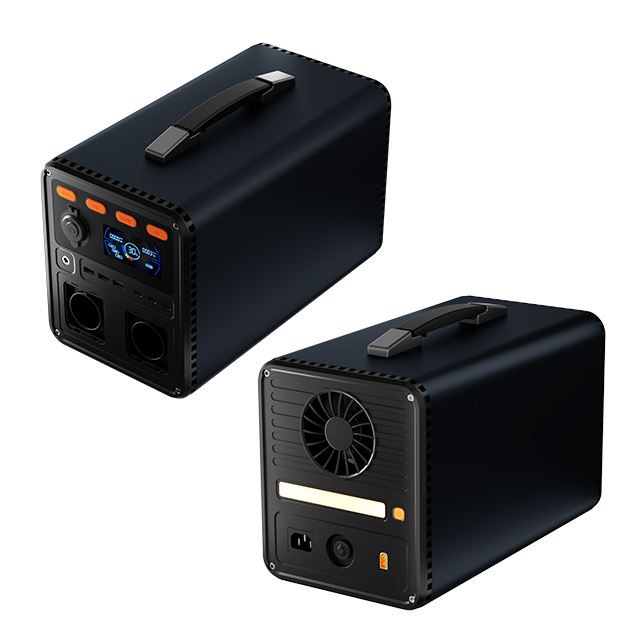
The good news is that a portable solar generator can indeed be used in a yurt. These generators are designed to be lightweight, easy to transport, and capable of providing power in remote locations. They work by converting sunlight into electricity through solar panels and storing it in a battery for later use.
Since yurts are often located in areas with ample sunlight, such as open fields or mountain meadows, they are an ideal setting for a portable solar generator. The solar panels can be placed on the roof of the yurt or in an open area nearby to capture sunlight throughout the day.
Benefits of Using a Portable Solar Generator in a Yurt
1. Independence from the Grid
One of the most significant benefits of using a portable solar generator in a yurt is the ability to live off - grid. Many yurts are located in areas where there is no access to the traditional power grid. By using a solar generator, you can have a reliable source of electricity for your essential appliances, such as lights, fans, and small electronics.
2. Environmental Friendliness
Solar energy is a clean and renewable source of power. Using a portable solar generator in your yurt reduces your carbon footprint and helps to protect the environment. Unlike traditional generators that run on fossil fuels, solar generators produce no emissions and do not contribute to air pollution.
3. Cost - Efficiency
Although the initial investment in a portable solar generator may be higher than a traditional generator, the long - term cost savings are significant. Once you have purchased the generator, the fuel (sunlight) is free. You also save on maintenance costs since solar generators have fewer moving parts and require less upkeep compared to fossil - fuel generators.
4. Quiet Operation
Portable solar generators operate silently, unlike traditional generators that can be quite noisy. This is especially beneficial in a yurt, where you may want to enjoy the peace and quiet of nature. The lack of noise also makes it more comfortable for you and your guests.
Considerations When Using a Portable Solar Generator in a Yurt
1. Power Requirements
Before choosing a portable solar generator for your yurt, you need to determine your power requirements. Make a list of all the appliances and devices you plan to use in the yurt, including their power consumption (in watts) and how long you will use them each day. This will help you select a generator with the appropriate capacity.
For example, if you only need to power a few LED lights, a small - capacity generator like the Hot Sale1008wh Home Outdoor Solar Power Bank may be sufficient. However, if you want to run larger appliances such as a refrigerator or a microwave, you will need a more powerful generator like the Outdoor small size high capacity 1500W Lifepo4 Lithium Cell Camping Solar Generator Portable Power Station.
2. Solar Panel Placement
The placement of the solar panels is crucial for the efficient operation of the portable solar generator. The panels should be placed in an area where they can receive direct sunlight for most of the day. In a yurt, you can mount the panels on the roof if it has a suitable angle and is unobstructed. If the roof is not an option, you can place the panels on the ground nearby, making sure they are facing south (in the Northern Hemisphere) to maximize sunlight exposure.
3. Weather Conditions
Yurts are often exposed to various weather conditions, including rain, snow, and strong winds. It's important to choose a portable solar generator that is weather - resistant. Look for generators with a durable外壳 and sealed components to protect them from the elements. Additionally, you may need to adjust the placement of the solar panels during extreme weather to prevent damage.
4. Battery Capacity and Charging Time
The battery capacity of the portable solar generator determines how much power it can store. A larger battery capacity means more power is available for use, especially during periods of low sunlight. Also, consider the charging time of the generator. Some generators can be fully charged in a few hours, while others may take longer.
Our Product Range for Yurt Use
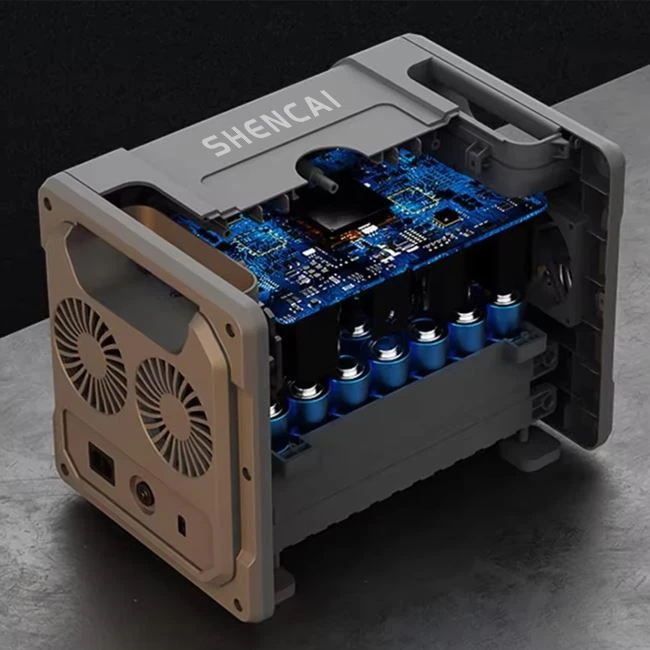
We offer a wide range of portable solar generators that are suitable for use in yurts. Our Portable Power Station With Solar Panel is a popular choice among customers. It comes with high - efficiency solar panels and a long - lasting battery, providing reliable power for your yurt.
Our generators are designed with user - friendly features, such as easy - to - read displays and multiple charging ports. You can charge your devices, run small appliances, and even power larger equipment with our generators.
Conclusion
In conclusion, a portable solar generator is a great option for powering a yurt. It offers independence from the grid, environmental friendliness, cost - efficiency, and quiet operation. However, you need to consider your power requirements, solar panel placement, weather conditions, and battery capacity when choosing a generator.
If you are interested in purchasing a portable solar generator for your yurt or have any questions about our products, please feel free to contact us. We are here to provide you with the best solutions for your off - grid power needs.
References
- "Solar Power for Dummies" by Rik DeGunther
- "Off - Grid Living: A Practical Guide" by Ben Fogle