

Can an outdoor energy power supply be used for boating? This is a question that many boating enthusiasts and outdoor adventurers often ask. As a supplier of outdoor energy power supplies, I'm here to provide you with a comprehensive answer based on scientific facts and practical experience.
Understanding Outdoor Energy Power Supplies
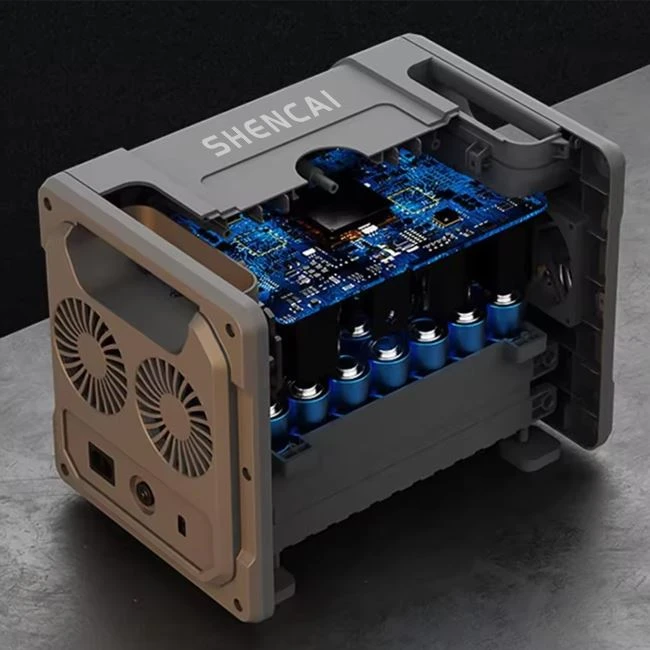
Outdoor energy power supplies come in various forms, including portable power stations and solar generators. These devices are designed to provide electricity in remote locations where traditional power sources are unavailable. They are typically equipped with rechargeable batteries, such as LiFePo4 (Lithium Iron Phosphate) cells, which offer high energy density, long lifespan, and enhanced safety compared to other battery types.
One of our popular products is the 315000mah LiFePo4 Generating Portable Power Station. With its large capacity and advanced LiFePo4 technology, it can store a significant amount of energy and provide power for multiple devices simultaneously. Another option is the Portable Solar Generator, which combines solar panels with a power station to recharge the battery using sunlight. This makes it an eco - friendly and sustainable choice for outdoor activities.
Suitability for Boating
Advantages
- Powering Essential Devices: When boating, you may need to power various essential devices such as navigation systems, fish finders, lights, and communication devices. An outdoor energy power supply can ensure that these devices stay operational throughout your journey. For example, a GPS navigation system is crucial for safely navigating waterways, and a reliable power source can prevent any interruptions that could lead to getting lost.
- Flexibility and Mobility: Unlike traditional generators, outdoor energy power supplies are lightweight and portable. They can be easily carried on board a boat and moved around as needed. This flexibility allows you to place the power supply in a convenient location, away from sensitive equipment or in a well - ventilated area.
- Quiet Operation: Many outdoor energy power supplies operate silently, which is a significant advantage when boating. Traditional gasoline or diesel generators can be noisy, disturbing the peace of the water and potentially scaring away fish. A quiet power supply allows you to enjoy a more peaceful and relaxing boating experience.
- Environmentally Friendly: Solar - powered outdoor energy power supplies produce zero emissions, making them an environmentally friendly option for boating. This is especially important in sensitive marine ecosystems where pollution can have a negative impact on wildlife and water quality.
Considerations
- Water Resistance: Boating involves exposure to water, so it's essential to choose an outdoor energy power supply that is water - resistant or waterproof. Look for products with an IP (Ingress Protection) rating that indicates their level of protection against water and dust. For example, an IPX4 rating means the device is protected against splashing water from any direction.
- Power Requirements: Different boats have different power requirements depending on the size of the vessel and the number of devices being used. Before purchasing an outdoor energy power supply, calculate your total power consumption to ensure that the power supply can meet your needs. Our Outdoor small size high capacity 1500W Lifepo4 Lithium Cell Camping Solar Generator Portable Power Station is a great option for boats with moderate power requirements.
- Recharging Options: While on the water, recharging the power supply can be a challenge. If you choose a solar - powered generator, make sure there is enough sunlight available to recharge the battery. You may also consider bringing a backup charging method, such as a car charger or a portable wind turbine, to ensure that you can recharge the power supply even in cloudy conditions.
Case Studies
Let's take a look at some real - life examples of how outdoor energy power supplies have been used for boating.
Case 1: John, an avid fisherman, uses a portable solar generator on his small fishing boat. He powers his fish finder, navigation system, and lights with the generator. The solar panels on the generator recharge the battery during the day, allowing him to fish for extended periods without worrying about running out of power.
Case 2: Sarah and her family go on a weekend boating trip on a larger yacht. They use a high - capacity LiFePo4 portable power station to power multiple devices, including a refrigerator, a TV, and several charging ports. The power station provides reliable power throughout the trip, and they can recharge it using the yacht's alternator when needed.
Tips for Using Outdoor Energy Power Supplies on Boats
- Proper Installation: Mount the power supply securely on the boat to prevent it from moving around during rough waters. Use appropriate mounting brackets or straps to ensure stability.
- Regular Maintenance: Check the battery level regularly and recharge the power supply as needed. Keep the power supply clean and dry, and inspect it for any signs of damage or wear.
- Safety Precautions: Follow all safety instructions provided by the manufacturer. Avoid overloading the power supply, and use only compatible devices. Keep the power supply away from heat sources and flammable materials.
Conclusion
In conclusion, an outdoor energy power supply can be an excellent choice for boating. It offers numerous advantages, including powering essential devices, flexibility, quiet operation, and environmental friendliness. However, it's important to consider factors such as water resistance, power requirements, and recharging options before making a purchase.
If you're interested in learning more about our outdoor energy power supplies or would like to discuss your specific boating power needs, we're here to help. Contact us to start a procurement discussion, and let us find the perfect power solution for your boating adventures.

References
- "Marine Electrical Systems Handbook" by Nigel Calder
- "Portable Power Stations: A Comprehensive Guide" by Outdoor Power Magazine