

Hey there! As a supplier of battery storage systems, I've been getting a lot of questions lately about whether these systems can be used in commercial buildings. Well, let's dive right into this topic and see what the deal is.
First off, what exactly are battery storage systems? Simply put, they're devices that store electrical energy so it can be used later. They're like big rechargeable batteries, but on a much larger scale. We've got some cool products, like the 5kwh Stacked Energy Storage System For Home and the 51.2V Assembled Home Energy Battery, which are great for residential use. But can they work in commercial buildings?
Benefits of Using Battery Storage Systems in Commercial Buildings
There are several reasons why battery storage systems can be a game - changer for commercial buildings.
1. Energy Cost Savings
One of the biggest advantages is the potential to save on energy costs. Commercial buildings often have high energy demands, and electricity prices can vary throughout the day. With a battery storage system, you can charge the batteries during off - peak hours when electricity is cheaper. Then, during peak hours when prices skyrocket, you can use the stored energy instead of drawing from the grid. This is called peak shaving. For example, a large office building that has a high demand for air - conditioning in the afternoon can use the stored energy during that time, reducing its reliance on expensive peak - hour electricity.
2. Backup Power
Power outages can be a major headache for commercial operations. Whether it's a manufacturing plant, a hospital, or a retail store, any interruption in power can lead to lost productivity, spoiled goods, and unhappy customers. A battery storage system can act as a reliable backup power source. In the event of a power outage, the batteries can kick in immediately, providing electricity to keep essential systems running until the main power is restored. This is crucial for businesses that can't afford even a short disruption in their operations.
3. Grid Independence
Some commercial buildings may want to reduce their dependence on the grid for various reasons, such as concerns about grid reliability or a desire to be more environmentally friendly. A battery storage system, when combined with renewable energy sources like solar panels, can help achieve a greater degree of grid independence. For instance, a solar - powered warehouse can store the excess energy generated by the solar panels during the day in the batteries. This stored energy can then be used at night or on cloudy days, reducing the need to draw from the grid.
4. Renewable Energy Integration
As more and more commercial buildings are looking to incorporate renewable energy sources like solar and wind, battery storage systems play a vital role. Renewable energy generation is intermittent; solar panels only produce electricity when the sun is shining, and wind turbines only work when there's enough wind. Battery storage can store the excess energy generated during periods of high renewable energy production. This way, the energy can be used when the renewable sources aren't producing enough power, making the overall energy system more stable and reliable.
Challenges of Using Battery Storage Systems in Commercial Buildings
Of course, it's not all sunshine and rainbows. There are also some challenges associated with using battery storage systems in commercial buildings.
1. High Initial Cost
The upfront cost of installing a battery storage system can be quite high. You need to purchase the batteries, the inverters, and other necessary equipment, as well as pay for installation. For small and medium - sized businesses, this can be a significant financial hurdle. However, it's important to consider the long - term savings and benefits that the system can provide. Over time, the cost savings on energy bills and the value of backup power can offset the initial investment.

2. Space Requirements
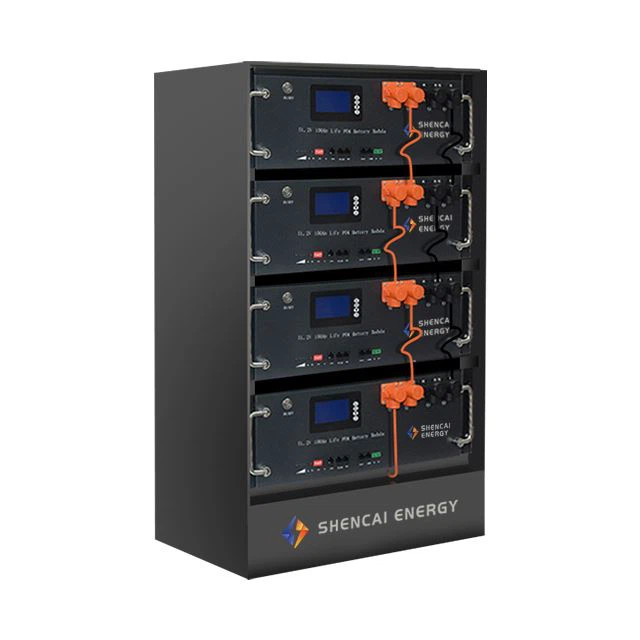
Battery storage systems can take up a fair amount of space. Commercial buildings need to have enough room to install the batteries and related equipment. This can be a problem for buildings with limited floor space. However, advancements in battery technology are leading to more compact and efficient designs, which can help mitigate this issue.
3. Battery Lifespan and Maintenance
Batteries have a limited lifespan, and they require regular maintenance. Over time, the performance of the batteries will degrade, and they may need to be replaced. Maintenance tasks can include monitoring the battery state of charge, temperature, and overall health. Additionally, proper disposal of old batteries is important to avoid environmental issues. These factors add to the overall cost and complexity of using battery storage systems.
Case Studies
Let's take a look at some real - world examples of commercial buildings using battery storage systems.
1. A Retail Mall
A large retail mall installed a battery storage system to reduce its energy costs. The mall has a high demand for lighting, escalators, and air - conditioning. By charging the batteries at night and using the stored energy during the day, the mall was able to save a significant amount on its electricity bills. Additionally, during a recent power outage, the battery storage system provided backup power to keep the essential lighting and security systems running, ensuring the safety of the shoppers and the protection of the stores' merchandise.
2. A Data Center
Data centers are extremely energy - intensive and require a constant and reliable power supply. A data center implemented a battery storage system along with its existing UPS (Uninterruptible Power Supply) system. The battery storage system provided additional backup power and also helped with peak shaving. By using the stored energy during peak hours, the data center was able to reduce its overall energy costs and improve its energy efficiency.
Our Solutions for Commercial Buildings
As a battery storage system supplier, we've got solutions tailored to the specific needs of commercial buildings. Our battery systems are designed to be efficient, reliable, and easy to install. We offer a range of capacities to suit different energy demands, whether it's a small office or a large industrial complex.
We also provide comprehensive support, including installation services, maintenance, and monitoring. Our team of experts can work with you to design a custom battery storage solution that fits your building's energy profile and budget. Whether you're looking to save on energy costs, have a reliable backup power source, or integrate renewable energy, we've got you covered.
Conclusion
So, can battery storage systems be used in commercial buildings? Absolutely! The benefits of energy cost savings, backup power, grid independence, and renewable energy integration make them a great option for many commercial applications. While there are challenges such as high initial costs, space requirements, and battery maintenance, the long - term advantages often outweigh these drawbacks.
If you're a commercial building owner or manager and you're interested in learning more about how a battery storage system can benefit your business, don't hesitate to reach out. We're here to help you make an informed decision and find the right solution for your needs. Let's start a conversation about how we can work together to improve your building's energy efficiency and reliability.
References
- Smith, J. (2020). "The Economics of Battery Storage in Commercial Buildings." Journal of Energy Management.
- Johnson, A. (2021). "Backup Power Solutions for Commercial Operations." Power Systems Review.
- Green, B. (2022). "Renewable Energy Integration with Battery Storage in Commercial Buildings." Sustainable Energy Journal.