

In the contemporary digital age, data centers have emerged as the nerve - centers of global information technology, driving economic growth, innovation, and connectivity. However, the escalating energy demands and associated challenges have spurred a search for more sustainable and efficient energy solutions. As a Container Energy Storage supplier, I am deeply intrigued by the potential of container energy storage in data centers. This blog post aims to explore whether container energy storage can be effectively used in data centers, delving into the technology, benefits, challenges, and future prospects.

The Current Energy Landscape of Data Centers
Data centers are notorious for their high energy consumption. They house a vast array of servers, cooling systems, and networking equipment that require a continuous and reliable power supply. According to industry reports, data centers account for approximately 1 - 2% of the world's total electricity consumption, and this figure is expected to rise as the demand for digital services continues to soar.
The traditional power infrastructure for data centers typically relies on the grid, supplemented by backup generators. While the grid provides a relatively stable power source, it is subject to outages, voltage fluctuations, and peak - demand charges. Backup generators, on the other hand, are often noisy, emit pollutants, and require regular maintenance. These limitations have led to the exploration of alternative energy storage solutions to enhance the energy efficiency and reliability of data centers.
What is Container Energy Storage?
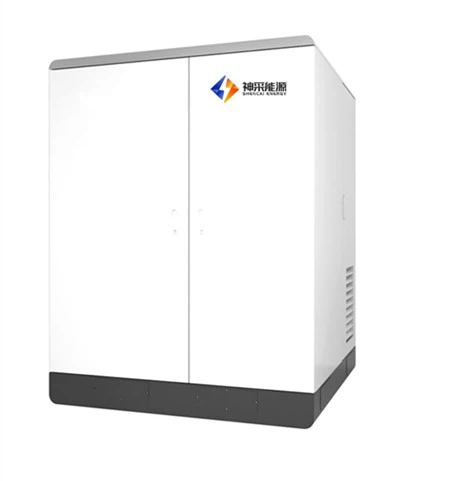
Container energy storage refers to a pre - fabricated, modular energy storage system housed in a standard shipping container. These containers are designed to be easily transportable, scalable, and adaptable to various applications. Inside the container, there are battery packs, power conversion systems, thermal management systems, and control units.
There are different types of battery technologies used in container energy storage, such as lithium - iron - phosphate (LiFePO4), lead - acid, and flow batteries. LiFePO4 batteries are particularly popular due to their high energy density, long cycle life, and excellent safety performance. For more information on a Battery Storage System Station, you can visit the provided link.
Advantages of Using Container Energy Storage in Data Centers
1. Energy Management and Peak Shaving
One of the primary benefits of container energy storage in data centers is its ability to manage energy consumption effectively. Data centers often experience peak demand periods, during which the electricity cost is significantly higher. Container energy storage systems can store excess energy during off - peak hours when the electricity price is low and discharge it during peak hours. This process, known as peak shaving, helps to reduce the overall electricity cost for data centers.
2. Uninterruptible Power Supply (UPS)
Container energy storage can serve as an efficient uninterruptible power supply for data centers. In the event of a grid outage, the energy storage system can immediately provide power to critical equipment, ensuring continuous operation and preventing data loss. Compared to traditional UPS systems, container energy storage has a larger storage capacity and can support longer - duration power outages.
3. Renewable Energy Integration
With the increasing adoption of renewable energy sources such as solar and wind in data centers, container energy storage plays a crucial role in integrating these intermittent energy sources. It can store the excess energy generated by renewable sources when the production exceeds the demand and release it when the renewable energy production is low. This helps to balance the power supply and demand and reduces the reliance on the grid.
4. Scalability and Flexibility
Container energy storage systems are highly scalable. Data centers can easily add or remove containers based on their changing energy requirements. This modular design also allows for easy installation and relocation, providing greater flexibility compared to traditional fixed - location energy storage solutions. For details on a scalable Energy Storage System LiFePO4 Container, you can refer to the link.
Challenges and Considerations
1. Initial Investment
The upfront cost of installing container energy storage systems can be relatively high. This includes the cost of the battery, power conversion equipment, and installation. However, it is important to consider the long - term savings in electricity costs and the potential revenue from grid - related services such as frequency regulation and demand response.
2. Battery Degradation
Battery degradation is a significant concern in container energy storage systems. Over time, the performance of batteries will decline, reducing their storage capacity and cycle life. Proper battery management systems and thermal management are essential to mitigate battery degradation and ensure the long - term reliability of the energy storage system.
3. Regulatory and Safety Requirements
Data centers need to comply with various regulatory and safety requirements when using container energy storage. These include fire safety, electrical safety, and environmental regulations. It is crucial to work with experienced suppliers who can ensure that the energy storage system meets all the necessary standards.
Case Studies and Real - World Applications
There are already several successful case studies of container energy storage being used in data centers. For example, some large - scale data centers in Europe have installed container energy storage systems to reduce their carbon footprint and energy costs. These systems have demonstrated significant savings in electricity bills and improved the overall energy efficiency of the data centers.
Future Outlook
The future of container energy storage in data centers looks promising. As battery technology continues to evolve, the cost of energy storage is expected to decrease, while the performance and reliability will improve. This will make container energy storage more accessible and attractive to data centers of all sizes.
In addition, the integration of artificial intelligence and advanced control systems will enable more intelligent energy management in data centers. Container energy storage systems will be able to predict energy demand, optimize charging and discharging cycles, and interact with the grid more effectively.
Conclusion
In conclusion, container energy storage has great potential to be used in data centers. It offers numerous benefits such as energy management, uninterruptible power supply, renewable energy integration, and scalability. Although there are some challenges and considerations, the long - term advantages outweigh the initial investment and difficulties.
As a Container Energy Storage supplier, we are committed to providing high - quality, reliable, and cost - effective energy storage solutions for data centers. Our Rackmount Storage Battery and other related products are designed to meet the specific needs of data centers.
If you are interested in exploring the use of container energy storage in your data center or have any questions about our products, we encourage you to contact us for a detailed discussion and procurement negotiation. We look forward to working with you to create a more sustainable and efficient energy future for your data center.
References
- "Data Center Energy Consumption Trends and Strategies for Efficiency" by the U.S. Department of Energy
- "Battery Energy Storage Systems: Design and Application" by IEEE Press
- Industry reports from market research firms such as BloombergNEF and GTM Research