

As a supplier of residential storage batteries, I often receive inquiries from customers in areas prone to high seismic activity. The question on everyone's mind is whether it's safe and practical to use residential storage batteries in such regions. In this blog post, I'll delve into this topic, exploring the technical aspects, safety measures, and real - world applications of residential storage batteries in earthquake - prone areas.

Technical Considerations
Battery Design and Construction
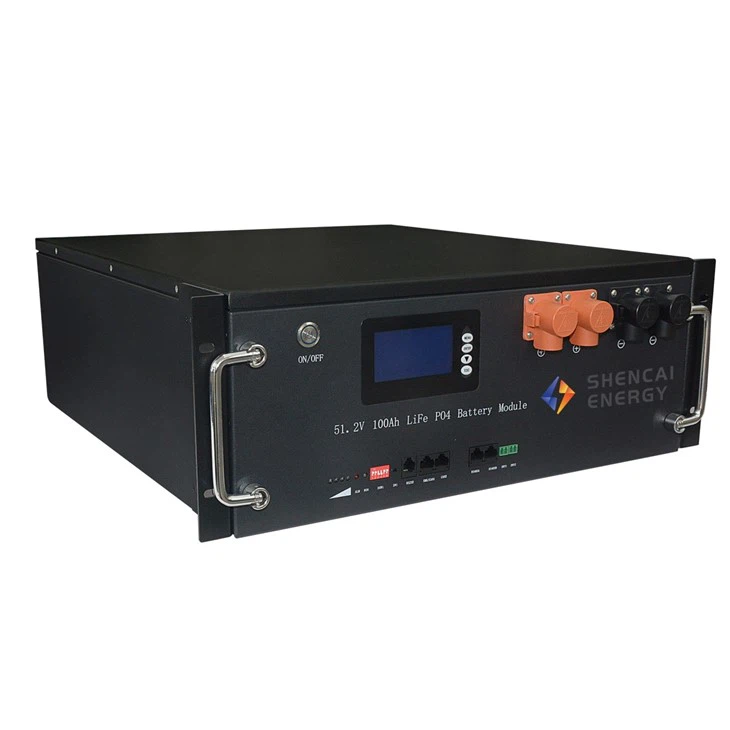
Residential storage batteries come in various types, such as lithium - ion (including LiFePO4), lead - acid, and others. Lithium - ion batteries, especially LiFePO4 ones like our 10kwh Solar Home Energy Storage System Battery Lithium LiFePO4, have gained popularity due to their high energy density, long cycle life, and relatively low self - discharge rate.
When it comes to seismic activity, the physical design of the battery is crucial. Batteries need to be constructed with sturdy enclosures that can withstand the vibrations and shocks associated with earthquakes. The internal components should be well - secured to prevent shifting or damage during seismic events. For example, the battery cells should be firmly mounted within the battery pack, and the electrical connections should be designed to resist movement.
Mounting and Installation
Proper mounting and installation are essential for the safe use of residential storage batteries in high - seismic areas. Batteries should be installed using appropriate mounting brackets and fasteners that are designed to withstand seismic forces. The installation location should also be carefully chosen. For instance, it is advisable to install batteries in areas that are less likely to be affected by falling debris or structural collapse during an earthquake.
In some cases, seismic isolation devices can be used to reduce the impact of vibrations on the battery. These devices work by decoupling the battery from the building's structure, allowing it to move independently to some extent during an earthquake.
Safety Measures
Fire and Explosion Risks
One of the main concerns with using batteries in any environment, especially in areas with high seismic activity, is the risk of fire and explosion. Lithium - ion batteries, in particular, can pose a fire hazard if they are damaged or overheated. During an earthquake, the physical damage to the battery can cause short - circuits, which may lead to thermal runaway and potentially a fire or explosion.
To mitigate these risks, our batteries, such as the House Intelligent Power Storage and House UPS Power Supply, are equipped with multiple safety features. These include over - charge and over - discharge protection, short - circuit protection, and thermal management systems. The battery management system (BMS) continuously monitors the battery's status and can take corrective actions if any abnormal conditions are detected.
Leakage and Toxicity
Another safety concern is the potential for battery electrolyte leakage. Some battery chemistries, such as lead - acid batteries, contain toxic substances. In the event of an earthquake - induced damage, the leakage of these substances can pose a health and environmental risk.
Our lithium - ion batteries are designed to minimize the risk of electrolyte leakage. The battery enclosures are sealed to prevent the escape of any potentially harmful substances. Additionally, in case of damage, the BMS can detect abnormal pressure changes within the battery and take steps to isolate the affected cells or shut down the battery system to prevent further damage.
Real - World Applications and Case Studies
Successful Implementations
There have been successful implementations of residential storage batteries in high - seismic areas around the world. For example, in Japan, a country known for its high seismic activity, many households have installed residential storage batteries to enhance their energy resilience. These batteries not only provide backup power during power outages caused by earthquakes but also help in managing energy consumption.
In these installations, strict safety standards and regulations are followed. The batteries are installed by trained professionals who ensure that all the necessary safety measures are in place. The experience in Japan shows that with proper design, installation, and maintenance, residential storage batteries can be safely used in high - seismic areas.
Challenges and Lessons Learned
However, there have also been challenges. In some cases, improper installation or lack of maintenance has led to battery failures during seismic events. For example, if the mounting brackets are not properly tightened, the battery can shift during an earthquake, causing internal damage.
These experiences have taught us the importance of providing comprehensive training to installers and end - users. We also need to continuously improve our battery designs based on the lessons learned from real - world applications.
Benefits of Using Residential Storage Batteries in High - Seismic Areas
Energy Resilience
One of the main benefits of using residential storage batteries in high - seismic areas is energy resilience. During an earthquake, power outages are common. Having a residential storage battery can provide backup power to essential appliances and systems, such as lights, refrigerators, and medical equipment. This can be crucial for the well - being of residents, especially in the immediate aftermath of an earthquake when the power grid may be down for an extended period.
Load Management
Residential storage batteries can also help in load management. They can store excess energy generated from renewable sources, such as solar panels, during the day and release it when the demand is high or when the grid is unavailable. This can reduce the reliance on the power grid and help in stabilizing the local energy supply.
Conclusion
In conclusion, residential storage batteries can be used in areas with high seismic activity, but it requires careful consideration of technical aspects, implementation of appropriate safety measures, and adherence to best practices in installation and maintenance. As a supplier, we are committed to providing high - quality batteries that are designed to meet the unique challenges of high - seismic environments.
If you are interested in learning more about our residential storage batteries or are considering purchasing a battery for your home in a high - seismic area, we encourage you to contact us for a detailed consultation. Our team of experts can provide you with the information you need to make an informed decision and ensure the safe and effective use of our products.
References
- "Seismic Design and Evaluation of Battery Energy Storage Systems", Journal of Energy Storage, Vol. XX, Issue XX, 20XX
- "Safety Considerations for Lithium - Ion Batteries in Seismic Areas", International Journal of Battery Technology, Vol. XX, Issue XX, 20XX
- Case studies from Japan's Ministry of Economy, Trade and Industry on residential energy storage in seismic areas.