

As a supplier of House Battery Storage Systems, I've witnessed firsthand the growing demand for efficient and reliable energy management solutions in residential settings. House battery storage systems play a crucial role in optimizing energy usage, reducing reliance on the grid, and promoting sustainable living. In this blog, I'll delve into how these systems manage energy flow, exploring the underlying technologies and strategies that make them so effective.

Understanding the Basics of Energy Flow in House Battery Storage Systems
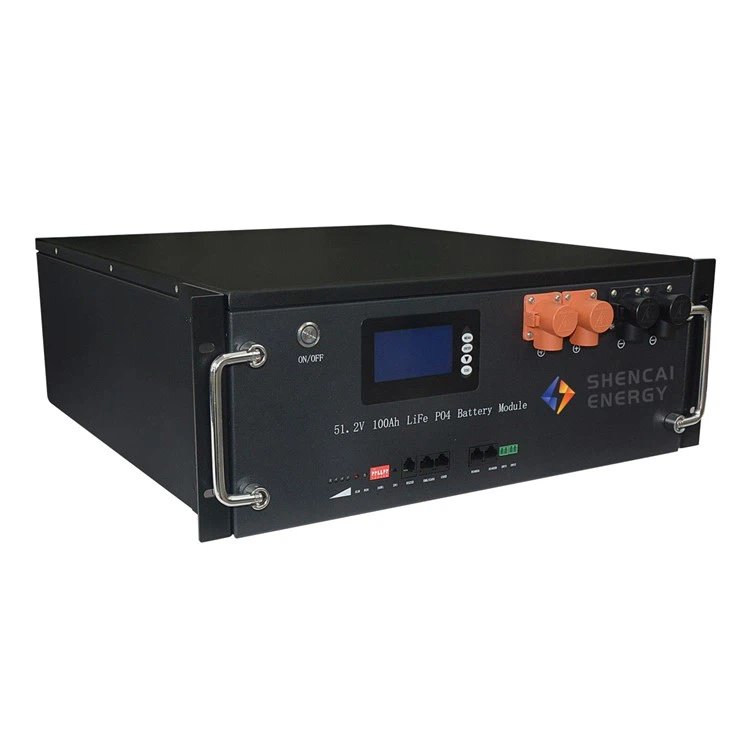
Before we dive into the details of energy management, let's first understand the basic components of a house battery storage system and how energy flows through them. A typical system consists of a battery bank, a charge controller, an inverter, and sometimes a solar panel array.
The energy flow starts with the source of electricity. This can be the grid, solar panels, or other renewable energy sources. When solar panels generate electricity during the day, the charge controller regulates the flow of energy to the battery bank, ensuring that the batteries are charged safely and efficiently. The inverter then converts the direct current (DC) stored in the batteries into alternating current (AC), which can be used to power household appliances.
During periods of low energy production, such as at night or on cloudy days, the stored energy in the batteries can be used to power the home. If the battery charge runs low, the system can draw electricity from the grid to meet the remaining energy demand. This flexibility allows homeowners to use energy when it's most convenient and cost - effective.
Key Technologies for Energy Flow Management
Battery Management System (BMS)
The Battery Management System is the brain of the house battery storage system. It monitors and manages the charging and discharging processes of the battery bank. The BMS ensures that each battery cell in the bank is charged and discharged evenly, preventing overcharging and over - discharging, which can significantly reduce the lifespan of the batteries.
For example, if one cell in a battery bank starts to charge faster than the others, the BMS will balance the charge to maintain uniformity. This not only extends the battery life but also maximizes the overall energy storage capacity of the system. Many of our LiFePO4 House Battery Storage products are equipped with advanced BMS technology to ensure optimal performance.
Inverter Technology
The inverter is another critical component for energy flow management. It not only converts DC to AC but also plays a role in synchronizing the power output with the grid. Modern inverters are designed to be highly efficient, minimizing energy losses during the conversion process.
Some inverters also support bi - directional power flow. This means that in addition to supplying power to the home, they can also feed excess energy back into the grid. This is particularly useful for homeowners with solar panels, as they can earn credits for the electricity they export to the grid. Our 10kwh Solar Home Energy Storage System Battery Lithium LiFePO4 is paired with high - quality inverters to ensure seamless energy conversion and grid interaction.
Smart Energy Management Software
Many house battery storage systems today are integrated with smart energy management software. This software allows homeowners to monitor and control their energy usage in real - time. They can view data such as battery charge levels, energy production from solar panels, and energy consumption by different appliances.
The software can also be programmed to optimize energy flow based on various factors, such as time - of - use electricity rates. For instance, it can automatically charge the batteries during off - peak hours when electricity is cheaper and use the stored energy during peak hours to reduce electricity costs. Our House Battery Storage Systems come with user - friendly smart energy management software that empowers homeowners to take control of their energy consumption.
Strategies for Energy Flow Optimization
Load Shifting
Load shifting is a common strategy used in house battery storage systems to manage energy flow. The idea is to shift the use of high - energy appliances from peak hours to off - peak hours. For example, instead of running the dishwasher or washing machine during the evening when electricity rates are high, the smart energy management system can schedule these appliances to run during the night when the batteries are fully charged or when grid electricity is cheaper.
This not only reduces electricity costs but also helps to balance the overall energy demand on the grid. By storing energy during off - peak hours and using it during peak hours, homeowners can contribute to a more stable and efficient electrical grid.
Peak Shaving
Peak shaving is another important strategy. When the energy demand in a home reaches a peak, the battery storage system can supply the additional power needed, reducing the amount of electricity drawn from the grid. This helps to avoid high - cost peak - time electricity charges and also reduces stress on the grid.
For example, during a hot summer day when air conditioners are running at full capacity, the battery system can kick in to provide the extra power, preventing the home from exceeding its peak demand limit and incurring additional charges.
Self - Consumption Optimization
For homeowners with solar panels, self - consumption optimization is a key goal. The idea is to maximize the use of the electricity generated by the solar panels within the home. The battery storage system stores the excess solar energy that is not immediately used, and then uses this stored energy later when the solar panels are not producing enough power.
This reduces the amount of electricity that needs to be purchased from the grid, increasing the overall energy independence of the home. By optimizing self - consumption, homeowners can save money on their electricity bills and reduce their carbon footprint.
Benefits of Effective Energy Flow Management
Cost Savings
One of the most significant benefits of effective energy flow management in house battery storage systems is cost savings. By using stored energy during peak hours and taking advantage of off - peak electricity rates, homeowners can significantly reduce their monthly electricity bills. Over time, the savings can be substantial, making the investment in a battery storage system well worth it.
Energy Independence
House battery storage systems also provide homeowners with a greater degree of energy independence. They are less reliant on the grid, which means they are better protected against power outages and fluctuations in electricity prices. In the event of a grid outage, the battery system can continue to power essential appliances, ensuring that the home remains functional.
Environmental Sustainability
By storing and using renewable energy more efficiently, house battery storage systems contribute to environmental sustainability. They help to reduce the demand for fossil - fuel - based electricity, which in turn reduces greenhouse gas emissions. This is an important step towards a more sustainable and greener future.
Conclusion
In conclusion, house battery storage systems are an essential part of modern residential energy management. Through advanced technologies such as the Battery Management System, inverter technology, and smart energy management software, these systems can effectively manage energy flow, optimize energy usage, and provide numerous benefits to homeowners.
If you're interested in learning more about our House Battery Storage Systems or are looking to purchase a system for your home, we encourage you to reach out to us for a detailed discussion. Our team of experts is ready to help you find the best solution to meet your energy needs and goals.
References
- "Energy Storage Systems: Principles, Modelling, and Applications" by X. Yang, X. Wang, and S. Jiang.
- "Renewable Energy Systems and Applications" by M. A. Islam and A. M. S. Islam.
- Industry reports from the Energy Storage Association.