

In the era of sustainable energy, the combination of solar panels and battery storage systems has emerged as a game - changer. As a dedicated supplier of battery storage systems, I've witnessed firsthand the transformative power of this integration and its potential to revolutionize the way we consume and manage energy. In this blog, I'll delve into how a battery storage system integrates with solar panels, exploring the technical aspects, benefits, and practical considerations.
Technical Integration Process
1. Energy Harvesting
Solar panels are the front - line soldiers in the renewable energy army. They work by converting sunlight into direct current (DC) electricity through the photovoltaic effect. This DC power, however, is not directly usable for most household appliances or the grid, which typically operate on alternating current (AC).
When solar panels are installed, they are usually connected to an inverter. The inverter's primary function is to convert the DC electricity produced by the solar panels into AC electricity. This AC power can then be used to power your home or be fed back into the grid.
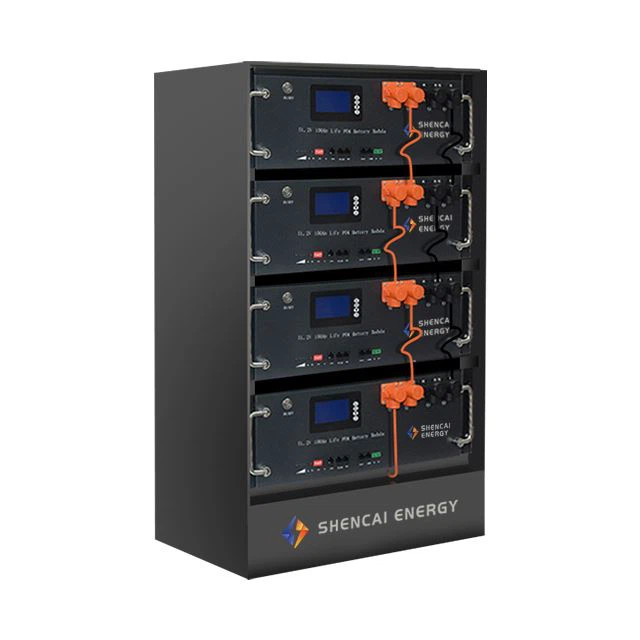
At the same time, the battery storage system comes into play. It is connected to the solar panel system either directly (in a DC - coupled system) or indirectly (in an AC - coupled system). In a DC - coupled system, the DC power from the solar panels can be sent directly to the battery for storage without the need for multiple conversions. This is a more efficient way of charging the battery as it reduces conversion losses. For example, the 5kwh Stacked Energy Storage System For Home can be easily integrated into a DC - coupled system, allowing for seamless energy storage.
In an AC - coupled system, the AC power from the inverter is first sent to the electrical panel of the house. A battery charger within the battery storage system then converts the AC power back into DC power to charge the batteries. The 51.2V Assembled Home Energy Battery is well - suited for such AC - coupled systems, providing reliable energy storage for households.
2. Charge Control
Once the power is directed to the battery storage system, charge control becomes crucial. A charge controller is used to regulate the charging process. It ensures that the battery is not over - charged, which can damage the battery cells and reduce their lifespan. The charge controller monitors the state of charge of the battery and adjusts the charging current accordingly.
Modern battery storage systems often use intelligent charge controllers that can communicate with other components of the solar panel system. For example, they can adjust the charging rate based on the amount of sunlight available. If there is a large amount of sunlight and the battery is not fully charged, the charge controller can increase the charging current to fill the battery more quickly.
3. Discharge Management
When the sun goes down or when there is insufficient sunlight to meet the energy demands of the home, the battery storage system discharges the stored energy. The inverter plays a key role here again. In a DC - coupled system, the DC power from the battery is converted into AC power by the inverter. In an AC - coupled system, the battery charger in reverse mode can send the DC power from the battery to the inverter for conversion.
The discharge process is also carefully managed to ensure that the battery is not over - discharged. Over - discharging can lead to irreversible damage to the battery cells. Advanced battery management systems (BMS) are used to monitor the state of discharge and cut off the power flow when the battery reaches a certain low - charge level.

Benefits of Integration
1. Energy Independence
One of the most significant benefits of integrating a battery storage system with solar panels is the increased energy independence. Homeowners are no longer solely reliant on the grid for their energy needs. During the day, excess solar energy can be stored in the battery, and at night or during power outages, this stored energy can be used to power the home. This provides a sense of security and reduces the vulnerability to grid failures and power price fluctuations.
2. Peak Shaving
Peak shaving is another important advantage. Electricity prices often vary throughout the day, with higher prices during peak demand periods. By storing excess solar energy during off - peak hours and using it during peak hours, homeowners can reduce their electricity bills. The battery storage system allows for a more strategic use of energy, ensuring that power is consumed when it is most cost - effective.
3. Environmental Impact
The combination of solar panels and battery storage systems significantly reduces the carbon footprint. Solar energy is a clean and renewable source of power, and by storing this energy for later use, we can further maximize its utilization. This helps in reducing the reliance on fossil - fuel - based power generation, which is a major contributor to greenhouse gas emissions.
Practical Considerations
1. System Sizing
Proper system sizing is essential for the effective integration of solar panels and battery storage systems. The size of the solar panel array should be determined based on the energy consumption of the home, the available sunlight in the area, and the desired level of energy independence. Similarly, the capacity of the battery storage system should be chosen to meet the energy storage needs during periods of low sunlight or power outages.
2. Compatibility
All components of the system, including the solar panels, inverter, charge controller, and battery storage system, need to be compatible with each other. Different batteries have different charging and discharging requirements, and the inverter and charge controller should be able to work in harmony with the battery. For example, lithium - ion batteries have different characteristics compared to lead - acid batteries, and the system should be designed accordingly.
3. Maintenance
Regular maintenance is necessary to ensure the long - term performance of the integrated system. The solar panels need to be kept clean to maximize their efficiency, and the battery storage system should be inspected periodically for any signs of damage or degradation.
Conclusion
The integration of a battery storage system with solar panels is a complex but highly rewarding process. It offers numerous benefits in terms of energy independence, cost savings, and environmental protection. As a supplier of battery storage systems, I am committed to providing high - quality products that can seamlessly integrate with solar panel systems. Whether you are looking for a 5kwh Stacked Energy Storage System For Home or a 51.2V Assembled Home Energy Battery, we have the right solution for you.
If you are interested in exploring how our battery storage systems can integrate with your solar panel setup, we invite you to contact us for a detailed discussion. Our team of experts will be happy to assist you in finding the best solution for your energy needs.
References
- "Solar Power Systems: Design and Installation Guide" by Paul Gipe
- "Battery Technology Handbook" by Thomas H. Epps III