

As a supplier of House Intelligent Power Storage systems, I've witnessed firsthand the transformative impact these technologies have on modern households. In this blog, I'll delve into the intricate process of how house intelligent power storage manages power flow between different devices, shedding light on the technical mechanisms and practical benefits.
Understanding the Basics of House Intelligent Power Storage
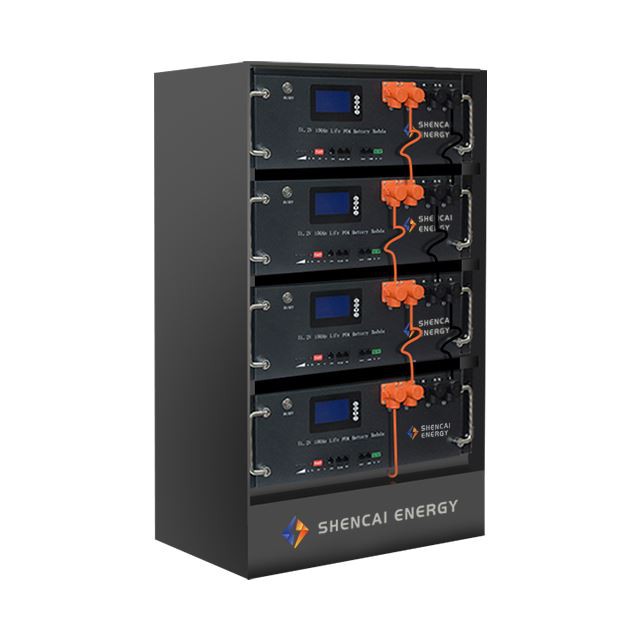
House intelligent power storage systems are designed to store electrical energy for later use. They typically consist of a battery pack, a charge controller, an inverter, and a management system. The battery pack is the heart of the system, storing energy in chemical form. The charge controller regulates the charging process to ensure the battery is charged safely and efficiently. The inverter converts the stored DC (direct current) energy into AC (alternating current), which is used by most household appliances. The management system oversees the entire operation, monitoring the battery's state of charge, temperature, and other parameters.
Power Flow Management in Different Scenarios
Grid - Connected Mode
In a grid - connected scenario, the house intelligent power storage system can interact with the utility grid in several ways. During off - peak hours, when electricity rates are low, the system can draw power from the grid to charge the battery. For example, in many regions, electricity rates are significantly lower at night. The intelligent management system will detect this price difference and automatically initiate the charging process.
When the battery is fully charged, and the electricity demand in the house is low, the system can even sell excess energy back to the grid. This is known as net metering. The management system monitors the power consumption of various devices in the house and the state of the grid. If the power generation from the grid is sufficient and the battery is full, it will switch the power flow to the grid, allowing the homeowner to earn credits on their electricity bill.
Off - Grid Mode
In an off - grid situation, such as in a remote cabin or during a power outage, the house intelligent power storage system becomes the primary power source. The management system prioritizes power distribution based on the criticality of the devices. For instance, essential devices like refrigerators, medical equipment, and lighting will receive power first.
The system continuously monitors the battery's state of charge. As the battery discharges, it will adjust the power supply to non - essential devices. If the battery level drops below a certain threshold, it may even shut down non - critical devices to ensure that there is enough power for the most important ones. This intelligent power flow management ensures that the limited stored energy is used effectively and that the homeowner can maintain a basic level of comfort and safety.
Solar - Integrated Mode
Many house intelligent power storage systems are integrated with solar panels. During the day, when the sun is shining, the solar panels generate electricity. The charge controller in the storage system will first direct this solar - generated power to charge the battery. If the battery is already fully charged, the excess solar power can be used to power the household devices directly.

The management system also takes into account the weather forecast. If it predicts cloudy days ahead, it will try to store as much solar energy as possible in the battery to ensure a continuous power supply. This way, the system can make the most of the renewable energy source and reduce the reliance on the grid.
Compatibility with Different Devices
One of the key challenges in power flow management is ensuring compatibility with a wide range of household devices. Different devices have different power requirements, such as voltage, current, and power factor. The inverter in the house intelligent power storage system is designed to provide a stable and clean AC power output that meets the standards of most household appliances.
For high - power devices like air conditioners and electric heaters, the management system will assess the available power in the battery and the overall power demand of the house. It will then decide whether to supply power to these devices or wait until the battery has enough capacity. This prevents overloading the system and ensures the safe operation of all devices.
The Role of Advanced Technologies
Modern house intelligent power storage systems are equipped with advanced technologies such as artificial intelligence and machine learning. These technologies enable the system to learn the power consumption patterns of the household over time. For example, it can identify which devices are used at what times of the day and adjust the power flow accordingly.
Smart meters are also an important part of the system. They provide real - time data on power consumption, allowing the management system to make more informed decisions. With the help of these technologies, the power flow management becomes more efficient and responsive to the actual needs of the household.
Our Product Offerings
As a House Intelligent Power Storage supplier, we offer a range of high - quality products. Our House UPS Power Supply provides reliable backup power during outages, ensuring that your essential devices stay running. The 10kwh Solar Home Energy Storage System Battery Lithium LiFePO4 is an excellent choice for households looking to integrate solar energy and store it for later use. And our Wholesale Rack Mounted 48V 100AH 200AH Lifepo4 Solar Battery Pack offers a scalable solution for larger power storage needs.
Contact Us for Procurement
If you're interested in upgrading your home's power storage capabilities or have any questions about our products, we encourage you to reach out. Our team of experts is ready to assist you in finding the right solution for your specific requirements. Whether you're a homeowner, a contractor, or a distributor, we can provide you with detailed product information, pricing, and technical support.
References
- "Energy Storage for Sustainable Microgrids" by Mehdi Ferdowsi and Srdjan Lukic
- "Smart Grid: Fundamentals of Design and Analysis" by Ali Keyhani