

When it comes to the world of portable power solutions, LiFePO4 (Lithium Iron Phosphate) portable power stations have emerged as a reliable and efficient choice for a wide range of applications. As a supplier of LiFePO4 Portable Power Stations, I often get asked the question: "How long does a LiFePO4 portable power station last?" In this blog post, I'll delve into the factors that influence the lifespan of these power stations and provide you with a comprehensive understanding of their durability.
Understanding LiFePO4 Technology
Before we discuss the lifespan of LiFePO4 portable power stations, it's important to understand the technology behind them. LiFePO4 is a type of lithium-ion battery known for its high energy density, long cycle life, and enhanced safety features compared to other lithium-ion chemistries. These batteries are less prone to thermal runaway and have a lower risk of overheating or catching fire, making them a popular choice for portable power applications.
Factors Affecting the Lifespan of LiFePO4 Portable Power Stations
The lifespan of a LiFePO4 portable power station can be influenced by several factors, including:
1. Battery Chemistry and Quality
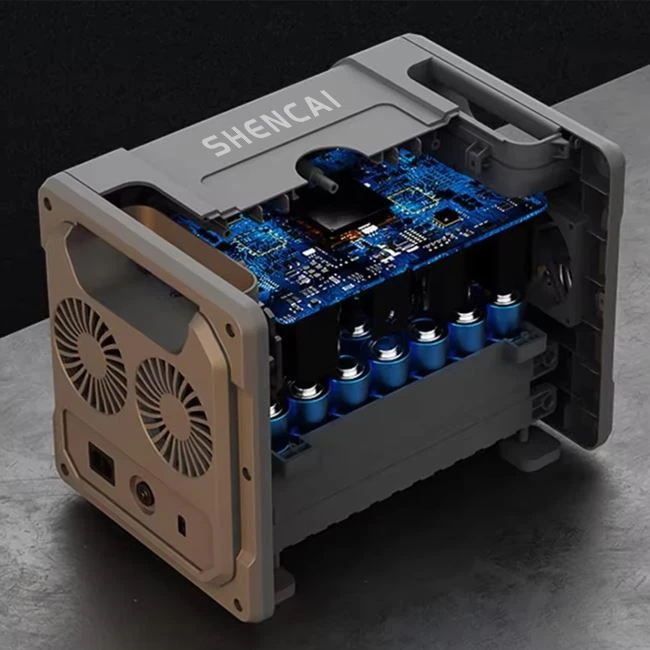
The quality of the LiFePO4 battery cells used in the power station plays a crucial role in determining its lifespan. High-quality battery cells are typically manufactured using advanced processes and materials, which can result in a longer cycle life and better overall performance. When choosing a LiFePO4 portable power station, it's important to look for products that use reputable battery cells from reliable manufacturers.
2. Depth of Discharge (DoD)
The depth of discharge refers to the percentage of the battery's capacity that is used during each charge-discharge cycle. Generally, the shallower the depth of discharge, the longer the battery's lifespan. For example, a battery that is discharged to 20% of its capacity (80% DoD) will have a shorter lifespan compared to a battery that is discharged to only 50% of its capacity (50% DoD). To maximize the lifespan of your LiFePO4 portable power station, it's recommended to avoid deep discharges whenever possible.
3. Charge and Discharge Rates
The charge and discharge rates of the power station can also affect the battery's lifespan. High charge and discharge rates can generate more heat, which can accelerate the degradation of the battery cells. It's important to use a charger that is compatible with the power station and to avoid charging or discharging the battery at rates that are higher than the manufacturer's recommendations.
4. Operating Temperature
The operating temperature of the LiFePO4 portable power station can have a significant impact on its lifespan. Extreme temperatures, both hot and cold, can reduce the battery's capacity and shorten its cycle life. It's best to operate the power station within the temperature range specified by the manufacturer, which is typically between 0°C and 45°C (32°F and 113°F).
5. Storage Conditions
Proper storage is essential for maintaining the lifespan of the LiFePO4 battery. If the power station is not going to be used for an extended period, it should be stored in a cool, dry place with a charge level between 30% and 50%. Storing the battery at a full charge or in a discharged state for a long time can cause irreversible damage to the battery cells.
Typical Lifespan of LiFePO4 Portable Power Stations
Under normal operating conditions and with proper maintenance, a LiFePO4 portable power station can last for several years. Most high-quality LiFePO4 batteries are rated for 2000 - 5000 charge-discharge cycles, which means they can be fully charged and discharged 2000 to 5000 times before their capacity drops to 80% of the original capacity.
Assuming an average of one charge-discharge cycle per day, a LiFePO4 portable power station with a 2000-cycle rating could last for approximately 5 - 7 years, while a power station with a 5000-cycle rating could last for up to 14 years. However, it's important to note that these are just estimates, and the actual lifespan of the power station can vary depending on the factors mentioned above.
Real - World Examples
Let's take a look at some of our popular LiFePO4 portable power stations and how their lifespan might play out in real - world scenarios.
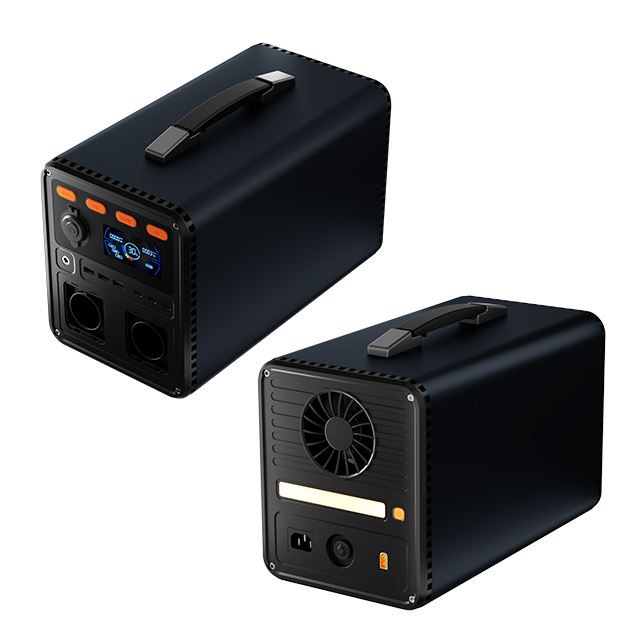
The Outdoor small size high capacity 1500W Lifepo4 Lithium Cell Camping Solar Generator Portable Power Station is designed for outdoor enthusiasts who need a reliable power source for camping, hiking, and other outdoor activities. With proper use and maintenance, this power station can provide years of service. If used moderately, with a depth of discharge of around 50% and charged at a reasonable rate, it can easily reach its rated number of charge - discharge cycles.
The Hot Sale1008wh Home Outdoor Solar Power Bank is suitable for both home use during power outages and outdoor adventures. This power bank, when used in a home environment where the temperature is relatively stable and the charge - discharge cycles are not overly aggressive, can also have a long lifespan.
The Portable Power Station With Solar Panel is a great option for those who want to harness solar energy to charge their power station. By using solar power, the charge rate can be more controlled, which is beneficial for the battery's lifespan. Additionally, the solar panel can help maintain the battery's charge level during storage, further extending its lifespan.
Maximizing the Lifespan of Your LiFePO4 Portable Power Station
To get the most out of your LiFePO4 portable power station and ensure a long lifespan, here are some tips:
- Follow the Manufacturer's Instructions: Always read and follow the user manual provided by the manufacturer. This includes guidelines for charging, discharging, and storing the power station.
- Use a Compatible Charger: Use a charger that is specifically designed for LiFePO4 batteries and is compatible with your power station. Avoid using chargers that are not recommended, as they can cause damage to the battery.
- Avoid Extreme Temperatures: Keep the power station away from direct sunlight and extreme heat or cold. If possible, use the power station in a shaded area or indoors.
- Regularly Check the Battery's Health: Some power stations come with built - in battery management systems that can provide information about the battery's health. Regularly check this information to monitor the battery's condition.
Conclusion
In conclusion, the lifespan of a LiFePO4 portable power station can vary depending on several factors, but with proper care and maintenance, these power stations can provide reliable power for many years. As a supplier of LiFePO4 Portable Power Stations, we are committed to providing high - quality products that are designed to last. If you're in the market for a LiFePO4 portable power station, we invite you to explore our range of products and contact us for more information or to discuss your specific power needs. Whether you're an outdoor enthusiast, a homeowner looking for a backup power solution, or a business in need of portable power, we have the right product for you.
References
- Battery University: A comprehensive resource for battery knowledge, including information on LiFePO4 batteries and their lifespan.
- Industry reports on lithium - ion battery technology and portable power solutions.