

The battery storage system has become an essential component in various applications, from residential energy management to large - scale grid support. As a leading supplier of battery storage systems, I often encounter questions about the charging and discharging cycles of these systems. Understanding these cycles is crucial for anyone looking to invest in or use a battery storage system, as it directly impacts the system's performance, lifespan, and overall cost - effectiveness.
What is a Charging and Discharging Cycle?
A charging and discharging cycle of a battery storage system refers to the process of charging the battery from a lower state of charge (SOC) to a higher SOC and then discharging it back to a lower SOC. In simpler terms, when you use an external power source, such as solar panels or the grid, to store energy in the battery, it is the charging phase. Conversely, when the stored energy in the battery is released to power appliances, devices, or feed back into the grid, it is the discharging phase.
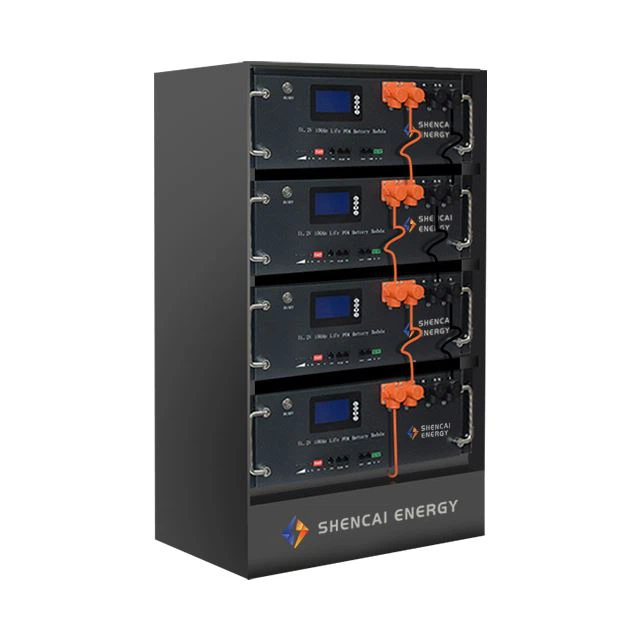
One complete cycle is counted when the battery goes from fully charged to fully discharged and then back to fully charged again. However, in real - world applications, batteries rarely go through a full 0 - 100% charge - discharge cycle. Partial cycles, where the battery only charges or discharges a fraction of its total capacity, are much more common.
Factors Affecting Charging and Discharging Cycles
Battery Chemistry
Different battery chemistries have different cycle life characteristics. For example, lithium - ion batteries, which are widely used in modern battery storage systems, generally have a higher number of charge - discharge cycles compared to lead - acid batteries. Lithium - ion batteries can typically withstand several thousand cycles, while lead - acid batteries may only last a few hundred to a couple of thousand cycles, depending on the type and usage conditions.
Depth of Discharge (DoD)
The depth of discharge is the percentage of the battery's capacity that is discharged during a cycle. A shallow DoD, where only a small portion of the battery's capacity is used, can significantly extend the battery's cycle life. For instance, if a battery is only discharged to 20% DoD instead of 80% DoD, it can endure many more cycles. As a supplier, we often recommend our customers to operate their battery storage systems with a relatively low DoD to maximize the lifespan of the batteries.
Charging Rate
The rate at which a battery is charged also affects its cycle life. Fast charging can generate more heat and cause more stress on the battery cells, potentially reducing the number of charge - discharge cycles. On the other hand, slow and controlled charging is generally gentler on the battery and can help maintain its performance over a longer period. Our 5kwh Stacked Energy Storage System For Home is designed to support various charging rates, allowing users to choose the most suitable option based on their needs.
Operating Temperature
Battery performance and cycle life are highly sensitive to temperature. Extreme temperatures, both hot and cold, can accelerate battery degradation. High temperatures can increase the rate of chemical reactions inside the battery, leading to faster capacity loss. Cold temperatures, on the other hand, can reduce the battery's efficiency and make it more difficult to charge and discharge. It is important to install battery storage systems in a well - ventilated and temperature - controlled environment to optimize their cycle life.
Measuring and Monitoring Charging and Discharging Cycles
To ensure the optimal performance and longevity of a battery storage system, it is essential to measure and monitor the charging and discharging cycles. Most modern battery management systems (BMS) are equipped with sensors and algorithms that can track the number of cycles, the depth of discharge, and the state of charge of the battery.
The BMS also plays a crucial role in protecting the battery from overcharging, over - discharging, and overheating. It can adjust the charging and discharging processes based on the battery's condition, ensuring that the battery operates within its safe and optimal range. Our 51.2V Assembled Home Energy Battery comes with a sophisticated BMS that provides real - time monitoring and control of the charging and discharging cycles.
Impact of Charging and Discharging Cycles on Battery Performance and Lifespan
As the number of charging and discharging cycles increases, the battery's performance gradually degrades. The most noticeable change is the reduction in the battery's capacity. Over time, the battery can no longer store as much energy as it did when it was new. This capacity loss is a natural consequence of the chemical reactions and physical changes that occur inside the battery during each cycle.
In addition to capacity loss, the battery's internal resistance may also increase with the number of cycles. Higher internal resistance means that more energy is wasted as heat during charging and discharging, reducing the overall efficiency of the battery storage system. Eventually, when the battery's capacity drops below a certain level or its performance becomes unacceptable, it needs to be replaced.
Strategies to Extend Charging and Discharging Cycles
Optimize the Operating Conditions
As mentioned earlier, maintaining a suitable operating temperature and a low depth of discharge can significantly extend the battery's cycle life. Additionally, using a high - quality charger and following the manufacturer's recommended charging and discharging procedures can also help reduce battery stress.
Battery Maintenance
Regular battery maintenance, such as checking the battery's state of charge, voltage, and temperature, can help detect potential problems early. If any issues are found, they can be addressed promptly to prevent further damage to the battery.
System Design
Proper system design is also crucial for extending the charging and discharging cycles. For example, sizing the battery storage system correctly based on the actual energy needs can prevent over - cycling. A well - designed system can also balance the load across multiple battery cells, ensuring that each cell is used evenly.
Importance of Understanding Charging and Discharging Cycles for Customers
For customers, understanding the charging and discharging cycles of a battery storage system is essential for making informed decisions. When choosing a battery storage system, customers should consider the expected cycle life of the battery, as this directly affects the long - term cost and performance of the system. A battery with a higher number of cycles may have a higher upfront cost but can save money in the long run by reducing the frequency of battery replacements.
Moreover, by understanding how to optimize the charging and discharging cycles, customers can maximize the efficiency and lifespan of their battery storage systems. This not only helps to reduce energy costs but also contributes to a more sustainable and reliable energy supply.
Conclusion
As a supplier of battery storage systems, we are committed to providing our customers with high - quality products and in - depth knowledge about battery technology. The charging and discharging cycles of a battery storage system are a critical factor that affects its performance, lifespan, and cost - effectiveness. By understanding the factors that influence these cycles, measuring and monitoring them effectively, and implementing strategies to extend them, customers can get the most out of their battery storage systems.
If you are interested in learning more about our battery storage systems or have any questions regarding charging and discharging cycles, we invite you to contact us for a detailed discussion and to explore potential procurement opportunities. Our team of experts is ready to assist you in finding the best battery storage solution for your specific needs.

References
- Linden, D., & Reddy, T. B. (2002). Handbook of Batteries. McGraw - Hill.
- Dunn, B., Kamath, H., & Tarascon, J. M. (2011). Electrical energy storage for the grid: A battery of choices. Science, 334(6058), 928 - 935.
- Chen, Z., Cong, T. N., Yang, W., Tan, C., & Li, Y. (2009). Progress in electrical energy storage system: A critical review. Progress in Natural Science, 19(3), 291 - 312.