

Hey there! As a supplier of battery storage systems, I'm super stoked to chat with you about the data logging features of these amazing systems. In today's world, where energy management is becoming more and more crucial, having a good understanding of how your battery storage system is performing is key. And that's where data logging comes in.
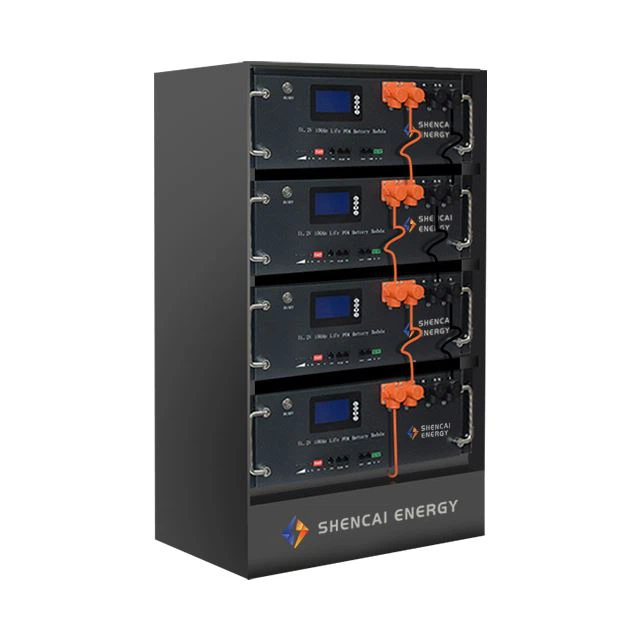

First off, let's talk about what data logging actually is. In simple terms, it's the process of collecting and recording data over time. For a battery storage system, this means keeping track of all sorts of information like battery voltage, current, temperature, state of charge (SOC), and more. This data is then stored and can be analyzed to get a better picture of how the system is operating.
One of the most important data logging features is the ability to monitor the battery's state of charge. The SOC tells you how much energy is currently stored in the battery. It's like the fuel gauge in your car, but for your battery. By constantly monitoring the SOC, you can make sure that your battery is neither overcharged nor undercharged. Overcharging can damage the battery and reduce its lifespan, while undercharging can lead to poor performance. With accurate SOC data, you can optimize the charging and discharging cycles of your battery, which in turn can extend its life and improve its efficiency.
Another crucial aspect is voltage monitoring. The voltage of a battery can tell you a lot about its health and performance. A sudden drop in voltage might indicate a problem with the battery, such as a cell failure or a short circuit. On the other hand, a consistently high voltage could mean that the charging system is overworking. By logging the voltage data, you can detect these issues early on and take appropriate action. This could save you from costly repairs or even battery replacement down the line.
Current monitoring is also essential. It shows how much electricity is flowing in and out of the battery. This information is useful for understanding the power consumption patterns of your home or business. For example, if you notice a sudden spike in current, it could mean that there's an appliance or device that's using more power than usual. By analyzing the current data, you can identify energy-hungry devices and find ways to reduce their consumption.
Temperature is yet another important factor to monitor. Batteries operate best within a certain temperature range. If the temperature gets too high, it can cause the battery to degrade faster and even pose a safety risk. Conversely, extremely low temperatures can reduce the battery's capacity and performance. Data logging allows you to keep an eye on the battery's temperature and take steps to maintain it within the optimal range. This could involve installing a cooling or heating system, depending on the environment.
Now, let's talk about how all this data is collected and stored. Most modern battery storage systems come with built-in data loggers. These are small devices that are connected to the battery and various sensors. The sensors measure the different parameters like voltage, current, temperature, etc., and send the data to the data logger. The data logger then stores this information in its memory.
Some data loggers also have the ability to transmit the data wirelessly to a cloud-based server. This is really convenient because it allows you to access the data from anywhere, at any time, using a smartphone, tablet, or computer. You can view real-time data, historical trends, and generate reports. This remote access feature is especially useful for system owners who want to keep an eye on their battery storage system while they're away from home or the office.
In addition to the basic data logging features, some battery storage systems offer more advanced analytics. For example, they can use machine learning algorithms to predict the battery's future performance based on the historical data. This can help you plan for maintenance and replacement, and make more informed decisions about your energy usage.
At our company, we offer a range of battery storage systems with top-notch data logging features. Take a look at our 51.2V Assembled Home Energy Battery. It's designed to provide reliable energy storage for your home, and its advanced data logging capabilities allow you to monitor every aspect of its performance. We also have the 5kwh Stacked Energy Storage System For Home, which is perfect for those who need a bit more energy storage capacity.
If you're interested in learning more about our battery storage systems and their data logging features, or if you're thinking about making a purchase, we'd love to hear from you. Whether you're a homeowner looking to reduce your energy bills or a business owner wanting to improve your energy management, our team of experts can help you find the right solution for your needs. Reach out to us, and let's start a conversation about how our battery storage systems can benefit you.
In conclusion, data logging is an essential feature of any modern battery storage system. It provides valuable insights into the battery's performance, health, and usage patterns. By monitoring and analyzing this data, you can optimize the operation of your battery, extend its lifespan, and save money on energy costs. So, if you're in the market for a battery storage system, make sure to choose one with robust data logging capabilities.
References
- Smith, J. (2020). Energy Storage Systems: A Comprehensive Guide. Publisher Name.
- Johnson, A. (2019). Battery Technology and Applications. Academic Press.