

Hey there! As a supplier of Battery Storage Systems, I've been getting a lot of questions lately about the explosion risks associated with these systems. So, I thought I'd take a deep dive into this topic and share some insights.
First off, let's understand what battery storage systems are. In simple terms, they're devices that store electrical energy for later use. They're super handy, especially for homes and businesses looking to manage their energy consumption better or rely more on renewable energy sources. For instance, our 5kwh Stacked Energy Storage System For Home is a great option for households aiming to cut down on their electricity bills and reduce their carbon footprint.
Now, onto the elephant in the room - explosion risks. Batteries, especially lithium - ion ones which are commonly used in storage systems, can pose some risks under certain conditions. One of the main culprits is thermal runaway. This is a chain - reaction process where the battery overheats. Once it starts, the heat generated causes the battery to heat up even more, and this can lead to a rapid increase in temperature. If things get out of control, the battery can rupture, release flammable gases, and in the worst - case scenario, explode.
Another factor is overcharging. When a battery is overcharged, it forces too much current into the battery cells. This can cause the electrodes to break down, generate excess heat, and again, trigger thermal runaway. It's like trying to pour too much water into a glass; eventually, it's going to spill over and cause a mess.
Physical damage is also a big concern. If a battery is dropped, punctured, or crushed, it can damage the internal components. A damaged separator (a part that keeps the positive and negative electrodes apart) can cause a short - circuit. And as we all know, short - circuits can lead to sudden and intense heat generation, increasing the risk of an explosion.
So, how do we, as a supplier, address these risks? Well, we take a multi - pronged approach. First of all, we use high - quality components in our battery storage systems. For example, our 51.2V Assembled Home Energy Battery is built with top - notch battery cells that have been rigorously tested for safety and performance. We also incorporate advanced battery management systems (BMS). These systems act like the brain of the battery. They monitor the battery's state of charge, temperature, and voltage. If they detect any abnormal conditions, they can take corrective actions, like cutting off the charging current or activating cooling mechanisms.
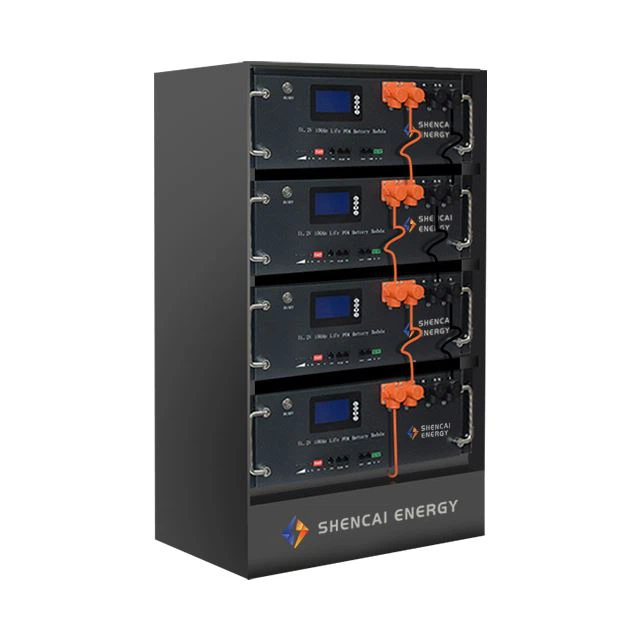

In addition to that, we follow strict manufacturing processes. Every battery storage system goes through a series of quality checks and safety tests before it leaves our factory. We make sure that all the electrical connections are secure, the enclosures are well - designed to protect the batteries from physical damage, and the ventilation systems are in place to prevent the build - up of flammable gases.
We also provide detailed installation and usage instructions to our customers. It's crucial that the systems are installed correctly and used as per the guidelines. For instance, we recommend installing the battery storage systems in well - ventilated areas, away from heat sources and flammable materials. And of course, we stress the importance of using the right chargers and following the charging schedules.
But it's not just about us as a supplier. Customers also play a vital role in ensuring the safety of these systems. They need to be aware of the potential risks and take precautions. Regular inspections are a must. They should look for any signs of damage, like cracks in the battery casing or strange odors. If they notice anything suspicious, they should contact us immediately.
Another thing customers can do is to keep their battery storage systems updated. Just like our smartphones and computers, these systems can benefit from software updates. These updates can improve the performance of the BMS and enhance the overall safety features.
It's also a good idea for customers to have a fire - safety plan in place. This could include having a fire extinguisher nearby and knowing how to use it. And in case of an emergency, they should know who to call.
Now, I know all this talk about explosion risks might seem a bit scary, but it's important to put things into perspective. The chances of a battery storage system exploding are relatively low, especially when proper safety measures are in place. These systems have come a long way in terms of safety, and the benefits they offer far outweigh the risks.
They can help you save money on your energy bills, reduce your reliance on the grid, and contribute to a more sustainable future. Whether you're a homeowner looking to power your lights during a blackout or a business owner aiming to optimize your energy usage, our battery storage systems are a great solution.
If you're interested in learning more about our products or have any questions about the safety of battery storage systems, we'd love to hear from you. We're here to help you make an informed decision and ensure that you get the most out of your investment. Don't hesitate to reach out to us for a detailed discussion and a quote.
In conclusion, while there are explosion risks associated with battery storage systems, with the right design, manufacturing processes, and user practices, these risks can be effectively managed. At our company, we're committed to providing you with safe and reliable battery storage solutions.
References
- "Battery Safety: Understanding the Risks and Mitigations." Journal of Energy Storage.
- "Thermal Runaway in Lithium - Ion Batteries: Causes and Prevention." International Journal of Battery Technology.
- "Best Practices for the Safe Use of Battery Storage Systems." Energy Safety Association Report.