

Hey there! As a supplier of House Battery Storage Systems, I've been getting lots of questions about the installation requirements for these systems. So, I thought I'd put together this blog to break it all down for you.
Location, Location, Location
First off, the location where you install your house battery storage system is super important. You've got to pick a spot that's well - ventilated. Batteries generate heat when they're charging and discharging, and if they're in a stuffy, poorly - ventilated area, it can cause all sorts of problems. Overheating can reduce the battery's lifespan and even pose a safety risk.
A good option is an outdoor shed or a garage with proper air circulation. Just make sure it's protected from extreme weather conditions. If you're thinking about an indoor installation, a basement or a utility room can work, but again, ventilation is key. You might need to install fans or vents to keep the air moving.
Electrical Requirements
The electrical setup for your house battery storage system is another crucial aspect. You need to have a proper electrical connection that can handle the power requirements of the battery. Most systems require a dedicated circuit breaker. This helps to protect your home's electrical system and the battery itself from overloading.
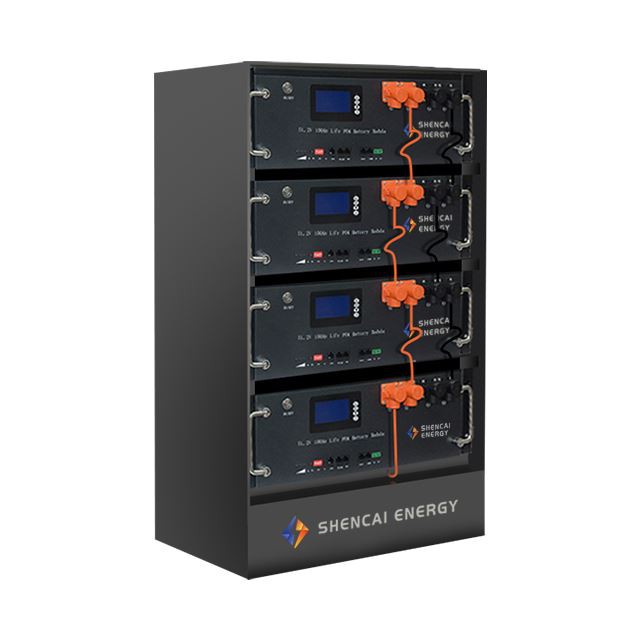
You'll also need to make sure that the voltage and current ratings of your home's electrical system are compatible with the battery. For example, if you're using a Wholesale Rack Mounted 48V 100AH 200AH Lifepo4 Solar Battery Pack, you've got to ensure that your electrical system can support that 48V input.
It's always a good idea to have a professional electrician take a look at your home's electrical system before the installation. They can help you figure out if any upgrades are needed and make sure everything is up to code.
Structural Support
Batteries can be pretty heavy, especially larger ones. So, you need to make sure that the surface where you're installing the battery has enough structural support. If you're mounting the battery on a wall, the wall should be strong enough to hold the weight. The same goes for floor - mounted batteries.
For instance, if you're installing a 10kwh Solar Home Energy Storage System Battery Lithium LiFePO4, it's going to have a significant weight. You might need to reinforce the floor or use a sturdy rack specifically designed for battery storage.

Temperature Control
Temperature plays a huge role in the performance and lifespan of your battery. Most house battery storage systems work best within a certain temperature range. Extreme cold can slow down the chemical reactions in the battery, reducing its capacity. On the other hand, extreme heat can cause the battery to degrade faster.
If you're in an area with very hot or cold temperatures, you might need to consider adding a temperature control system. This could be something as simple as insulation or a more complex climate - control setup. For example, some high - end battery systems come with built - in temperature sensors and cooling or heating mechanisms to keep the battery at an optimal temperature.
Safety Considerations
Safety should always be a top priority when installing a house battery storage system. You need to have proper safety features in place, such as fire - suppression systems and emergency shut - off switches.
Batteries can be a fire hazard if they overheat or short - circuit. So, it's important to install the battery in an area where it's away from flammable materials. You might also want to consider installing a fire extinguisher nearby, just in case.
The emergency shut - off switch is crucial. It allows you to quickly cut off the power to the battery in case of an emergency. Make sure everyone in your household knows where this switch is and how to use it.
Maintenance Access
When you're planning the installation, think about how easy it will be to maintain the battery. You'll need to access the battery for things like checking the electrolyte levels (if it's a lead - acid battery), cleaning the terminals, and performing regular inspections.
Leave enough space around the battery so that you can move freely and reach all the components. This will make the maintenance process much easier and less time - consuming.
Compatibility with Existing Systems
If you already have a solar panel system or other renewable energy sources in your home, you need to make sure that the house battery storage system is compatible. The battery should be able to store the energy generated by these sources efficiently.
For example, if you have a solar panel system, the battery should be able to charge from the solar panels and then discharge the stored energy when needed. Some systems come with built - in charge controllers that help manage the charging and discharging process to ensure compatibility.
Permits and Regulations
Before you start the installation, you need to check with your local authorities about any permits or regulations. Different areas have different rules regarding the installation of house battery storage systems.
You might need to obtain a building permit, especially if you're making significant modifications to your home's electrical or structural systems. Failing to comply with these regulations can result in fines or even having to remove the system.
Installation Process
Once you've taken care of all the requirements, it's time for the actual installation. While some people with electrical skills might be able to do it themselves, I'd highly recommend hiring a professional installer. They have the experience and knowledge to ensure that the installation is done correctly and safely.
The installer will start by preparing the installation site. This includes making sure the location is clean, the structural support is in place, and the electrical connections are ready. Then, they'll carefully install the battery, connect it to the electrical system, and test it to make sure everything is working properly.
Conclusion
Installing a house battery storage system is a big decision, but if you follow these installation requirements, you can ensure that your system works efficiently and safely for years to come. Whether you're looking for a Wholesale Rack Mounted 48V 100AH 200AH Lifepo4 Solar Battery Pack, a 10kwh Solar Home Energy Storage System Battery Lithium LiFePO4, or any other Household Battery Storage, we've got you covered.
If you're interested in purchasing a house battery storage system or have any questions about the installation process, don't hesitate to reach out. We're here to help you make the right choice and ensure a smooth installation.
References
- National Electrical Code (NEC)
- Local building and safety regulations
- Manufacturer's installation guides for house battery storage systems