

As a supplier of Battery Energy Storage Systems (BESS), I often get asked about the maintenance costs associated with these systems. Understanding these costs is crucial for anyone considering investing in a BESS, whether it's for residential, commercial, or industrial use. In this blog, I'll break down the various components that contribute to the maintenance costs of a BESS and provide insights to help you make an informed decision.
1. Battery Degradation and Replacement
The heart of any BESS is its battery. Over time, batteries degrade due to factors such as charge - discharge cycles, temperature, and state of charge. This degradation reduces the battery's capacity and performance.
- Capacity Fade: As the battery loses capacity, the overall energy storage capability of the system decreases. To maintain the desired level of performance, you may need to replace the battery cells or modules. The frequency of replacement depends on the type of battery, usage patterns, and environmental conditions. For example, lithium - ion batteries, which are commonly used in BESS, typically have a lifespan of 10 - 15 years under normal operating conditions. However, if the system is frequently charged and discharged at high rates or exposed to extreme temperatures, the lifespan can be significantly reduced.
- Replacement Costs: Battery replacement is one of the most significant maintenance costs. The cost of a new battery pack can vary widely depending on its capacity, chemistry, and brand. For a Battery Storage System Station, which is designed for large - scale energy storage, the replacement cost can run into hundreds of thousands of dollars. On the other hand, a smaller Energy Storage System LiFePO4 Container used in a residential or small - commercial setting may cost several thousand dollars.
2. Monitoring and Diagnostic Systems
To ensure the optimal performance and safety of a BESS, continuous monitoring and diagnostic systems are essential.
- Hardware and Software: These systems consist of sensors, controllers, and software that monitor various parameters such as battery voltage, temperature, state of charge, and state of health. The hardware needs to be regularly maintained to ensure accurate data collection. Sensors may need to be calibrated periodically, and any faulty components should be replaced promptly. The software also requires updates to improve functionality, security, and compatibility with other system components.
- Remote Monitoring Services: Many BESS suppliers offer remote monitoring services, which allow them to track the system's performance in real - time and detect potential issues before they become major problems. These services typically come with a subscription fee, which can add to the maintenance costs. However, the benefits of early problem detection and proactive maintenance can outweigh the cost by preventing costly breakdowns and extending the system's lifespan.
3. Thermal Management
Proper thermal management is critical for the performance and longevity of a BESS. Batteries generate heat during charging and discharging, and if this heat is not dissipated effectively, it can lead to accelerated degradation and even safety hazards.
- Cooling Systems: Most BESS use cooling systems such as air - cooling or liquid - cooling to maintain the battery temperature within the optimal range. These cooling systems require regular maintenance, including filter replacement, fan or pump inspection, and refrigerant level checks (for liquid - cooling systems). A malfunctioning cooling system can cause the battery temperature to rise, leading to reduced performance and increased maintenance costs in the long run.
- Insulation and Ventilation: In addition to cooling systems, proper insulation and ventilation are also important. Insulation helps to prevent heat transfer between the battery and the surrounding environment, while ventilation ensures the removal of hot air. Regular inspections should be carried out to check for any damage to the insulation or blockages in the ventilation pathways.
4. Electrical Components
A BESS consists of various electrical components, including inverters, converters, and switches. These components are subject to wear and tear over time.
- Inverter Maintenance: Inverters are responsible for converting the DC power stored in the battery to AC power for use in the electrical grid or on - site loads. They are one of the most critical and complex components in a BESS. Inverter maintenance includes regular inspections of the electrical connections, cooling fans, and power modules. Over time, the inverter's efficiency may decrease, and it may require replacement or refurbishment.
- Other Electrical Components: Converters, switches, and circuit breakers also need to be maintained. These components can experience electrical arcing, overheating, or mechanical failure. Regular testing and inspection can help identify and address these issues before they cause system failures.
5. Safety Systems
Safety is of utmost importance in a BESS. Safety systems are installed to prevent overcharging, over - discharging, short - circuits, and thermal runaway.
- Battery Management System (BMS): The BMS is a key safety component that monitors and controls the charging and discharging of the battery. It ensures that the battery operates within safe limits and protects it from damage. The BMS needs to be regularly maintained to ensure its proper functioning. Any software glitches or hardware malfunctions in the BMS can compromise the safety of the entire system.
- Fire Suppression Systems: In case of a thermal runaway or fire, fire suppression systems are installed in the BESS. These systems need to be inspected and maintained regularly to ensure they are in working condition. Fire suppression agents may need to be refilled, and the system's activation mechanisms should be tested periodically.
6. Labor and Service Costs
Maintaining a BESS often requires specialized skills and knowledge. Therefore, labor and service costs are an important part of the overall maintenance expenses.

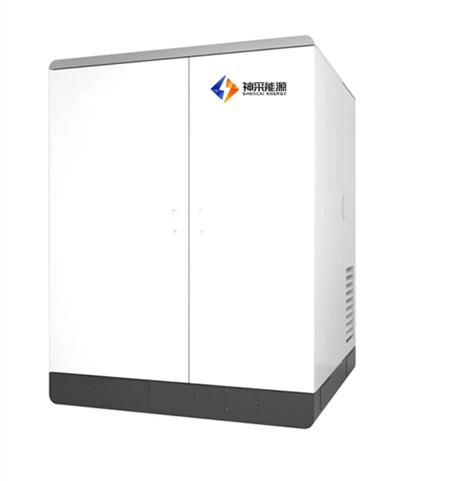
- On - site Maintenance: For complex maintenance tasks such as battery replacement, inverter repair, or safety system inspection, on - site service technicians are usually required. The cost of labor can vary depending on the location, the complexity of the task, and the technician's experience. In some cases, the BESS supplier may offer maintenance contracts that include on - site service, which can provide cost - effective solutions for customers.
- Training and Certification: If you choose to perform some of the maintenance tasks in - house, your staff will need to be trained and certified to work on the BESS. Training programs can be expensive, but they can also save money in the long run by reducing the need for external service providers.
Factors Affecting Maintenance Costs
The maintenance costs of a BESS can be influenced by several factors:
- System Size and Capacity: Larger BESS with higher capacities generally have higher maintenance costs. This is because they require more components, more powerful cooling systems, and more extensive monitoring and safety systems.
- Usage Patterns: Systems that are frequently charged and discharged at high rates or used in peak - shaving applications will experience more wear and tear, leading to higher maintenance costs.
- Environmental Conditions: Extreme temperatures, humidity, and dust can all have a negative impact on the performance and lifespan of a BESS. Systems located in harsh environments may require more frequent maintenance and component replacement.
Conclusion
The maintenance costs of a Battery Energy Storage System are influenced by multiple factors, including battery degradation, monitoring systems, thermal management, electrical components, safety systems, and labor. While these costs can be significant, proper planning, regular maintenance, and proactive monitoring can help minimize them.
As a BESS supplier, we are committed to providing high - quality systems and comprehensive maintenance solutions. If you are considering investing in a BESS, we encourage you to contact us for a detailed consultation. Our team of experts can help you understand the specific maintenance requirements and costs associated with your project and provide you with a customized solution that meets your needs and budget. Let's work together to make your energy storage project a success.
References
- "Battery Energy Storage Systems: Design, Installation, and Maintenance" by Industry Experts.
- Technical manuals and specifications provided by battery and BESS manufacturers.