

As a battery storage system provider deeply entrenched in the energy sector, I've witnessed firsthand the remarkable evolution of energy storage technologies and the critical role they play in powering our world. Battery storage systems have emerged as a cornerstone of the modern energy landscape, offering unprecedented flexibility, reliability, and sustainability. In this blog post, I'll delve into the nuances of different battery storage systems, exploring their unique characteristics, applications, and the factors that set them apart.
Lead - Acid Batteries: The Old Reliable
Lead - acid batteries have been around for over a century, and they remain a popular choice for many applications. These batteries are known for their low cost, high surge current capacity, and relatively simple technology. They are commonly used in automotive applications, uninterruptible power supplies (UPS), and small - scale off - grid systems.
One of the key advantages of lead - acid batteries is their ability to deliver high currents, making them ideal for starting engines or providing short - term power during outages. However, they also have several limitations. Lead - acid batteries have a relatively short lifespan, typically ranging from 3 to 5 years, and they require regular maintenance, including topping up the electrolyte levels and equalizing the cells. Additionally, they have a low energy density, which means they take up more space and are heavier than other battery types for the same amount of stored energy.
Lithium - Ion Batteries: The Rising Star
Lithium - ion batteries have revolutionized the battery storage industry in recent years. They are widely used in consumer electronics, electric vehicles, and large - scale energy storage systems. Lithium - ion batteries offer several significant advantages over lead - acid batteries.

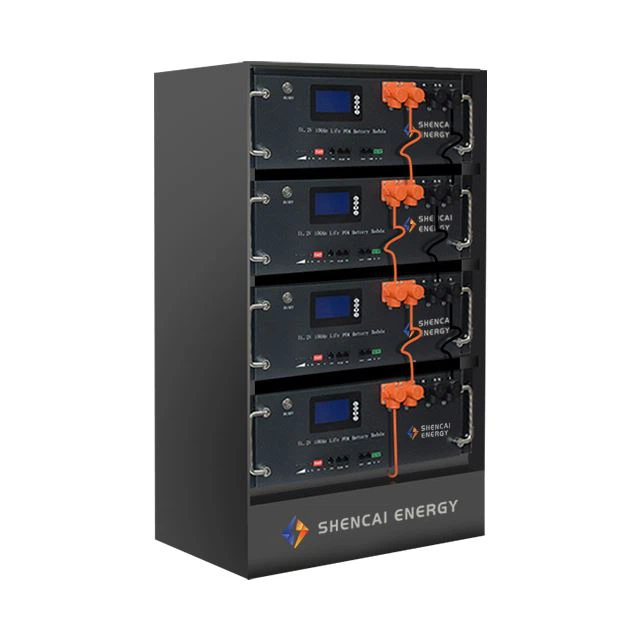
First, they have a much higher energy density, which means they can store more energy in a smaller and lighter package. This makes them ideal for applications where space and weight are critical, such as electric cars and portable electronics. Second, lithium - ion batteries have a longer lifespan, often lasting up to 10 years or more, depending on the usage and operating conditions. They also have a lower self - discharge rate, which means they can hold their charge for longer periods when not in use.
However, lithium - ion batteries are more expensive to manufacture than lead - acid batteries. They also require sophisticated battery management systems to ensure safe and efficient operation, as they can be prone to overheating and thermal runaway if not properly managed.
Flow Batteries: The Long - Duration Solution
Flow batteries represent a promising technology for long - duration energy storage. Unlike traditional batteries, flow batteries store energy in liquid electrolytes contained in external tanks. The energy is converted into electrical power through a chemical reaction when the electrolytes are pumped through a cell stack.
One of the main advantages of flow batteries is their scalability. They can be easily sized to meet the specific energy storage requirements of a project, making them suitable for large - scale grid - connected applications. Flow batteries also have a very long lifespan, often exceeding 20 years, and they can be fully discharged and recharged without significant degradation.
However, flow batteries have a relatively low energy density compared to lithium - ion batteries, which means they require more space for the same amount of stored energy. They are also more complex and expensive to install and maintain, which has limited their widespread adoption to date.
Applications and Suitability
The choice of battery storage system depends largely on the specific application and requirements. For residential applications, where space may be limited and cost is a consideration, lithium - ion batteries are often the preferred option. Our 51.2V Assembled Home Energy Battery is a great example of a reliable and efficient lithium - ion battery designed specifically for home use. It offers a high level of energy storage in a compact form factor, making it easy to install and integrate into existing home energy systems.
For small - to medium - sized commercial applications, such as small businesses or off - grid facilities, lead - acid batteries may still be a viable option due to their lower cost. However, for larger commercial and industrial applications, where long - duration energy storage and high reliability are required, flow batteries or large - scale lithium - ion battery systems are more suitable. Our 5kwh Stacked Energy Storage System For Home can also be configured for small - scale commercial use, providing a flexible and scalable solution.
Factors Affecting Performance
Several factors can affect the performance of battery storage systems. Temperature is one of the most critical factors. Extreme temperatures, both hot and cold, can significantly reduce the battery's capacity and lifespan. For example, lithium - ion batteries perform best within a certain temperature range, typically between 20°C and 30°C. When operated outside of this range, the battery's efficiency can drop, and its degradation rate can increase.
Depth of discharge (DOD) is another important factor. A battery's lifespan is closely related to the depth of discharge. Generally, the shallower the discharge, the longer the battery will last. For instance, if a battery is regularly discharged to only 20% - 30% of its capacity, it will have a much longer lifespan compared to a battery that is frequently fully discharged.
Charge and discharge rates also play a role in battery performance. High charge and discharge rates can generate more heat, which can damage the battery over time. Therefore, it's important to select a battery storage system that can handle the required charge and discharge rates without overheating.
Conclusion and Call to Action
In conclusion, different battery storage systems offer unique advantages and disadvantages, and the choice depends on a variety of factors, including application, cost, energy density, lifespan, and performance requirements. As a battery storage system provider, we are committed to helping our customers find the right solution for their needs.
Whether you are a homeowner looking to store excess solar energy, a business owner seeking to improve energy reliability, or a utility company planning for large - scale energy storage, we have the expertise and products to meet your requirements. Contact us today to discuss your specific needs and explore how our battery storage systems can benefit you. Engage in a conversation with us and take the first step towards a more efficient and sustainable energy future.
References
- Lund, H., & Mathiesen, B. V. (2009). Energy system analysis of 100% renewable energy systems-The case of Denmark in years 2030 and 2050. Energy, 34(5), 524 - 531.
- Lu, L., Han, X., Li, J., Hua, J., & Ouyang, M. (2013). A review on the key issues for lithium - ion battery management in electric vehicles. Journal of Power Sources, 226, 272 - 288.
- Weber, A. Z., Mench, M. M., Meyers, J. P., Ross, P. N., Gozdz, A. S., & Lauzze, J. (2011). Progress in electrical energy storage systems: A critical review. Chemical Reviews, 111(5), 3577 - 3613.