

In today's energy - conscious world, household battery storage has emerged as a hot topic. As a household battery storage supplier, I've seen firsthand the growing interest in this technology and the questions that come with it. One of the most pressing questions is, "What is the economic viability of household battery storage?" Let's dive in and explore.
Current Energy Landscape
The traditional energy grid has served us well for many years. However, it's not without its flaws. Power outages are still a reality, and the cost of electricity has been on a steady upward trend in many regions. The rise of renewable energy sources like solar power has given homeowners an alternative to solely relying on the grid. But solar power is intermittent—sunlight isn't available 24/7. That's where household battery storage comes in.
How Do Household Battery Storage Systems Work?
Household battery storage systems are designed to store excess energy. For example, if you have solar panels on your roof and they generate more electricity than your home is using during the day, the extra energy can be stored in the battery. Then, when the sun goes down or during a power outage, you can use the stored energy to power your home.
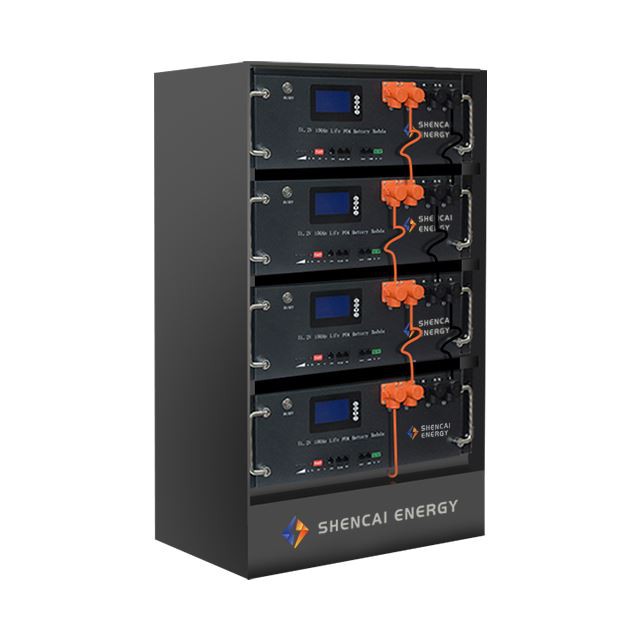
We offer a range of products, such as the House Intelligent Power Storage. This system is designed to be efficient and user - friendly, allowing homeowners to manage their energy usage effectively. Another option is the 10kwh Solar Home Energy Storage System Battery Lithium LiFePO4, which provides a substantial amount of energy storage for larger households or those with high energy demands. And for those with more specific needs, the 5KWh 48V 100AH Server Rack Lithium Battery offers a compact and powerful solution.
Economic Factors Affecting Viability
Cost Savings from Grid Independence
One of the most significant economic benefits of household battery storage is the potential for cost savings. By storing excess solar energy and using it when the grid is charging higher rates, you can reduce your reliance on the grid. This means lower electricity bills over time. For instance, in areas with time - of - use electricity pricing, where rates are higher during peak hours, you can use the stored energy from your battery instead of drawing from the grid, thus saving money.

Government Incentives
Many governments around the world are recognizing the importance of renewable energy and household battery storage. As a result, they're offering incentives to encourage homeowners to install these systems. These incentives can come in the form of tax credits, rebates, or grants. For example, some regions offer a tax credit that can cover a significant portion of the cost of purchasing and installing a household battery storage system. These incentives can greatly improve the economic viability of such systems by reducing the upfront cost.
Battery Lifespan and Replacement Costs
The lifespan of a household battery is a crucial factor in determining its economic viability. High - quality lithium - ion batteries, which are commonly used in household storage systems, can last anywhere from 10 to 15 years. However, replacement costs can be significant. It's important to consider the long - term costs when evaluating the economic feasibility of a battery storage system. Our products are designed to have a long lifespan and offer reliable performance, helping to minimize the impact of replacement costs.
Energy Market Trends
The energy market is constantly evolving. The cost of renewable energy sources like solar and wind is decreasing, and the demand for energy storage is increasing. As more households adopt battery storage systems, there may be opportunities for homeowners to participate in energy trading. For example, during times when the grid has a high demand for electricity, homeowners could sell the excess energy stored in their batteries back to the grid, potentially generating an additional income stream.
Case Studies
Let's take a look at a few real - life examples to understand the economic viability better. In California, a homeowner installed a solar panel system along with a household battery storage system. The initial investment was significant, but with the state's generous tax incentives, the cost was reduced substantially. Over the next few years, the homeowner was able to reduce their electricity bills by almost 50% by using the stored solar energy during peak hours.
Another example is in Australia, where a rural household was tired of frequent power outages. They installed a battery storage system to go with their solar panels. Not only did they gain energy independence during outages, but they also saved money in the long run by reducing their reliance on the grid.
Challenges to Economic Viability
Despite the many benefits, there are also challenges to the economic viability of household battery storage. The upfront cost of purchasing and installing a system can be a deterrent for many homeowners. Additionally, the technology is still relatively new, and there may be some uncertainty about future performance and reliability.
The regulatory environment can also present challenges. In some regions, there are complex rules and regulations regarding the installation and operation of household battery storage systems. These can add to the overall cost and make the process more difficult for homeowners.
Future Outlook
The future of household battery storage looks promising. As technology advances, the cost of batteries is expected to continue to decrease. At the same time, the efficiency and lifespan of batteries are likely to improve. This will make household battery storage systems more accessible and economically viable for a larger number of homeowners.
The integration of smart home technology with battery storage systems will also play a significant role. Smart systems can optimize energy usage, further increasing cost savings. For example, a smart battery storage system can automatically charge during off - peak hours and discharge during peak hours, maximizing the economic benefits.
Conclusion
So, what's the bottom line on the economic viability of household battery storage? It depends on a variety of factors, including your location, energy usage patterns, government incentives, and the cost of the system. However, in many cases, the long - term cost savings, potential for energy independence, and the possibility of participating in the energy market make it a worthwhile investment.
If you're interested in learning more about our household battery storage products and how they can benefit you economically, we're here to help. Whether you're looking for a small - scale solution for a weekend home or a large - capacity system for a big family, we have the right product for you. Reach out to us to start a conversation about your energy needs and how we can assist you in making a smart and economic choice for your household.
References
- U.S. Department of Energy. (2023). Energy Storage Basics.
- International Energy Agency. (2023). Global Energy Outlook.
- Local government energy incentive programs in various regions.