

Hey there! I'm a supplier of residential storage batteries, and I've been thinking a lot about the relationship between cycling and our batteries. Cycling, in the context of batteries, refers to the process of charging and discharging a battery. It's a crucial aspect that can significantly impact the performance and lifespan of residential storage batteries.
Let's start by understanding what cycling does to these batteries. When a battery goes through a charge - discharge cycle, chemical reactions occur inside it. During charging, electrical energy is converted into chemical energy and stored. When discharging, the stored chemical energy is converted back into electrical energy to power our homes.
One of the most immediate impacts of cycling on residential storage batteries is the wear and tear on the battery's internal components. Think of it like driving a car. The more you drive (or in this case, the more charge - discharge cycles a battery goes through), the more wear there is on the engine (or the battery's cells). Over time, this can lead to a decrease in the battery's capacity. For instance, a brand - new 10kwh Solar Home Energy Storage System Battery Lithium LiFePO4 might have a full capacity of 10 kWh. But after hundreds or thousands of cycles, that capacity could start to drop. This means that the battery can store and supply less energy than it originally could.
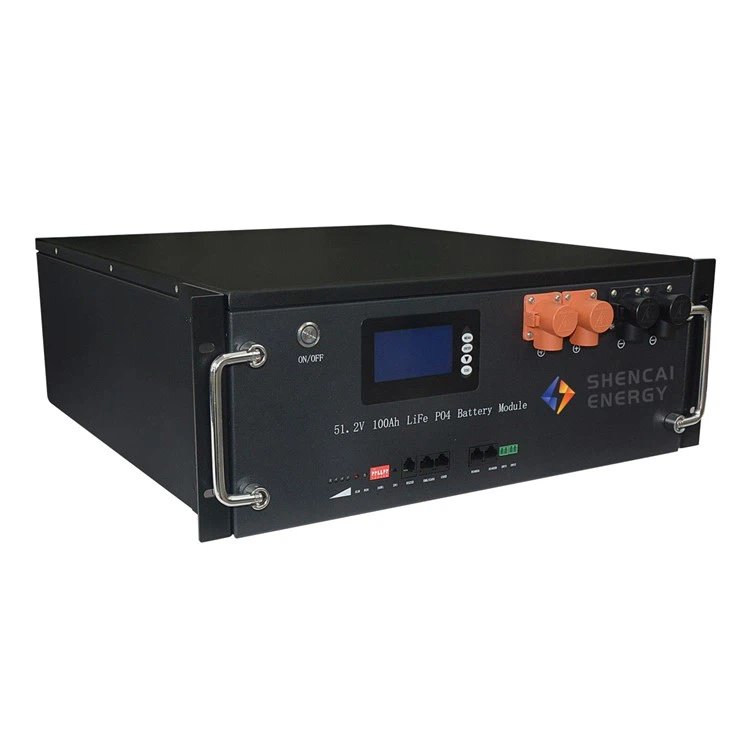

Another aspect is the effect on the battery's efficiency. As a battery cycles, its efficiency can gradually decline. Efficiency is all about how well a battery can convert electrical energy to chemical energy during charging and vice - versa during discharging. A less efficient battery will waste more energy in the form of heat. This not only means you're getting less usable energy from the battery but also that the battery might heat up more, which can further accelerate its degradation.
The rate of cycling also matters a great deal. Frequent and rapid cycling, like in a household that has a high and fluctuating energy demand, can be particularly tough on a battery. For example, if you have a home with a lot of smart appliances that turn on and off throughout the day, the battery might be constantly charging and discharging. In contrast, a home with a more stable energy consumption pattern will put less stress on the battery.
Now, let's talk about the different types of residential storage batteries and how cycling affects them. Lithium - ion batteries, which are quite popular these days, are known for their relatively long cycle life compared to other battery chemistries. However, they're still not immune to the effects of cycling. For example, the 5KWh 48V 100AH Server Rack Lithium Battery is a great option for many homes, but it will still experience capacity loss over time due to cycling.
Lead - acid batteries, on the other hand, have a shorter cycle life. They're more sensitive to deep discharges and frequent cycling. A lead - acid battery used in a residential storage system might need to be replaced more often if it's cycled aggressively.
So, what can we do to mitigate the negative impacts of cycling on residential storage batteries? One approach is to manage the cycling rate. This can be done through smart energy management systems. These systems can monitor the energy consumption in a home and control when the battery charges and discharges. For example, they can be programmed to charge the battery during off - peak hours when electricity is cheaper and there's less demand on the grid.
Another important factor is the depth of discharge (DoD). The DoD refers to how much of the battery's capacity is used during a discharge cycle. A shallow discharge, where only a small percentage of the battery's capacity is used, is generally better for the battery's longevity. For example, instead of fully discharging a 5KWh 48V 100AH Server Rack Lithium Battery to 0%, it's better to keep the DoD at around 20% - 80%. This reduces the stress on the battery cells and can significantly extend the battery's lifespan.
Temperature also plays a role in how cycling affects batteries. High temperatures can speed up the chemical reactions inside a battery, which can lead to faster degradation. So, it's important to install batteries in a well - ventilated area with a stable temperature.
As a supplier of residential storage batteries, I've seen firsthand the importance of understanding the impact of cycling. It's not just about selling a product; it's about helping customers get the most out of their investment. That's why we offer different types of batteries, each designed to suit different energy needs and usage patterns. For those who need a large - scale storage solution, our 10kwh Solar Home Energy Storage System Battery Lithium LiFePO4 is a great choice. And for more compact setups, the 5KWh 48V 100AH Server Rack Lithium Battery fits the bill.
If you're in the market for a wholesale solution, our Wholesale Rack Mounted 48V 100AH 200AH Lifepo4 Solar Battery Pack offers a cost - effective option for businesses or large - scale residential projects.
In conclusion, cycling has a significant impact on residential storage batteries. It can affect the battery's capacity, efficiency, and overall lifespan. But by understanding these impacts and taking steps to manage cycling, such as controlling the cycling rate, depth of discharge, and temperature, we can ensure that these batteries perform well for a long time.
If you're interested in learning more about our residential storage batteries or are looking to make a purchase, don't hesitate to reach out. We're here to help you find the best battery solution for your home or business.
References
- Battery University: A comprehensive resource on battery technology and cycling effects.
- Journal of Power Sources: Articles on the latest research in battery performance and cycling.