

Hey there! As a supplier of Residential Storage Batteries, I often get asked about the maintenance cost of these batteries. It's a crucial question, especially for homeowners looking to invest in energy storage solutions. So, let's dive right in and break down what you need to know about the maintenance cost of residential storage batteries.
Understanding Residential Storage Batteries
First off, let's quickly go over what residential storage batteries are. These batteries are designed to store electrical energy generated from renewable sources like solar panels or from the grid during off - peak hours. They're super handy as they allow you to use stored energy when the sun isn't shining or during peak electricity demand times, which can save you a ton on your energy bills.
There are different types of residential storage batteries out there, such as lead - acid batteries and lithium - ion batteries. Each type has its own characteristics, and these characteristics can significantly impact the maintenance cost.
Factors Affecting Maintenance Cost
Battery Type
- Lead - Acid Batteries: These are one of the older types of batteries used for residential storage. They're relatively inexpensive upfront, but they do require more maintenance. Lead - acid batteries need regular checks of the electrolyte levels. You have to make sure the water levels in the cells are correct; if they're too low, it can damage the battery. Also, they need to be properly charged and discharged to avoid sulfation, which is the build - up of lead sulfate crystals on the battery plates. This can reduce the battery's capacity and lifespan. All these maintenance tasks can add up in terms of time and cost.
- Lithium - Ion Batteries: On the other hand, lithium - ion batteries are becoming more and more popular for residential use. They have a longer lifespan compared to lead - acid batteries and generally require less maintenance. You don't have to worry about checking electrolyte levels or dealing with sulfation. However, they do need to be protected from overcharging and over - discharging, and they're sensitive to high temperatures. So, you might need to invest in a good battery management system (BMS) to ensure their proper operation.
Usage Patterns
How you use your residential storage battery also affects the maintenance cost. If you frequently charge and discharge the battery to its maximum capacity, it can put more stress on the battery and reduce its lifespan. For example, if you use your battery to power your entire home during a power outage every week, it will wear out faster compared to using it only occasionally.
Environmental Conditions
The environment where the battery is installed plays a big role. Batteries exposed to extreme temperatures, either very hot or very cold, will have a shorter lifespan and may require more maintenance. High temperatures can cause the battery to degrade faster, while cold temperatures can reduce its performance. You might need to install the battery in a temperature - controlled environment or use insulation to protect it, which adds to the cost.
Components of Maintenance Cost
Inspection and Testing
Regular inspections and testing are essential to ensure the battery is working properly. This includes checking the battery's voltage, capacity, and state of charge. You can do some basic checks yourself, but for more in - depth testing, you might need to hire a professional. For example, a professional can use specialized equipment to perform a load test on the battery to determine its actual capacity. The cost of these inspections and tests can vary depending on the complexity and frequency.
Replacement of Parts
Over time, some parts of the battery system may need to be replaced. For example, the battery management system (BMS) in a lithium - ion battery can fail after a certain number of years. Also, the connectors and cables can wear out due to constant use. The cost of replacing these parts can range from a few dollars for simple connectors to hundreds of dollars for a new BMS.

Cleaning
Batteries need to be kept clean to prevent corrosion and ensure good electrical connections. This is especially important for lead - acid batteries, where corrosion can build up on the terminals. Cleaning the battery terminals with a mixture of baking soda and water can help prevent this. However, if the corrosion is severe, you might need to replace the terminals, which adds to the cost.
Estimating Maintenance Cost
It's hard to give an exact figure for the maintenance cost of residential storage batteries because it depends on so many factors. However, as a rough estimate, for a lead - acid battery system, you might be looking at around $100 - $300 per year in maintenance costs. This includes the cost of checking electrolyte levels, adding water, and occasional part replacements.
For a lithium - ion battery system, the maintenance cost is generally lower, maybe around $50 - $150 per year. This mainly covers the cost of inspecting the BMS and replacing any worn - out connectors.
Our Products and Maintenance
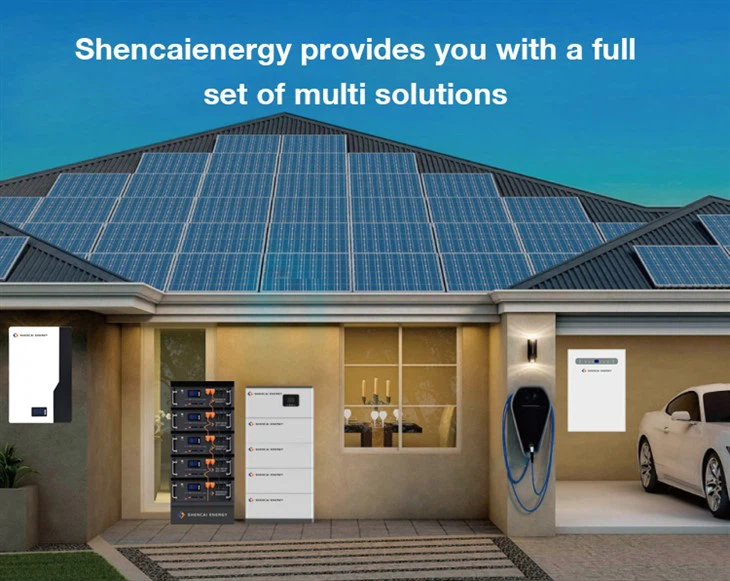
At our company, we offer a range of high - quality residential storage batteries, including the House Battery Storage Systems and Household Battery Storage. Our 5KWh 48V 100AH Server Rack Lithium Battery is a popular choice among homeowners.
We understand that maintenance is a concern for our customers, which is why we design our batteries to be as low - maintenance as possible. Our lithium - ion batteries come with a reliable BMS that helps protect the battery from overcharging and over - discharging. We also provide detailed user manuals and support to help you with any maintenance tasks.
Conclusion
In conclusion, the maintenance cost of residential storage batteries is an important factor to consider when investing in a battery system. While lead - acid batteries may have a lower upfront cost, they require more maintenance in the long run. Lithium - ion batteries, on the other hand, are more expensive initially but have lower maintenance costs.
If you're interested in learning more about our residential storage batteries or have any questions about maintenance, don't hesitate to reach out to us. We're here to help you make the best decision for your home energy storage needs. Contact us to start a procurement discussion and find the perfect battery solution for you.
References
- "Battery Technology Handbook" by some battery experts
- Industry reports on residential energy storage systems