

Are portable power stations safe to use? This is a question that many consumers often ask when considering purchasing a portable power station. As a supplier of portable power stations, I'd like to delve into this topic in detail to provide you with a comprehensive understanding.
The Basics of Portable Power Stations
Portable power stations are essentially large rechargeable batteries that can store electrical energy and then release it to power various devices. They come in different sizes, capacities, and power outputs, catering to a wide range of needs, from charging small electronic devices like smartphones and tablets to powering larger appliances such as mini - fridges and power tools.
The core components of a portable power station include the battery, inverter, and charging controller. The battery is the energy storage unit, and common types are lithium - ion and lithium iron phosphate (LiFePO4). The inverter converts the direct current (DC) stored in the battery into alternating current (AC), which is what most household appliances use. The charging controller manages the charging process to ensure the battery is charged safely and efficiently.
Safety Features of Portable Power Stations
One of the key aspects of safety in portable power stations is the battery technology. LiFePO4 batteries, which are widely used in high - quality portable power stations, have several inherent safety advantages. They are more stable chemically compared to other lithium - ion battery chemistries. For example, LiFePO4 batteries have a lower risk of thermal runaway, a phenomenon where the battery overheats and can potentially lead to fire or explosion.
Most modern portable power stations are also equipped with multiple protection mechanisms. Over - charge protection prevents the battery from being charged beyond its safe capacity. When the battery reaches its full charge, the charging system automatically stops, protecting the battery from damage and reducing the risk of overheating. Similarly, over - discharge protection ensures that the battery does not discharge below a certain level. Discharging a battery too deeply can cause irreversible damage and may also pose safety risks.
Short - circuit protection is another crucial safety feature. In the event of a short - circuit, where there is an abnormal connection that causes a large current to flow, the portable power station will immediately cut off the power supply. This prevents excessive heat generation and potential damage to the device and connected appliances.
Testing and Certification
To ensure the safety of portable power stations, they must undergo rigorous testing and obtain relevant certifications. For example, in the United States, portable power stations need to comply with UL (Underwriters Laboratories) standards. UL 2743 is the standard specifically for battery - powered equipment, including portable power stations. This standard tests for various safety aspects such as electrical safety, mechanical safety, and fire safety.
In the European Union, products must meet the CE (Conformité Européene) certification requirements. CE marking indicates that the product meets the essential health and safety requirements set out in EU directives. These certifications are a testament to the safety and quality of the portable power stations.
Safe Usage Guidelines
While portable power stations are designed with safety in mind, proper usage is also essential to ensure safety. Firstly, it is important to use the correct charger provided by the manufacturer. Using an incompatible charger can lead to over - charging, over - heating, and potential damage to the battery.
Secondly, portable power stations should be used and stored in a well - ventilated area. High temperatures can affect the performance and safety of the battery. Avoid exposing the power station to direct sunlight for extended periods or using it in extremely hot environments.
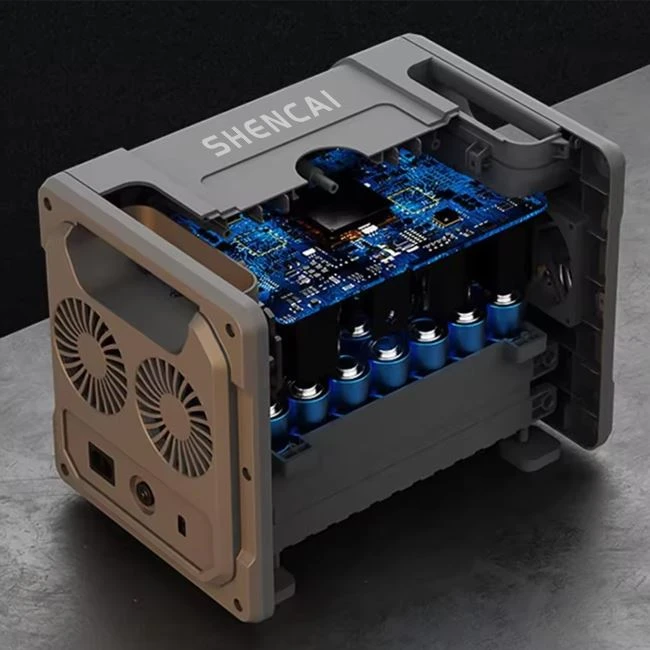

When connecting appliances to the portable power station, make sure the total power consumption of the connected devices does not exceed the rated power of the power station. Overloading the power station can cause over - heating and may damage the internal components.
Our Product Line and Safety Assurance
As a supplier, we offer a wide range of portable power stations that prioritize safety. For example, our Outdoor small size high capacity 1500W Lifepo4 Lithium Cell Camping Solar Generator Portable Power Station is equipped with LiFePO4 batteries and all the necessary safety protection mechanisms. It is suitable for outdoor activities such as camping, where reliable and safe power is crucial.
Our Portable Power Station with Solar Panel not only provides a clean and renewable energy source but also adheres to the highest safety standards. The integrated solar panel allows for convenient charging in outdoor settings, and the power station itself is designed to operate safely in various conditions.
Another popular product is our Hot Sale1008wh Home Outdoor Solar Power Bank. This power bank is suitable for both home use during power outages and outdoor adventures. It has been thoroughly tested to ensure its safety and reliability.
Conclusion
In conclusion, portable power stations are generally safe to use when they are of high - quality, equipped with proper safety features, and used in accordance with the manufacturer's guidelines. The use of advanced battery technologies like LiFePO4, along with multiple protection mechanisms, significantly reduces the risks associated with power storage and usage.
If you are interested in our portable power stations and want to learn more about our products or have any questions regarding safety and usage, we encourage you to contact us for procurement and further discussions. We are committed to providing you with safe, reliable, and high - performance portable power solutions.
References
- UL 2743 Standard for Battery - Powered Equipment
- CE Certification Requirements for Electrical Equipment in the European Union
- Technical Documentation on LiFePO4 Battery Safety