

Can a Portable Power Station be Used Indoors?
As a supplier of portable power stations, I often receive inquiries from customers about the feasibility of using these devices indoors. In this blog post, I'll explore the various aspects of using a portable power station indoors, including safety, functionality, and practical considerations.
Safety First: Understanding the Risks
One of the primary concerns when using any electrical device indoors is safety. Portable power stations typically use lithium-ion or lithium iron phosphate (LiFePO4) batteries, which are generally considered safe when used correctly. However, like any battery-powered device, there are potential risks, such as overheating, short-circuiting, and fire.
To mitigate these risks, it's essential to choose a high-quality portable power station from a reputable manufacturer. Look for products that have undergone rigorous testing and certification, such as UL (Underwriters Laboratories) or CE (Conformité Européene). These certifications ensure that the device meets strict safety standards and has been designed to prevent common electrical hazards.
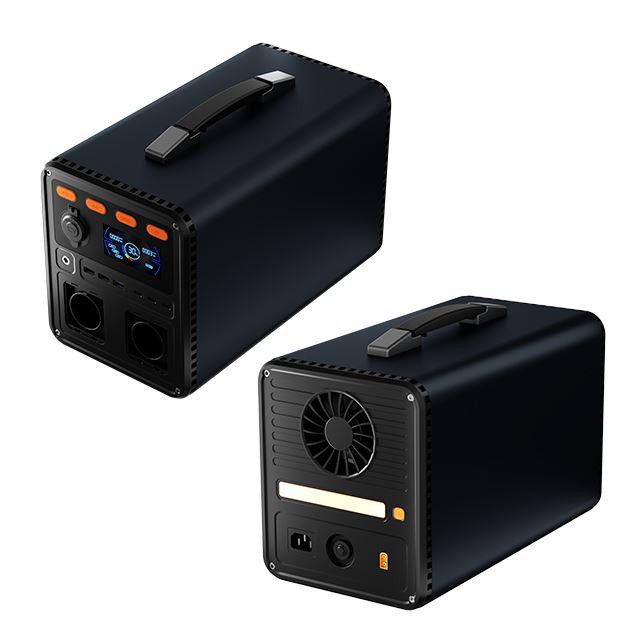

Another important safety consideration is ventilation. While most portable power stations are designed to operate efficiently without generating excessive heat, it's still a good idea to provide adequate ventilation when using them indoors. This can help prevent the build-up of heat and reduce the risk of overheating. Avoid placing the power station in enclosed spaces or near flammable materials, and make sure there is enough space around the device for air to circulate.
Functionality: What Can You Power Indoors?
One of the main advantages of a portable power station is its versatility. These devices can be used to power a wide range of electronic devices, both indoors and outdoors. Indoors, you can use a portable power station to keep your essential devices running during a power outage, such as your phone, laptop, refrigerator, or medical equipment.
The amount of power you can get from a portable power station depends on its capacity, which is typically measured in watt-hours (Wh). A higher capacity power station can provide more power and run your devices for a longer period of time. For example, our Outdoor small size high capacity 1500W Lifepo4 Lithium Cell Camping Solar Generator Portable Power Station has a capacity of 1500Wh, which is sufficient to power a small refrigerator for several hours or charge multiple devices simultaneously.
In addition to providing power during a power outage, portable power stations can also be used to power small appliances and tools indoors. For example, you can use a power station to run a small fan, a TV, or a power drill. This can be especially useful if you're working on a DIY project or need to power a device in a location where there is no access to a traditional power outlet.
Practical Considerations: Size, Weight, and Noise
When choosing a portable power station for indoor use, it's important to consider its size, weight, and noise level. You want a device that is compact and easy to move around, especially if you need to use it in different rooms or locations. Our Portable Solar Generator is designed to be lightweight and portable, making it easy to carry and use wherever you need it.
Another practical consideration is noise level. Some portable power stations can be quite noisy when they are operating, especially if they have a built-in fan or inverter. If you're using the power station in a quiet environment, such as a bedroom or an office, you may want to choose a device that operates quietly. Look for power stations that have a low decibel rating or are designed to be silent.
Charging Options: Solar, AC, and DC
Portable power stations can be charged using a variety of methods, including solar panels, AC wall outlets, and DC car chargers. Each charging method has its own advantages and disadvantages, and the best option for you will depend on your specific needs and circumstances.
Solar charging is a popular option for outdoor use, as it allows you to charge the power station using renewable energy from the sun. This can be a great way to reduce your carbon footprint and save money on electricity costs. Our Hot Sale1008wh Home Outdoor Solar Power Bank can be charged using solar panels, making it a convenient and eco-friendly option for both indoor and outdoor use.
AC charging is the most common method of charging a portable power station, as it allows you to charge the device using a standard wall outlet. This is a convenient option if you have access to a power source and need to charge the power station quickly. Most portable power stations come with an AC charger, which can be plugged into a wall outlet and used to charge the device in a few hours.
DC charging is another option for charging a portable power station, which allows you to charge the device using a car charger or a USB port. This is a convenient option if you're on the go and need to charge the power station while you're driving. Some portable power stations also come with a built-in DC charger, which allows you to charge the device using a car battery.
Conclusion: Yes, You Can Use a Portable Power Station Indoors
In conclusion, portable power stations can be used indoors safely and effectively, as long as you follow the proper safety guidelines and choose a high-quality device from a reputable manufacturer. These devices offer a convenient and reliable way to keep your essential devices running during a power outage or to power small appliances and tools indoors.
If you're interested in purchasing a portable power station for indoor use, I encourage you to contact us to learn more about our products and discuss your specific needs. Our team of experts can help you choose the right power station for your requirements and provide you with all the information you need to make an informed decision.
References
- UL Standards for Safety. (n.d.). Retrieved from [UL website]
- CE Marking. (n.d.). Retrieved from [European Commission website]