

Hey there! I'm a supplier of Residential Storage Batteries, and today I want to chat about how these nifty devices work with a time-of-use electricity tariff. It's a topic that's super relevant, especially as more and more folks are looking to save on their energy bills and make the most of renewable energy.
First off, let's get a handle on what a time-of-use electricity tariff is. In simple terms, it's a pricing system where the cost of electricity varies depending on the time of day. Generally, there are peak, off-peak, and shoulder periods. Peak times are when the demand for electricity is highest, like in the evenings when everyone's home, using lights, TVs, and cooking dinner. During these times, the electricity rates are usually the highest. Off-peak times, on the other hand, are when the demand is low, often late at night or early in the morning. Rates during off-peak periods are significantly lower. Shoulder periods fall in between, with rates that are moderately priced.
So, how do residential storage batteries fit into this picture? Well, these batteries are like little energy banks for your home. They can store electricity when it's cheap and then release it when the rates are high. Let's break down the process step by step.
Charging the Battery During Off-Peak Hours
One of the main advantages of having a residential storage battery is the ability to charge it during off-peak hours. When the electricity rates are low, you can use the grid power to charge your battery. For example, if your off-peak hours are from 12 am to 6 am, you can set your battery system to start charging at midnight.
Most modern residential storage batteries come with smart management systems. These systems can be programmed to automatically start and stop charging based on the time-of-use tariff schedule. You don't have to stay up at night to turn on the charger – it all happens automatically.

This is a great way to take advantage of the lower electricity rates. Instead of using expensive peak-time electricity for your daily needs, you're using the stored energy that you charged at a much lower cost. It's like buying groceries in bulk when they're on sale and then using them later when the prices go up.
Discharging the Battery During Peak Hours
Once your battery is fully charged during the off-peak hours, it's ready to be used during peak times. When the electricity rates spike, instead of drawing power directly from the grid, your home can use the energy stored in the battery.
Let's say it's 7 pm, and you're making dinner while watching TV. Your battery can power your appliances, lights, and electronics, reducing your reliance on the grid. This not only saves you money but also helps to ease the strain on the electricity grid during peak demand periods.
Some battery systems are even designed to seamlessly switch between grid power and battery power. You won't even notice the difference when the power source changes. It's all about providing a continuous and cost-effective energy supply for your home.
Using Renewable Energy Sources
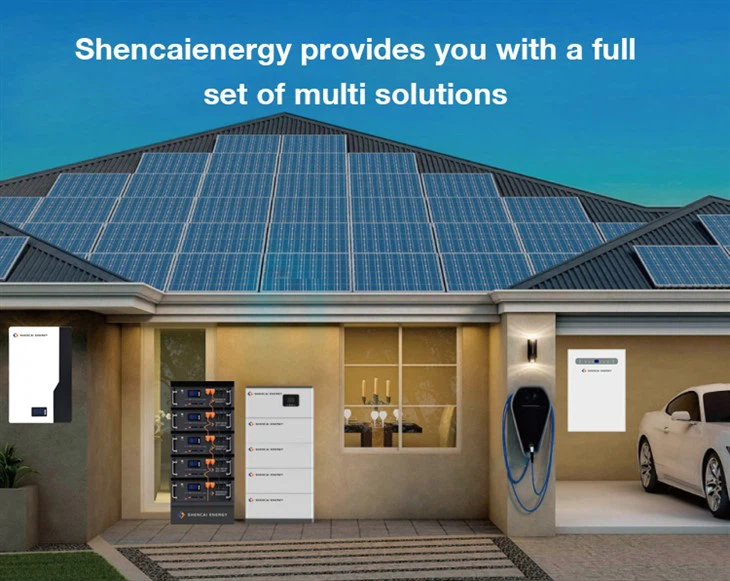
Another cool thing about residential storage batteries is that they can work hand in hand with renewable energy sources like solar panels. If you have solar panels on your roof, they generate electricity during the day when the sun is shining. However, the peak electricity demand in your home might be in the evening when the sun has set.
With a storage battery, you can store the excess electricity generated by your solar panels during the day. Then, when it gets dark and the electricity rates are high, you can use the stored solar energy instead of relying on the grid. This is a great way to maximize the use of renewable energy and further reduce your electricity costs.
The Benefits of Using Residential Storage Batteries with Time-of-Use Tariffs
There are several benefits to using residential storage batteries in conjunction with a time-of-use electricity tariff.
Cost Savings
The most obvious benefit is the potential for significant cost savings. By charging your battery during off-peak hours and using the stored energy during peak times, you can avoid paying the high peak-time electricity rates. Over time, these savings can really add up. You might even be able to see a noticeable reduction in your monthly electricity bill.
Energy Independence
Residential storage batteries also give you a certain degree of energy independence. You're not completely at the mercy of the grid and its fluctuating electricity rates. If there's a power outage, your battery can provide backup power to keep your essential appliances running. This is especially important in areas where power outages are common or during extreme weather events.
Environmental Impact
By using renewable energy sources and reducing your reliance on the grid, you're also making a positive impact on the environment. You're helping to reduce the demand for fossil fuel-based electricity generation, which in turn reduces greenhouse gas emissions. It's a win-win situation – you save money and do your part to protect the planet.
Different Types of Residential Storage Batteries
There are several types of residential storage batteries available on the market. Each type has its own advantages and disadvantages.
Lithium-Ion Batteries
Lithium-ion batteries are the most popular choice for residential use. They have a high energy density, which means they can store a lot of energy in a relatively small space. They also have a long lifespan and can be charged and discharged many times without significant degradation. These batteries are commonly used in Household Battery Storage systems and Wall Mounted Battery For House setups.
Lead-Acid Batteries
Lead-acid batteries are an older technology but are still used in some residential applications. They are less expensive than lithium-ion batteries but have a lower energy density and a shorter lifespan. They also require more maintenance, such as regular watering. However, they can be a good option for those on a tight budget.
Flow Batteries
Flow batteries are a newer type of battery technology. They have a long lifespan and can be easily scaled up to store large amounts of energy. They are also more environmentally friendly than some other types of batteries. However, they are currently more expensive and take up more space.
Choosing the Right Battery for Your Home
When choosing a residential storage battery, there are several factors to consider.
Capacity
The capacity of the battery determines how much energy it can store. You need to choose a battery with a capacity that meets your energy needs. If you have a large home with many appliances, you'll need a battery with a higher capacity. On the other hand, if you have a small apartment, a smaller battery might be sufficient.
Cost
The cost of the battery is an important consideration. You need to balance the upfront cost of the battery with the potential long-term savings. While lithium-ion batteries are more expensive, they offer better performance and a longer lifespan, which can result in greater savings over time.
Compatibility
You also need to make sure that the battery is compatible with your existing electrical system and any renewable energy sources you have. Some batteries are designed to work specifically with solar panels, while others can be used with a variety of energy sources.
Conclusion
In conclusion, residential storage batteries are a great way to make the most of a time-of-use electricity tariff. They allow you to store electricity when it's cheap and use it when the rates are high, resulting in significant cost savings. They also provide energy independence and help to reduce your environmental impact.
If you're interested in learning more about Residential Storage Batteries and how they can work with your time-of-use tariff, I'd love to chat. Whether you're a homeowner looking to save on your energy bills or an installer looking for high-quality battery products, I can provide you with the information and solutions you need. Don't hesitate to reach out to me for more details and to discuss your specific requirements. Let's work together to make your home more energy-efficient and cost-effective.
References
- Electricity Tariffs and Their Impact on Household Energy Consumption - A Research Report
- Residential Energy Storage Systems: Technologies and Market Trends
- The Future of Home Energy Storage: A Comprehensive Guide