

Residential energy solutions have witnessed a significant transformation in recent years, with wind turbines and residential storage batteries emerging as key players in the quest for sustainable and self - sufficient power. As a supplier of Residential Storage Batteries, I've had the privilege of witnessing firsthand how these two technologies can work in harmony to provide homeowners with reliable and eco - friendly energy.
How Wind Turbines Generate Electricity
Before delving into how residential storage batteries interact with wind turbines, it's essential to understand how wind turbines generate electricity. Wind turbines are essentially large machines that convert the kinetic energy of the wind into electrical energy. The process starts when the wind blows against the turbine's blades, causing them to rotate. This rotation turns a shaft connected to a generator. Inside the generator, magnets spin around coils of wire, creating an electrical current through electromagnetic induction.
The amount of electricity a wind turbine can produce depends on several factors, including the wind speed, the size of the turbine, and its efficiency. Generally, the power output of a wind turbine increases with the cube of the wind speed. This means that even a small increase in wind speed can lead to a significant increase in electricity production.
The Role of Residential Storage Batteries
Residential storage batteries play a crucial role in the integration of wind turbines into a home's energy system. One of the main challenges with wind energy is its intermittency. The wind doesn't blow constantly, and its speed can vary greatly throughout the day and night. This means that the electricity generated by wind turbines is not always available when it's needed.
This is where residential storage batteries come in. These batteries can store the excess electricity generated by the wind turbine during periods of high wind and low energy demand. Then, when the wind slows down or stops, or when the energy demand in the home is high, the stored electricity can be discharged from the battery and used to power the household appliances.
How They Work Together
The interaction between wind turbines and residential storage batteries can be broken down into several key steps:
1. Electricity Generation
When the wind blows, the wind turbine starts generating electricity. This electricity is then sent to an inverter, which converts the direct current (DC) electricity produced by the turbine into alternating current (AC) electricity, which is the type of electricity used in most homes.
2. Powering the Home
The AC electricity from the inverter is first used to meet the immediate energy needs of the home. If the electricity generated by the wind turbine is more than what the home requires at that moment, the excess electricity is sent to the residential storage battery for storage.
3. Battery Charging
The residential storage battery is charged using the excess electricity from the wind turbine. Most modern residential storage batteries use lithium - ion technology, which is known for its high energy density, long lifespan, and fast charging capabilities. The battery management system (BMS) in the storage battery ensures that the battery is charged safely and efficiently, preventing overcharging and overheating.
4. Powering the Home during Low Wind Periods
When the wind speed drops and the electricity generation from the wind turbine decreases, or when the energy demand in the home exceeds the electricity being generated, the stored electricity in the residential storage battery is discharged. The BMS controls the discharge process to ensure that the battery is not over - discharged, which can damage the battery.
Benefits of Combining Wind Turbines and Residential Storage Batteries
There are several benefits to combining wind turbines and residential storage batteries:
1. Energy Independence
By storing the excess electricity generated by the wind turbine, homeowners can reduce their reliance on the grid. This means that they can continue to power their homes even during power outages or when the grid is experiencing high demand.
2. Cost Savings
Over time, the combination of wind turbines and residential storage batteries can lead to significant cost savings. Homeowners can avoid paying high electricity bills during peak hours by using the stored electricity from the battery. Additionally, some regions offer incentives and subsidies for installing renewable energy systems, which can further reduce the upfront costs.
3. Environmental Benefits
Wind energy is a clean and renewable source of energy, and using residential storage batteries to store the excess wind - generated electricity helps to maximize the use of this clean energy. This reduces the reliance on fossil fuels, which in turn reduces greenhouse gas emissions and helps to combat climate change.
Our Residential Storage Battery Products
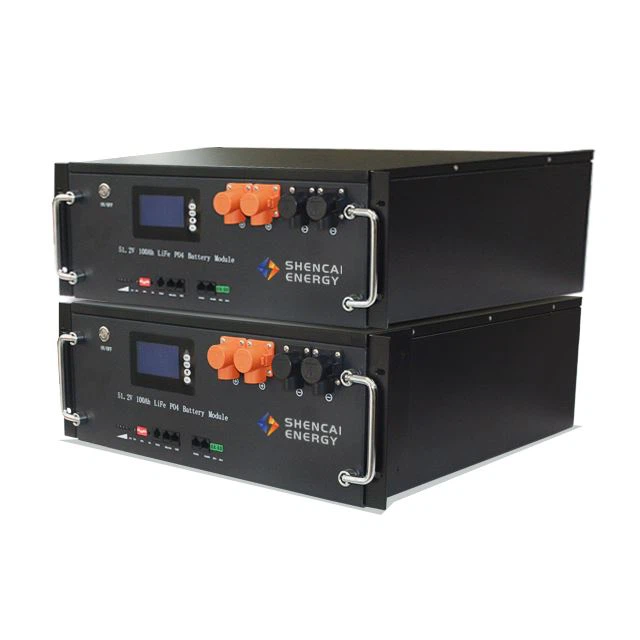
As a supplier of Residential Storage Batteries, we offer a range of high - quality products that are designed to work seamlessly with wind turbines. Our Stacked Home Energy Storage Systems are modular and can be easily expanded to meet the increasing energy storage needs of your home. These systems are equipped with advanced BMS technology to ensure safe and efficient operation.
Our Household Battery Storage solutions are compact and suitable for homes with limited space. They are designed to provide reliable energy storage for small to medium - sized households.
For those who need a high - capacity storage solution, our 5KWh 48V 100AH Server Rack Lithium Battery is an excellent choice. This battery offers a large storage capacity and can be easily integrated into existing home energy systems.
Contact Us for Procurement
If you're interested in learning more about how our residential storage batteries can work with your wind turbine, or if you're ready to make a purchase, we encourage you to contact us. Our team of experts is available to answer your questions, provide technical support, and help you choose the right storage battery solution for your home.

References
- Manwell, J. F., McGowan, J. G., & Rogers, A. L. (2009). Wind energy explained: theory, design, and application. John Wiley & Sons.
- Lund, H. (2007). Energy system analysis of 100% renewable energy systems - the case of Denmark in 2030. Energy, 32(6), 914 - 928.
- Kempton, W., & Tomić, J. (2005). Vehicle - to - grid power fundamentals: Calculating capacity and net revenue. Journal of power sources, 144(1), 268 - 279.