

Hey there! As a supplier of Battery Storage System Stations, I've had my fair share of experiences diving deep into how these systems integrate with energy storage inverters. It's a super cool topic that's not only crucial for the energy industry but also has a huge impact on our daily lives. So, let's dig in and explore this integration process together.
First off, let's talk about what a Battery Storage System Station is. In simple terms, it's a facility that stores electrical energy in batteries for later use. These stations are like big energy banks, collecting and holding power when it's abundant and releasing it when there's a high demand. On the other hand, energy storage inverters are the brains behind the operation. They convert the direct current (DC) stored in the batteries into alternating current (AC), which is the type of electricity that most of our homes and businesses use.
Now, the integration of a Battery Storage System Station with energy storage inverters is a multi - step process. The first step is all about compatibility. You can't just randomly pair any battery system with an inverter. They need to be a good match in terms of voltage, capacity, and power ratings. For example, if the battery has a high - voltage output and the inverter can only handle a lower voltage, it's going to cause problems. So, before anything else, we need to make sure that the technical specifications of the battery and the inverter are in sync.
Once we've got the compatibility sorted, the next step is the physical connection. This involves wiring the battery system to the inverter. It's a delicate job because improper wiring can lead to electrical shorts, overheating, or even fires. We use high - quality cables and connectors that can handle the electrical load and are resistant to environmental factors like moisture and heat. This physical connection is the backbone of the integration, allowing the flow of electricity between the battery and the inverter.
But it's not just about the physical connection; communication is also key. Modern energy storage inverters and battery systems are equipped with advanced communication protocols. These protocols allow the inverter to monitor the state of the battery, such as its charge level, temperature, and health. For instance, if the battery is getting too hot, the inverter can adjust the charging or discharging rate to prevent damage. This real - time communication ensures that the entire system operates safely and efficiently.
Another important aspect of integration is the control strategy. The inverter needs to know when to charge and discharge the battery based on various factors like grid demand, electricity prices, and the availability of renewable energy sources. For example, during off - peak hours when electricity is cheap, the inverter can charge the battery. Then, during peak hours when electricity prices are high, the inverter can discharge the battery and supply power to the grid or a local load. This intelligent control strategy helps to optimize the use of stored energy and can save a lot of money in the long run.
Let's take a look at some real - world applications of this integration. In areas with a high penetration of renewable energy sources like solar and wind, Battery Storage System Stations integrated with energy storage inverters can help to smooth out the intermittent nature of these sources. When the sun is shining or the wind is blowing, the excess energy can be stored in the batteries. Then, when there's no sun or wind, the stored energy can be released to keep the power flowing. This makes renewable energy more reliable and reduces our dependence on traditional fossil - fuel power plants.
In addition, these integrated systems are also useful for off - grid applications. For example, in remote areas where there's no access to the main power grid, a Battery Storage System Station with an energy storage inverter can provide a stable power supply. The inverter can convert the DC power from the battery into AC power for use in homes, businesses, or even small industries.
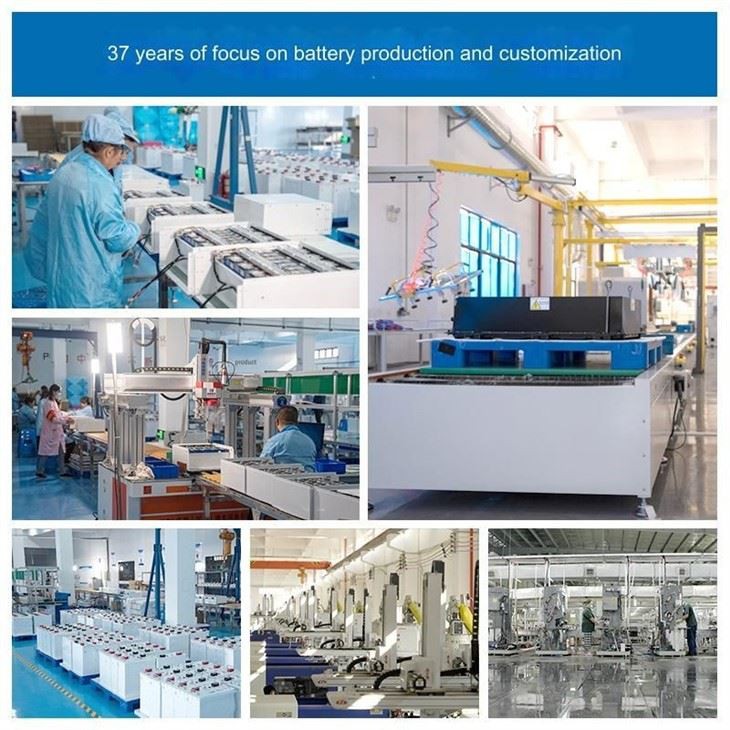
Now, I'd like to mention some of the products we offer. We have the Energy Storage System LiFePO4 Container, which is a great option for those looking for a reliable and efficient energy storage solution. It's designed to be easily integrated with our energy storage inverters and can store a significant amount of energy. We also have the Energy Storage System LiFePO4 Container that is produced in our state - of - the - art factory, ensuring high - quality and consistency. And for those who need a more modular and scalable solution, our Container Energy Storage is a top - notch choice.

If you're in the market for a Battery Storage System Station and are interested in how it can be integrated with energy storage inverters, we'd love to have a chat with you. Whether you're a utility company looking to improve grid stability, a renewable energy project developer, or a business owner wanting to reduce your electricity costs, we've got the expertise and the products to meet your needs. Don't hesitate to reach out to us for more information and to start a procurement discussion.
In conclusion, the integration of a Battery Storage System Station with energy storage inverters is a complex but rewarding process. It offers numerous benefits in terms of energy management, reliability, and cost - savings. With the right products and expertise, we can create a system that meets your specific requirements and helps you make the most of your stored energy.
References
- "Energy Storage for Power Systems: An Overview" by X. Wang et al.
- "Battery Energy Storage Systems: Design and Application" by M. J. Ryan.
- Industry whitepapers on energy storage and inverter integration.