

Hey there! As a supplier of Battery Storage System Stations, I've seen firsthand how crucial it is to protect these systems from short - circuits. A short - circuit can spell disaster for a battery storage system, leading to overheating, damage to components, and even posing a fire hazard. So, let's dig into how we protect our Battery Storage System Stations against short - circuits.
Understanding Short - Circuits in Battery Storage Systems
First off, what exactly is a short - circuit in a battery storage system? Well, a short - circuit occurs when there's an unintended low - resistance connection between two points in an electrical circuit. In a battery storage system, this can happen due to a variety of reasons. Maybe there's a manufacturing defect, like a wire that's not properly insulated. Or perhaps there's physical damage to the system, such as a cracked battery casing that allows conductors to come into contact.
When a short - circuit happens, it causes a large amount of current to flow through the circuit. This sudden surge of current can generate a ton of heat, which can melt components, damage the battery cells, and potentially start a fire. That's why we need to have effective protection mechanisms in place.
Fuses and Circuit Breakers
One of the most common ways to protect against short - circuits is by using fuses and circuit breakers. Fuses are like the unsung heroes of electrical protection. They're basically a small piece of wire that's designed to melt when too much current flows through it. When a short - circuit occurs, the high current causes the fuse wire to heat up and melt, breaking the circuit and stopping the flow of current.
Circuit breakers work in a similar way, but they're reusable. Instead of melting a wire, a circuit breaker uses a switch that automatically trips when it detects an overcurrent situation. Once the problem is fixed, you can simply reset the circuit breaker and get the system up and running again.
In our Battery Storage System Stations, we use high - quality fuses and circuit breakers that are specifically designed for the high - voltage and high - current environments of battery storage. These components are carefully selected to ensure that they can handle the normal operating conditions of the system while still providing reliable protection against short - circuits.
Insulation and Isolation
Another important aspect of short - circuit protection is proper insulation and isolation. All the electrical components in our Battery Storage System Stations are carefully insulated to prevent any unintended contact between conductors. We use high - quality insulating materials that can withstand the high voltages and temperatures that can occur in a battery storage system.
In addition to insulation, we also use isolation techniques to separate different parts of the circuit. For example, we use isolation transformers to prevent direct electrical connection between the input and output of a circuit. This helps to reduce the risk of short - circuits caused by voltage spikes or other electrical disturbances.
Monitoring and Control Systems
We also rely on advanced monitoring and control systems to detect and prevent short - circuits. These systems continuously monitor the electrical parameters of the battery storage system, such as voltage, current, and temperature. If any of these parameters go outside of the normal range, the monitoring system can detect it and take appropriate action.
For example, if the current suddenly spikes, indicating a possible short - circuit, the monitoring system can send a signal to the circuit breaker to trip and disconnect the circuit. The monitoring system can also alert the operators, so they can investigate the problem and take steps to prevent it from happening again.
In our Energy Storage System LiFePO4 Container, we have a state - of - the - art monitoring and control system that provides real - time data on the performance of the battery storage system. This allows us to quickly identify and address any potential short - circuit issues before they cause serious damage.
Battery Management Systems (BMS)
Battery Management Systems (BMS) play a crucial role in protecting battery storage systems against short - circuits. A BMS is responsible for managing the charging and discharging of the battery cells, as well as monitoring their health and performance.
One of the key functions of a BMS is to balance the voltage of the individual battery cells. If the voltage of one cell is significantly different from the others, it can create an imbalance in the circuit, which can increase the risk of short - circuits. The BMS continuously monitors the voltage of each cell and takes steps to balance them, ensuring that the battery cells are operating within a safe and efficient range.
In our Rackmount Storage Battery, we use a highly advanced BMS that provides comprehensive protection against short - circuits and other battery - related issues. The BMS can detect any abnormal conditions in the battery cells and take corrective action, such as disconnecting the battery from the circuit if necessary.
Enclosure Design
The design of the enclosure for our Battery Storage System Stations also plays an important role in short - circuit protection. The enclosure is designed to provide physical protection for the electrical components, as well as to prevent the spread of fire or other hazards in case of a short - circuit.
We use high - strength materials for the enclosure that can withstand impact and other physical stresses. The enclosure is also designed to be dust - proof and water - proof, which helps to prevent damage to the electrical components from environmental factors.
In addition, the enclosure is designed with proper ventilation to dissipate heat generated by the battery cells and other components. This helps to prevent overheating, which can reduce the risk of short - circuits. Our Container Energy Storage units are built with a robust enclosure design that provides excellent protection against short - circuits and other potential hazards.
Testing and Quality Assurance
Before we ship any of our Battery Storage System Stations, we subject them to rigorous testing to ensure that they meet the highest standards of safety and performance. We test the short - circuit protection mechanisms to make sure that they work as intended under different conditions.

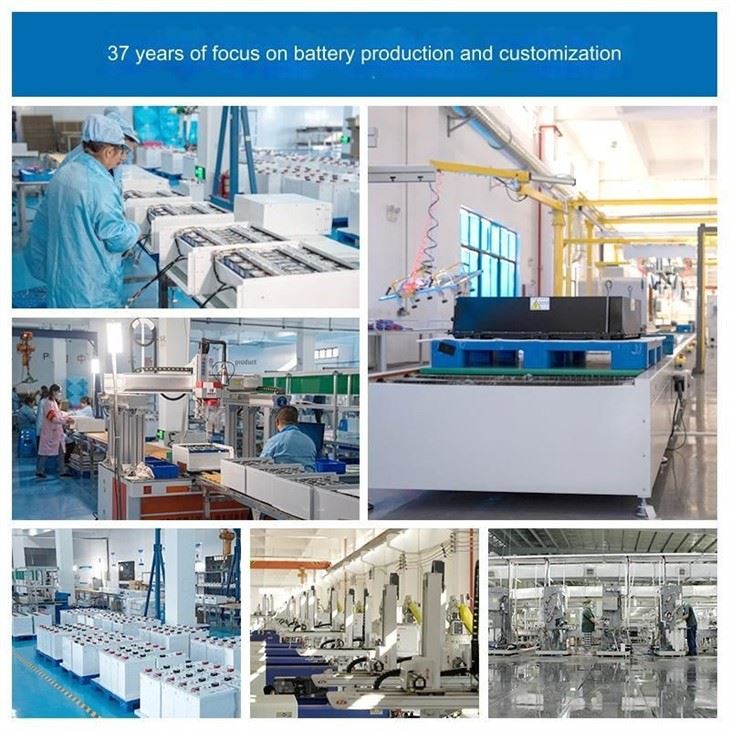
We also perform quality assurance checks on all the components used in the system to ensure that they are of high quality and free from defects. This helps to reduce the risk of short - circuits caused by manufacturing defects.
Conclusion
Protecting a Battery Storage System Station against short - circuits is a multi - faceted process that involves using a combination of fuses, circuit breakers, insulation, monitoring systems, BMS, and proper enclosure design. By implementing these measures, we can ensure that our Battery Storage System Stations are safe, reliable, and long - lasting.
If you're in the market for a high - quality Battery Storage System Station, we'd love to talk to you. Our team of experts can help you choose the right system for your needs and provide you with all the support you need. Whether you're looking for an Energy Storage System LiFePO4 Container, a Rackmount Storage Battery, or a Container Energy Storage solution, we've got you covered. Contact us today to start the procurement process and let's work together to find the perfect battery storage solution for you.
References
- Electrical Safety Standards for Battery Storage Systems, International Electrotechnical Commission (IEC)
- Handbook of Battery Management Systems, Springer
- Battery Energy Storage Systems: Design and Implementation, Wiley