

The installation cost of household battery storage is a multifaceted topic that concerns many homeowners looking to enhance their energy independence and efficiency. As a household battery storage supplier, I've witnessed firsthand the growing interest in this technology and the questions that often arise regarding its cost. In this blog, I'll delve into the factors that influence the installation cost of household battery storage, provide some cost estimates, and offer insights on how to make a cost - effective decision.
Factors Influencing Installation Cost
Battery Capacity
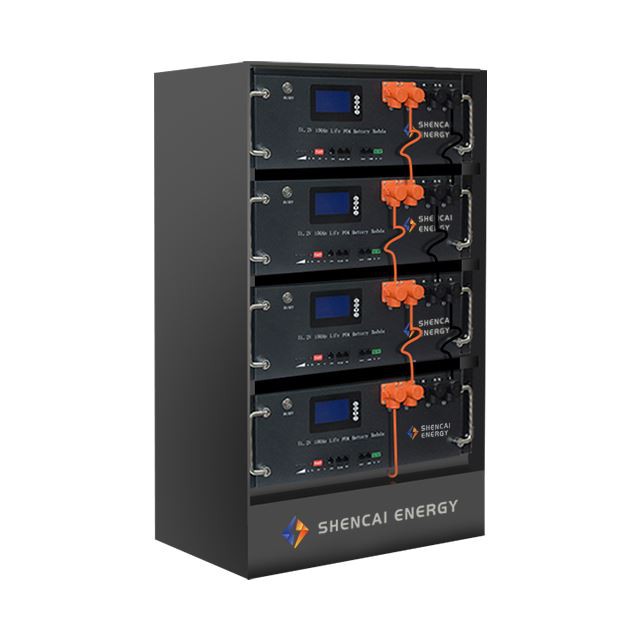
One of the most significant factors affecting the cost of household battery storage is the battery capacity. Higher capacity batteries can store more energy, which is beneficial for homes with high energy consumption or those aiming for greater energy independence. For example, a 10kwh Solar Home Energy Storage System Battery Lithium LiFePO4 is likely to cost more than a smaller capacity system. The price of the battery itself is directly related to its capacity, and larger batteries generally require more materials and advanced technology to manufacture.
Battery Chemistry
Different battery chemistries have different costs. Lithium - ion batteries, especially Lithium Iron Phosphate (LiFePO4), are popular for household storage due to their high energy density, long cycle life, and relatively low self - discharge rate. However, they tend to be more expensive than some other chemistries like lead - acid batteries. Lead - acid batteries are cheaper upfront but have a shorter lifespan and lower energy density, which may result in higher long - term costs.
Inverter Requirements
An inverter is an essential component of a household battery storage system. It converts the direct current (DC) stored in the battery into alternating current (AC) that can be used in the home. The cost of the inverter depends on its power rating and features. A high - power inverter capable of handling large loads will be more expensive than a smaller one. Additionally, some inverters come with advanced features such as smart grid integration and remote monitoring, which can add to the overall cost.
Installation Complexity
The complexity of the installation also plays a crucial role in determining the cost. If your home has an existing solar panel system, integrating a battery storage system may be relatively straightforward. However, if there are no existing solar panels or if the electrical system in your home is outdated, additional work may be required. This could include upgrading the electrical panel, running new wiring, and ensuring proper grounding. All these factors increase the labor cost of the installation.
Location
The geographical location of your home can impact the installation cost. In areas with a high cost of living or where there is a shortage of skilled installers, the labor cost will be higher. Additionally, local regulations and permitting requirements can also add to the cost. Some areas may require specific permits for installing a battery storage system, and the process of obtaining these permits can be time - consuming and expensive.
Cost Estimates
On average, the cost of a residential battery storage system can range from $5,000 to $15,000 or more, including the cost of the battery, inverter, and installation. A small - scale system with a capacity of around 5 kWh may cost around $5,000 - $7,000, while a larger 10 - 15 kWh system can cost $10,000 - $15,000.
It's important to note that these are just rough estimates, and the actual cost can vary significantly depending on the factors mentioned above. For example, a Residential Storage Batteries system with high - end features and a large capacity in a high - cost area may cost well over $20,000.
Cost - Saving Strategies
Government Incentives
Many governments offer incentives to encourage the adoption of renewable energy and energy storage systems. These incentives can come in the form of tax credits, rebates, or grants. For example, some states in the United States offer a tax credit for installing a solar battery storage system. Before making a purchase, it's worth researching the available incentives in your area to see if you can reduce the upfront cost.
Bulk Purchasing
If you are part of a community or neighborhood that is interested in installing battery storage systems, consider purchasing in bulk. Suppliers often offer discounts for large orders, which can help reduce the cost per unit.

System Design Optimization
Work with a professional installer to optimize the design of your battery storage system. A well - designed system can ensure that you are getting the most out of your investment. For example, sizing the battery and inverter correctly based on your energy consumption patterns can prevent over - sizing, which can be costly.
Making a Cost - Effective Decision
When considering a household battery storage system, it's important to look beyond the upfront cost. Evaluate the long - term benefits, such as energy savings, reduced reliance on the grid, and potential revenue from selling excess energy back to the grid. Calculate the payback period of the investment, which is the time it takes for the savings from the system to equal the initial cost.
Also, consider the warranty and after - sales service offered by the supplier. A longer warranty and reliable after - sales support can give you peace of mind and reduce the risk of unexpected costs in the future.
As a household battery storage supplier, I understand that making the right decision can be challenging. That's why we offer personalized consultations to help you understand your energy needs and find the most cost - effective solution for your home. Whether you are interested in a House Power Storage system for backup power or to maximize your solar energy usage, we can guide you through the process.
If you are interested in learning more about our household battery storage systems or would like to discuss the installation cost for your specific situation, please reach out to us. We are here to answer your questions and help you make an informed decision.
References
- "Energy Storage Technologies and Applications" by the U.S. Department of Energy
- "Residential Battery Storage: A Guide for Homeowners" by the National Renewable Energy Laboratory
- Industry reports from leading battery manufacturers and market research firms.