

Hey there! As a supplier of House UPS Power Supply, I've seen firsthand how crucial these devices are in protecting our homes from electrical mishaps, especially short - circuits. So, let's dive into how a house UPS power supply guards against those pesky short - circuits.
First off, what exactly is a short - circuit? Well, in simple terms, a short - circuit happens when there's an unintended low - resistance connection between two points in an electrical circuit. This can be due to damaged insulation, loose wires, or even some foreign objects getting into the electrical system. When a short - circuit occurs, it causes a huge surge in current flow. And trust me, that's not good news for your home appliances and the electrical system as a whole.
Now, let's talk about how a house UPS power supply steps in to save the day.
Overcurrent Protection
One of the primary ways a UPS protects against short - circuits is through overcurrent protection. Inside the UPS, there are special components like fuses and circuit breakers. These act as the first line of defense.
Fuses are basically thin wires that are designed to melt when the current flowing through them exceeds a certain level. When a short - circuit happens, the current shoots up rapidly. The fuse senses this sudden increase and melts, breaking the circuit. It's like a sacrifice play to protect the rest of the system. Once the fuse blows, the flow of electricity is halted, preventing any further damage to the UPS and the connected devices.
Circuit breakers work in a similar way, but they're reusable. They have a mechanism that can detect an overcurrent situation. When the current gets too high, the circuit breaker trips, opening the circuit. And when the problem is fixed, you can just reset the circuit breaker, and it's back in action. This is a great feature because it saves you the hassle of constantly replacing fuses.
Isolation and Grounding
Another important aspect of short - circuit protection is isolation and grounding. A good house UPS power supply is designed to isolate the connected devices from the main power source during a short - circuit. It has built - in transformers that separate the input and output circuits. This isolation helps prevent the high - current surge from reaching the connected appliances.
Grounding is also a key part of the equation. The UPS is connected to a proper grounding system. In case of a short - circuit, the excess current is safely diverted to the ground. This not only protects the devices but also reduces the risk of electrical shock to anyone in the vicinity.
Monitoring and Control
Modern house UPS power supplies are equipped with advanced monitoring and control systems. These systems constantly keep an eye on the electrical parameters such as voltage, current, and frequency. When a short - circuit occurs, the UPS's control system can quickly detect the abnormal changes in these parameters.
Once the short - circuit is detected, the UPS can take immediate action. It might switch to battery power if it's an online UPS or disconnect the load from the power source if it's an offline UPS. This rapid response helps minimize the damage caused by the short - circuit.
Battery Backup as a Buffer
The battery backup in a UPS also plays a role in short - circuit protection. During a short - circuit, the sudden drop in voltage can be harmful to sensitive electronic devices. The UPS's battery can provide a stable source of power for a short period. This gives the UPS time to safely shut down the connected devices or wait for the short - circuit to be resolved.
For example, if you have a computer connected to the UPS and a short - circuit occurs in the power line, the battery can keep the computer running long enough for you to save your work and shut it down properly. This prevents data loss and potential hardware damage.
Different Types of House UPS Power Supplies and Their Protection Mechanisms
There are different types of house UPS power supplies, such as offline, line - interactive, and online UPS. Each type has its own way of protecting against short - circuits.
Offline UPS: These are the most basic type of UPS. They mainly rely on the overcurrent protection provided by fuses and circuit breakers. When a short - circuit is detected, the offline UPS quickly switches from the main power source to the battery and disconnects the load from the faulty power line.
Line - interactive UPS: These UPSs are a step up from offline ones. They not only have overcurrent protection but also have some voltage regulation capabilities. In case of a short - circuit, they can adjust the voltage and current more precisely. They can also provide a smoother transition to battery power, which is great for protecting sensitive devices.
Online UPS: These are the top - of - the - line UPSs. They provide the highest level of protection against short - circuits. An online UPS constantly runs on battery power, with the main power source used only to charge the battery. This means that the connected devices are always isolated from the main power line. Even if a short - circuit occurs in the power line, the devices are protected because they're powered by the battery.
Benefits of Using a House UPS Power Supply for Short - Circuit Protection
Using a house UPS power supply for short - circuit protection offers several benefits.
Firstly, it protects your valuable electronic devices. In today's world, we have so many expensive gadgets like laptops, TVs, and smart home devices. A short - circuit can fry these devices in an instant. A UPS ensures that these devices are safe from such electrical disasters.
Secondly, it provides peace of mind. You don't have to worry about sudden power surges and short - circuits ruining your appliances. Whether you're at home or away, you can be confident that your electrical system is protected.

Finally, it can save you money in the long run. The cost of replacing damaged electronic devices can be quite high. By investing in a good UPS, you're preventing these costly replacements.
Other Related Products
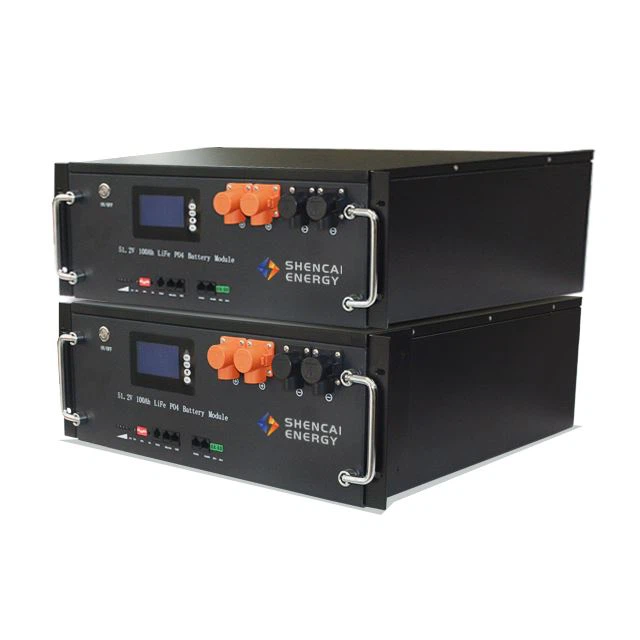
In addition to our House UPS Power Supply, we also offer All - In - One Residential Energy Storage System and Stacked Home Energy Storage Systems. These products not only provide backup power but also offer enhanced protection against electrical issues like short - circuits. They are designed to work seamlessly with your existing electrical system and can be customized to meet your specific needs.
Conclusion
So, there you have it - how a house UPS power supply protects against short - circuits. From overcurrent protection to isolation and grounding, these devices are engineered to keep your home and electronic devices safe.
If you're interested in learning more about our house UPS power supplies or our other energy storage products, don't hesitate to reach out. We're here to help you find the perfect solution for your home's power protection needs. Whether you're a homeowner looking to safeguard your electronics or a business owner in need of reliable power backup, we've got you covered. Let's start a conversation about how we can work together to keep your power flowing smoothly and safely.
References
- Electrical Engineering Handbook, CRC Press
- UPS Systems: A Practical Guide, John Wiley & Sons