

As a supplier of house battery storage systems, I've witnessed firsthand the growing interest in how these systems work in combination with generators. In this blog post, I'll delve into the mechanics of this synergy, highlighting the benefits and considerations for homeowners looking to optimize their energy solutions.
Understanding House Battery Storage
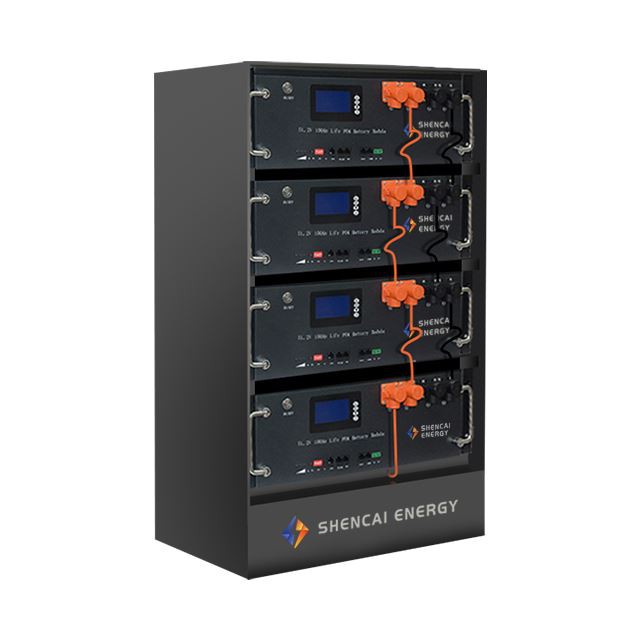
Before we explore the combination with generators, let's first understand how house battery storage systems operate. These systems are designed to store electrical energy generated from various sources, such as solar panels or the grid, for later use. They typically consist of batteries, an inverter, and a battery management system (BMS).
The batteries store the electrical energy in chemical form. When energy is needed, the inverter converts the stored DC (direct current) energy from the batteries into AC (alternating current) energy, which is used to power household appliances and devices. The BMS monitors and manages the charging and discharging processes to ensure the batteries' safety and longevity.
One of the key advantages of house battery storage is its ability to provide backup power during outages. By storing excess energy when it's available, homeowners can have a reliable source of electricity when the grid goes down. Additionally, battery storage can help reduce electricity costs by allowing homeowners to use stored energy during peak demand periods when electricity rates are higher.
The Role of Generators
Generators, on the other hand, are devices that convert mechanical energy into electrical energy. They can be powered by various fuels, such as gasoline, diesel, natural gas, or propane. Generators are commonly used as backup power sources during emergencies or in areas with unreliable grid access.
When the grid fails, generators can quickly start up and provide electricity to essential appliances and systems in the house. They are capable of producing a large amount of power, making them suitable for powering high-demand devices such as air conditioners, refrigerators, and electric heaters.
How House Battery Storage Works in Combination with a Generator
Combining house battery storage with a generator can create a more efficient and reliable energy system. Here's how it works:
1. Energy Management
The house battery storage system and the generator work together under the control of an energy management system. This system monitors the energy consumption in the house, the state of charge of the batteries, and the availability of grid power. Based on this information, it determines when to charge the batteries, when to use the stored energy, and when to start the generator.
For example, during the day, when solar panels are generating excess energy, the energy management system will direct the excess energy to charge the batteries. At night, when the energy demand is high and the batteries are running low, the system can switch to using the generator to power the house while also charging the batteries.
2. Load Shifting
One of the main benefits of combining battery storage with a generator is load shifting. Load shifting involves moving the energy consumption from peak demand periods to off-peak periods. By storing energy in the batteries during off-peak hours, homeowners can avoid using the generator during peak demand periods when electricity rates are higher.
For instance, if the electricity rates are lower at night, the energy management system can charge the batteries during this time. Then, during the day when the rates are higher, the system can use the stored energy from the batteries instead of relying on the generator or the grid. This not only helps reduce electricity costs but also reduces the wear and tear on the generator.
3. Backup Power
In the event of a power outage, the house battery storage system can provide immediate backup power. The batteries can supply electricity to essential appliances and systems in the house for a certain period of time, depending on their capacity. If the outage lasts longer than the battery's capacity, the energy management system can start the generator to continue powering the house and recharge the batteries.
This combination provides a seamless transition to backup power, ensuring that homeowners have a continuous supply of electricity during emergencies. It also reduces the need to manually start the generator, as the energy management system can automatically detect the outage and initiate the appropriate actions.
Benefits of Combining House Battery Storage with a Generator
1. Increased Energy Efficiency
By using battery storage to store excess energy and shift the load, homeowners can make more efficient use of their energy resources. This reduces the overall energy consumption and helps lower electricity bills. Additionally, the combination of battery storage and a generator can reduce the frequency of generator startups, which can save fuel and reduce emissions.
2. Enhanced Reliability
The combination of battery storage and a generator provides a more reliable source of backup power. The batteries can provide immediate power during outages, while the generator can provide long-term power if needed. This ensures that homeowners have a continuous supply of electricity, even during extended power outages.
3. Reduced Environmental Impact
Using battery storage in combination with a generator can help reduce the environmental impact of energy consumption. By storing excess energy from renewable sources such as solar panels, homeowners can reduce their reliance on fossil fuels. Additionally, the reduced frequency of generator startups can help lower emissions and noise pollution.
Considerations for Homeowners
While combining house battery storage with a generator offers many benefits, there are some considerations that homeowners should keep in mind:
1. Cost
The initial cost of installing a house battery storage system and a generator can be significant. Homeowners need to consider their budget and the potential savings in electricity costs over time. It's important to do a cost-benefit analysis to determine if the investment is worth it.
2. Battery Capacity
The capacity of the batteries is an important factor to consider. Homeowners need to determine how much energy they need to store based on their energy consumption and the duration of backup power they require. A larger battery capacity will provide more backup power but will also increase the cost.
3. Generator Size
The size of the generator should be selected based on the energy demand of the house. A generator that is too small may not be able to power all the essential appliances and systems, while a generator that is too large may be inefficient and waste fuel.
4. Maintenance
Both the battery storage system and the generator require regular maintenance. Homeowners need to follow the manufacturer's instructions for maintenance and ensure that the systems are in good working condition. This includes checking the battery's state of charge, inspecting the generator for any leaks or damage, and changing the oil and filters as recommended.
Conclusion
Combining house battery storage with a generator can provide homeowners with a more efficient, reliable, and sustainable energy solution. By working together, these two technologies can help reduce electricity costs, provide backup power during outages, and reduce the environmental impact of energy consumption.
If you're interested in learning more about our House Power Storage solutions or our Wall Mounted Battery For House, including our 10kwh Solar Home Energy Storage System Battery Lithium LiFePO4, please feel free to reach out to us. We're here to help you find the best energy solution for your home.

References
- "Energy Storage Systems for Residential Applications." U.S. Department of Energy.
- "Generator Basics." Consumer Reports.
- "Battery Storage Technology." National Renewable Energy Laboratory.