

Hey there! As a supplier of LiFePO4 storage batteries, I've seen firsthand how important it is to keep these batteries in top - notch condition. One of the most common concerns among our customers is how to slow down the aging process of LiFePO4 storage batteries. In this blog, I'm gonna share some practical tips based on my experience and the latest scientific knowledge.
First off, let's understand a bit about what causes LiFePO4 batteries to age. Just like us humans, batteries go through wear and tear over time. The main factors contributing to battery aging include temperature, charge - discharge cycles, and state of charge (SOC).
Temperature Management
Temperature plays a huge role in the aging of LiFePO4 batteries. High temperatures can accelerate chemical reactions inside the battery, leading to faster degradation of the battery's components. On the flip side, extremely low temperatures can reduce the battery's performance and also cause damage in the long run.
- Ideal Temperature Range: The ideal operating temperature for LiFePO4 batteries is between 20°C and 25°C. When the temperature is within this range, the battery's internal chemical reactions occur at an optimal rate, minimizing wear and tear.
- Thermal Management Systems: If you're using the batteries in an environment where the temperature can vary widely, consider investing in a thermal management system. This could be as simple as a cooling fan or a more complex liquid - cooling system. For larger battery installations, like House Battery Storage Systems, proper thermal management is crucial to ensure a long lifespan.
Charge - Discharge Cycles
Every time a battery goes through a charge - discharge cycle, it experiences a certain amount of stress. The more cycles a battery goes through, the more it ages.
- Avoid Deep Discharges: One of the best ways to slow down aging is to avoid deep discharges. Instead of fully discharging the battery, try to keep the state of charge above 20% - 30%. For example, if you're using a 10kwh Solar Home Energy Storage System Battery Lithium LiFePO4, don't let it drain completely before recharging.
- Optimal Charging Rate: Using the right charging rate is also important. Overcharging or charging too quickly can generate heat and cause damage to the battery. Most LiFePO4 batteries are designed to be charged at a rate of 0.5C - 1C. For instance, if you have a 100Ah battery, a charging current of 50A - 100A would be appropriate.
State of Charge (SOC)
Maintaining the right state of charge is essential for the longevity of LiFePO4 batteries.
- Float Charging: When the battery is not in use, keeping it at a proper state of charge can prevent self - discharge and other aging processes. Float charging is a common method where the battery is kept at a constant voltage to maintain its charge level. However, make sure not to over - float the battery, as this can also cause damage.
- Regular Monitoring: Regularly monitoring the state of charge can help you take timely action. You can use a battery management system (BMS) to keep track of the SOC. A good BMS can also protect the battery from over - charging, over - discharging, and short - circuits.
Storage Conditions
If you have spare LiFePO4 batteries or need to store them for a long time, the storage conditions are crucial.
- Partial Charge for Storage: When storing the batteries, it's recommended to keep them at a partial charge, around 50% - 60% SOC. This helps to reduce the stress on the battery during storage.
- Dry and Cool Environment: Store the batteries in a dry and cool place. Humidity can cause corrosion on the battery terminals and other components, which can accelerate aging.
Battery Maintenance
Regular maintenance can also go a long way in slowing down the aging process.
- Inspect the Battery Regularly: Check the battery for any signs of physical damage, such as cracks or leaks. Also, inspect the terminals for corrosion. If you notice any corrosion, clean the terminals with a mixture of baking soda and water.
- Firmware Updates: If your battery has a BMS with firmware, make sure to keep it updated. Manufacturers often release firmware updates to improve the battery's performance and protection features.
Use Quality Components
Using high - quality components in your battery system can also have a positive impact on the battery's lifespan.

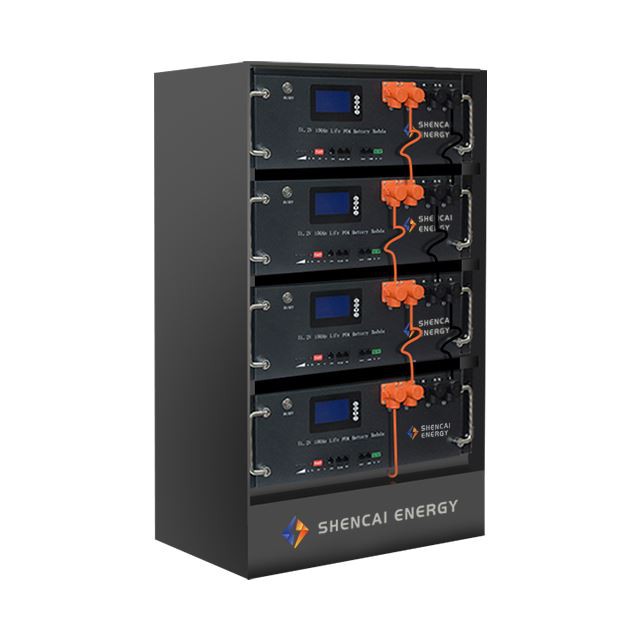
- High - Quality Chargers: A good charger is essential for proper charging. Cheap chargers may not provide the correct voltage or current, which can damage the battery over time.
- Reliable BMS: As mentioned earlier, a reliable BMS is crucial for protecting the battery. Make sure to choose a BMS that is compatible with your battery and has good reviews.
In conclusion, slowing down the aging process of LiFePO4 storage batteries requires a combination of proper temperature management, careful charge - discharge cycles, maintaining the right state of charge, suitable storage conditions, regular maintenance, and the use of quality components. By following these tips, you can significantly extend the lifespan of your LiFePO4 batteries and get the most out of your investment.
If you're interested in our LiFePO4 storage batteries or have any questions about battery aging and maintenance, feel free to reach out to us. We're always here to help you make the best decisions for your energy storage needs. Whether you're looking for a Wall Mounted Battery For House or a larger solar energy storage system, we've got you covered.
References
- Tarascon, J - M., & Armand, M. (2001). Issues and challenges facing rechargeable lithium batteries. Nature, 414(6861), 359 - 367.
- Goodenough, J. B., & Kim, Y. (2010). Challenges for rechargeable Li batteries. Chemistry of Materials, 22(3), 587 - 603.