

In today's era of increasing energy demand and the growing importance of renewable energy sources, house intelligent power storage systems have emerged as a crucial solution for homeowners. As a leading House Intelligent Power Storage supplier, I am excited to delve into the fascinating topic of how these systems communicate with the grid. This communication is not only essential for the efficient operation of the power storage system but also plays a significant role in optimizing energy usage, reducing costs, and contributing to a more sustainable energy future.
The Basics of House Intelligent Power Storage
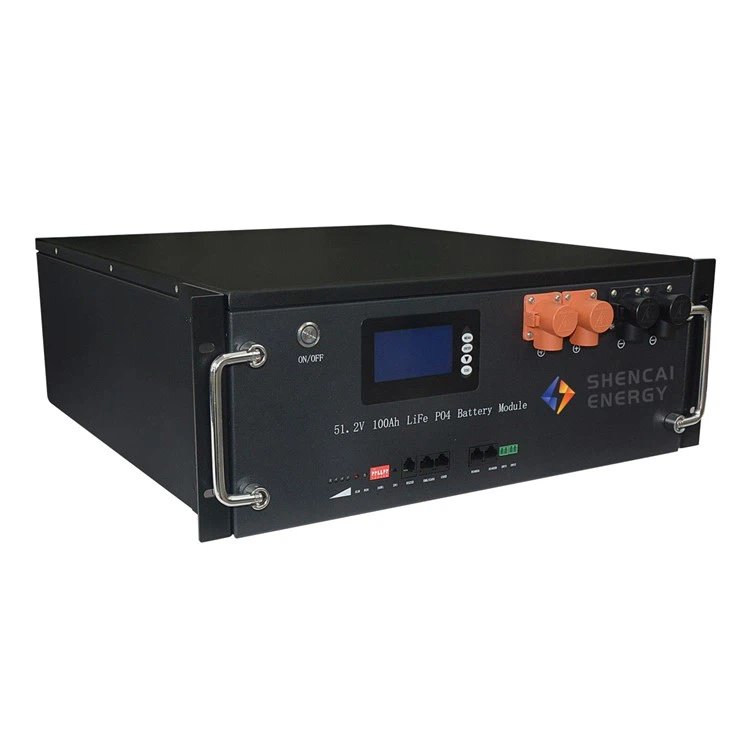
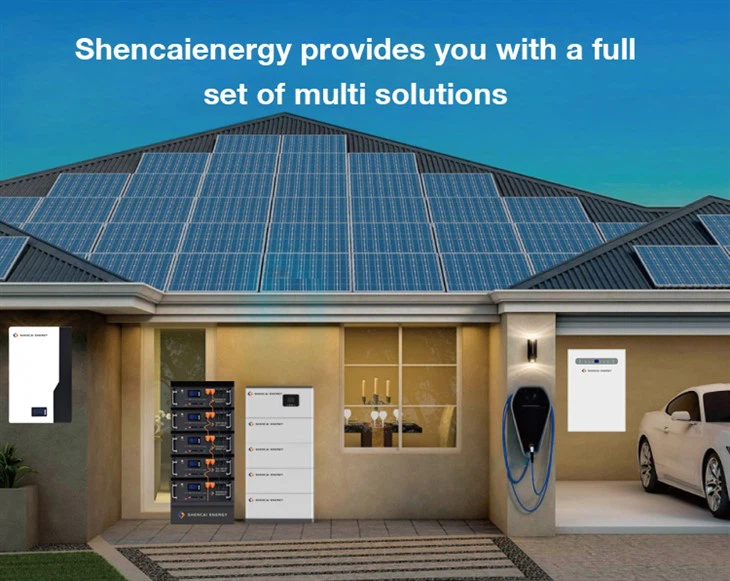
Before we explore the communication aspect, let's briefly understand what house intelligent power storage is. A House Power Storage system typically consists of a battery bank, an inverter, and a control unit. The battery bank stores electrical energy, which can be sourced from various places such as solar panels, the grid, or other renewable energy generators. The inverter converts the direct current (DC) stored in the batteries into alternating current (AC), which is used to power household appliances. The control unit manages the charging and discharging of the batteries, ensuring that the system operates safely and efficiently.
One popular type of house intelligent power storage system is the 10kwh Solar Home Energy Storage System Battery Lithium LiFePO4. This system is designed to work in conjunction with solar panels, storing excess energy generated during the day for use at night or during periods of low solar production. The use of lithium iron phosphate (LiFePO4) batteries offers several advantages, including high energy density, long cycle life, and enhanced safety.
Communication Protocols
The communication between a house intelligent power storage system and the grid is based on specific protocols. These protocols define the rules and standards for data exchange, ensuring that the two systems can understand and interact with each other effectively. Some of the commonly used communication protocols in this field include Modbus, CAN bus, and DNP3.
Modbus is a widely adopted open protocol that allows for the communication between electronic devices. It is relatively simple to implement and is supported by a large number of devices, making it a popular choice for house intelligent power storage systems. The Modbus protocol enables the power storage system to send and receive data such as battery status, charge level, and power flow information to and from the grid.
CAN bus, or Controller Area Network, is another protocol commonly used in automotive and industrial applications. It is known for its high reliability and real - time performance. In the context of house intelligent power storage, CAN bus can be used to communicate between different components within the power storage system, as well as between the system and the grid. It allows for fast and efficient data transfer, which is crucial for the timely response of the power storage system to grid signals.
DNP3, or Distributed Network Protocol 3, is a protocol specifically designed for the electric power industry. It provides a secure and reliable way to communicate between power generation, transmission, and distribution systems. DNP3 enables the house intelligent power storage system to participate in grid - related functions such as demand response, frequency regulation, and voltage control.
Data Exchange and Monitoring
One of the key aspects of the communication between the house intelligent power storage system and the grid is data exchange. The power storage system continuously monitors various parameters such as battery voltage, current, temperature, and state of charge. This data is then sent to the grid operator, who can use it to make informed decisions about power distribution and grid management.
On the other hand, the grid also sends data to the power storage system. For example, the grid operator may send signals indicating the current electricity price, grid frequency, and voltage levels. Based on this information, the power storage system can adjust its charging and discharging behavior accordingly. For instance, if the electricity price is low, the system may charge the batteries from the grid. Conversely, if the price is high, the system can discharge the batteries to supply power to the household, reducing the reliance on the grid.
In addition to real - time data exchange, the power storage system also allows for remote monitoring. Homeowners and grid operators can access the system's data through a web - based interface or a mobile application. This enables them to monitor the system's performance, check the battery status, and receive alerts in case of any issues. Remote monitoring also facilitates proactive maintenance, as potential problems can be detected and addressed before they cause significant disruptions.
Grid Services and Integration
House intelligent power storage systems can provide several valuable services to the grid. One of the most important services is demand response. During periods of high electricity demand, the grid operator can send a signal to the power storage system, requesting it to discharge its stored energy and supply power to the grid. This helps to alleviate the stress on the grid and prevent blackouts.
Frequency regulation is another service that the power storage system can offer. The frequency of the grid needs to be maintained within a narrow range for the proper operation of electrical equipment. The power storage system can quickly adjust its power output in response to changes in grid frequency, helping to stabilize the grid.
Voltage control is also an important aspect of grid integration. The power storage system can inject or absorb reactive power to maintain the voltage levels within the acceptable range. This is particularly important in areas with a high penetration of renewable energy sources, as these sources can cause fluctuations in voltage.
Benefits of Communication with the Grid
The communication between the house intelligent power storage system and the grid brings several benefits. For homeowners, it allows for more efficient energy management. By responding to grid signals and adjusting the charging and discharging behavior of the batteries, homeowners can reduce their electricity bills. They can also increase their energy independence by relying more on stored energy and less on the grid.
For grid operators, the integration of house intelligent power storage systems helps to improve grid stability and reliability. The ability to access real - time data from the power storage systems enables better planning and management of power distribution. It also allows for the integration of more renewable energy sources into the grid, as the power storage systems can store excess energy and release it when needed.
Challenges and Future Developments
Despite the many benefits, there are also some challenges associated with the communication between house intelligent power storage systems and the grid. One of the main challenges is the standardization of communication protocols. With the wide variety of power storage systems and grid infrastructure, ensuring compatibility between different systems can be difficult. There is a need for more unified standards to simplify the integration process.
Another challenge is the security of data communication. As the power storage system and the grid exchange sensitive information, protecting this data from cyber - attacks is of utmost importance. Robust security measures need to be implemented to safeguard the integrity and confidentiality of the data.
Looking to the future, we can expect to see further developments in the communication between house intelligent power storage systems and the grid. The integration of artificial intelligence and machine learning technologies will enable more intelligent and autonomous operation of the power storage systems. These technologies can analyze large amounts of data to predict energy demand, optimize power flow, and improve the overall performance of the system.
Conclusion
As a House Intelligent Power Storage supplier, I am confident in the potential of these systems to revolutionize the way we use and manage energy. The communication between the house intelligent power storage system and the grid is a critical factor in realizing this potential. By enabling efficient data exchange, providing valuable grid services, and integrating seamlessly with the grid, these systems offer a win - win solution for homeowners and grid operators alike.
If you are interested in learning more about our Household Battery Storage solutions or would like to discuss a potential procurement, we invite you to reach out to us. Our team of experts is ready to assist you in finding the best power storage solution for your needs.
References
- Electric Power Research Institute (EPRI). "Grid - Connected Energy Storage Systems: Technologies and Applications."
- IEEE Standards Association. "Standards for Power System Communication and Control."
- International Electrotechnical Commission (IEC). "IEC Standards for Energy Storage Systems."