

Hey there! As a supplier of residential storage batteries, I often get asked about the ideal temperature range for these power - savers. Let's dive right into it.
Residential storage batteries are a game - changer for homeowners. They store energy, usually from solar panels or the grid during off - peak hours, and then provide power when it's needed most. But like any other piece of tech, they're sensitive to temperature.
First off, most residential storage batteries, especially the popular lithium - ion ones, have an optimal operating temperature range. Generally, this range is between 20°C and 25°C (68°F and 77°F). In this sweet spot, the battery can function at its best. The chemical reactions inside the battery happen at an ideal rate, which means better efficiency, longer lifespan, and more reliable performance.
When the temperature gets too high, say above 35°C (95°F), things start to go south. High temperatures can accelerate the degradation of the battery cells. The electrolyte inside the battery, which is crucial for the flow of ions, can break down faster. This leads to a loss of capacity over time. You might notice that your battery doesn't hold as much charge as it used to, and it might even need to be replaced sooner than expected.
On the flip side, cold temperatures are also a problem. When it drops below 0°C (32°F), the battery's performance can take a nosedive. The chemical reactions slow down significantly, which reduces the battery's ability to deliver power. You might find that your battery can't provide as much energy as it normally does, or it might take longer to charge.
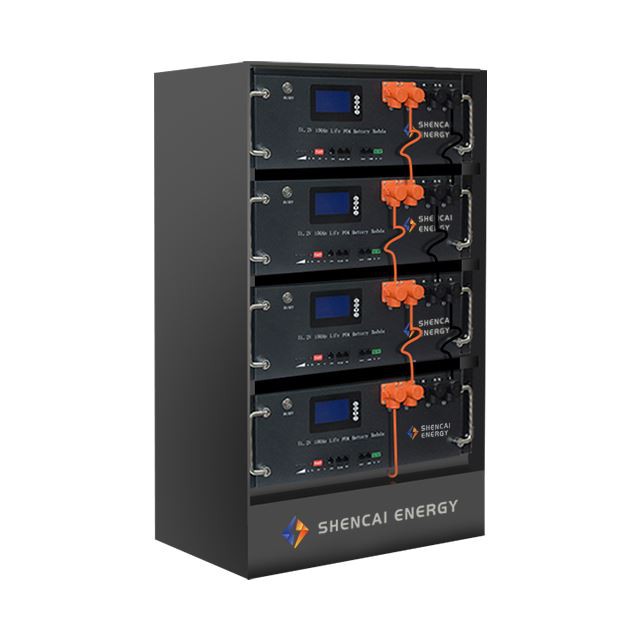

For example, if you live in a place with extremely hot summers, like Arizona, you need to take extra precautions to keep your battery cool. This could mean installing it in a shaded area or using a cooling system. And if you're in a cold climate, like Minnesota, you'll want to insulate the battery or use a heating system to keep it within the optimal temperature range.
Now, let's talk about the different types of residential storage batteries and how they handle temperature. Lithium - iron - phosphate (LiFePO4) batteries are known for their better temperature tolerance compared to other lithium - ion batteries. They can withstand slightly higher and lower temperatures without as much of a negative impact on performance.
Lead - acid batteries, on the other hand, are more sensitive to temperature. They tend to have a shorter lifespan in extreme temperatures. High heat can cause the water in the electrolyte to evaporate, and cold temperatures can reduce their capacity even more severely.
As a supplier, I've seen firsthand the importance of getting the temperature right. That's why we offer a range of products designed to handle different temperature conditions.
Our All - In - One Residential Energy Storage System is a great option for homeowners. It's built with advanced temperature management features to ensure that the battery stays within the optimal range. Whether it's hot or cold outside, this system can keep your power supply stable.
Another popular product is the 10kwh Solar Home Energy Storage System Battery Lithium LiFePO4. With its LiFePO4 technology, it has a better chance of performing well in various temperature conditions. It's a reliable choice for those who want to store solar energy efficiently.
And for those who need a backup power supply, our House UPS Power Supply is a great solution. It can kick in during power outages, and its temperature - resistant design ensures that it's ready when you need it.
So, if you're in the market for a residential storage battery, don't forget to consider the temperature range. It's a crucial factor that can affect the performance and lifespan of your battery. Whether you live in a hot or cold climate, there's a solution out there for you.
If you're interested in learning more about our products or want to discuss your specific needs, don't hesitate to reach out. We're here to help you make the best choice for your home's energy storage.
References
- Battery University. “Temperature Effects on Batteries”.
- Journal of Power Sources. Various studies on battery performance and temperature.