

As a supplier of LiFePO4 Portable Power Stations, I often get asked about the charging speed of these devices. It's a crucial question, especially for users who rely on their power stations to charge various devices quickly, whether they're out in the wilderness or dealing with a power outage at home. In this blog, I'll delve into the factors that influence the charging speed of a LiFePO4 portable power station and provide some insights to help you understand how fast your devices can be charged.
Understanding LiFePO4 Portable Power Stations
Before we discuss the charging speed, let's briefly introduce LiFePO4 Portable Power Stations. LiFePO4, or lithium iron phosphate, is a type of lithium-ion battery known for its high energy density, long cycle life, and excellent safety performance. LiFePO4 Portable Power Station are designed to store electrical energy and provide power to a wide range of devices, such as smartphones, laptops, cameras, and even small appliances.
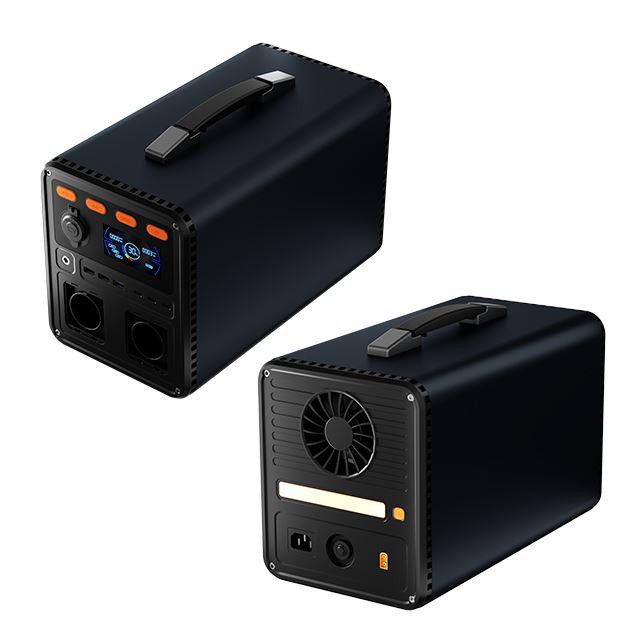
These power stations come with multiple output ports, including USB ports, AC outlets, and DC ports, allowing you to charge different types of devices simultaneously. The charging speed of a device depends on several factors, including the power output of the power station, the input requirements of the device, and the charging technology used.
Factors Affecting Charging Speed
1. Power Output of the Power Station
The power output of a LiFePO4 portable power station is measured in watts (W). It determines how much power the power station can deliver to a device at a given time. The higher the power output, the faster the device can be charged. For example, a power station with a 1000W output can charge a device faster than one with a 500W output, assuming the device can accept the higher power.
Most LiFePO4 portable power stations have multiple output ports with different power ratings. USB ports typically provide lower power, ranging from 5W to 100W, while AC outlets can deliver higher power, up to several thousand watts. When charging a device, make sure to use the appropriate output port with the highest power rating that the device can support.
2. Input Requirements of the Device
The input requirements of a device, such as its charging voltage and current, also play a crucial role in determining the charging speed. Different devices have different charging requirements, and the power station must be able to provide the appropriate voltage and current to charge the device efficiently.
For example, a smartphone typically requires a 5V or 9V charging voltage and a current of 1A to 3A. If the power station can provide a higher voltage and current, the smartphone can be charged faster. However, it's important to note that not all devices support fast charging, and using a higher voltage or current than the device can handle may damage the device.

3. Charging Technology
The charging technology used by the power station and the device can also affect the charging speed. Many modern devices support fast charging technologies, such as Qualcomm Quick Charge, USB Power Delivery (PD), and Apple Fast Charge. These technologies allow the device to charge at a higher voltage and current, significantly reducing the charging time.
When choosing a LiFePO4 portable power station, look for one that supports the fast charging technologies used by your devices. This will ensure that you can take advantage of the fast charging capabilities of your devices and charge them as quickly as possible.
4. Battery Capacity of the Device
The battery capacity of the device, measured in ampere-hours (Ah) or watt-hours (Wh), also affects the charging time. A device with a larger battery capacity will take longer to charge than one with a smaller battery capacity, assuming the same charging power.
For example, a laptop with a 50Wh battery will take longer to charge than a smartphone with a 5Wh battery, even if both are charged using the same power station. It's important to consider the battery capacity of your devices when estimating the charging time.
Charging Speed Examples
To give you a better idea of how fast a LiFePO4 portable power station can charge different devices, here are some examples:
Charging a Smartphone
A typical smartphone with a 3000mAh battery can be charged from 0% to 100% in about 1 to 2 hours using a power station with a 10W USB port. If the power station supports fast charging technologies, such as USB PD, the charging time can be reduced to less than an hour.
Charging a Laptop
A laptop with a 50Wh battery can be charged from 0% to 100% in about 2 to 3 hours using a power station with a 65W AC outlet. If the power station supports fast charging technologies, such as USB PD 3.0, the charging time can be reduced to about 1 to 2 hours.
Charging a Camera
A camera with a 1000mAh battery can be charged from 0% to 100% in about 1 to 2 hours using a power station with a 5W USB port. If the camera supports fast charging, the charging time can be reduced.
Tips for Faster Charging
1. Use the Appropriate Output Port
As mentioned earlier, make sure to use the appropriate output port with the highest power rating that the device can support. This will ensure that the device receives the maximum amount of power and charges as quickly as possible.
2. Turn off the Device
Turning off the device while charging can significantly reduce the charging time. When the device is turned on, it consumes some of the power being used to charge the battery, which slows down the charging process.
3. Avoid Using the Device While Charging
Using the device while charging can also slow down the charging process. When the device is in use, it generates heat, which can affect the charging efficiency and increase the charging time.
4. Keep the Power Station Cool
LiFePO4 batteries perform best at moderate temperatures. Keeping the power station cool can help maintain its charging efficiency and reduce the charging time. Avoid exposing the power station to direct sunlight or high temperatures.
Our Product Recommendations
At our company, we offer a wide range of LiFePO4 Portable Power Stations with different power outputs and features to meet the needs of our customers. One of our popular products is the Hot Sale1008wh Home Outdoor Solar Power Bank, which has a high-capacity battery and multiple output ports, including USB ports, AC outlets, and DC ports. It supports fast charging technologies, such as USB PD, and can charge your devices quickly and efficiently.
We also offer Portable Solar Generators that can be charged using solar panels, providing a sustainable and renewable source of power. These generators are ideal for outdoor activities, such as camping, hiking, and RVing.
Contact Us for Purchase and Negotiation
If you're interested in purchasing our LiFePO4 Portable Power Stations or have any questions about our products, please feel free to contact us. We're committed to providing high-quality products and excellent customer service. Our team of experts will be happy to assist you and help you choose the right power station for your needs.
References
- Battery University: https://batteryuniversity.com/
- Energy.gov: https://www.energy.gov/