

Hey there! As a LiFePO4 storage battery supplier, I get asked a ton about how to pick the right capacity for these batteries. It's a crucial decision, and in this blog, I'll break down the key factors to consider so you can make an informed choice.
First off, let's understand what LiFePO4 batteries are all about. Lithium Iron Phosphate (LiFePO4) batteries are known for their high energy density, long cycle life, and excellent safety features. They're widely used in various applications, from solar power storage to electric vehicles.
Understanding Your Energy Needs
The very first step in choosing the right capacity is to figure out how much energy you actually need. This involves looking at your daily energy consumption. You can check your electricity bills to get an idea of your average daily usage in kilowatt - hours (kWh).
Let's say you're using your battery for a home solar power system. If your home consumes around 10 kWh of electricity per day, you'll need a battery that can store at least that amount of energy. But it's not that simple. You also need to consider factors like peak usage times. Maybe you use a lot of appliances in the evening, so you'll need a battery that can handle those high - demand periods.
Power Requirements of Your Devices
Another important aspect is the power requirements of the devices you'll be connecting to the battery. Different devices have different power ratings, measured in watts (W). For example, a small LED light might only use 5 - 10 W, while a refrigerator could use 100 - 200 W.
If you have multiple devices, you need to add up their power ratings to get the total power demand. And remember, some devices, like motors, may have a higher starting power requirement than their running power. So, when sizing your battery, it's better to err on the side of caution and account for these peak power demands.
Battery Depth of Discharge (DoD)
The depth of discharge is how much of the battery's capacity you can actually use. For LiFePO4 batteries, a common DoD is around 80 - 90%. This means that if you have a 100Ah battery, you can safely use 80 - 90Ah of its capacity without significantly affecting its lifespan.
So, when calculating the required battery capacity, you need to take the DoD into account. If your daily energy need is 10 kWh and you're using a 48V battery with a 90% DoD, you'll need to calculate the battery capacity accordingly. First, convert the energy need to amp - hours. Using the formula (E = V\times I\times t) (where (E) is energy in watt - hours, (V) is voltage, (I) is current in amps, and (t) is time in hours), we can find the required amp - hours.
Charge and Discharge Rates
The charge and discharge rates of the battery also play a role in capacity selection. The charge rate determines how quickly the battery can be charged, while the discharge rate determines how quickly it can supply power.
If you have a fast - charging solar panel system, you'll need a battery that can handle the high - charge rate. Similarly, if you have high - power devices that need a lot of energy quickly, you'll need a battery with a high - discharge rate.
Future Expansion
Think about your future energy needs. Maybe you're planning to add more appliances or expand your solar power system in the future. In that case, it's a good idea to choose a battery with a slightly larger capacity than your current needs. This way, you won't have to replace the battery when you make these expansions.
Types of LiFePO4 Batteries and Their Capacities
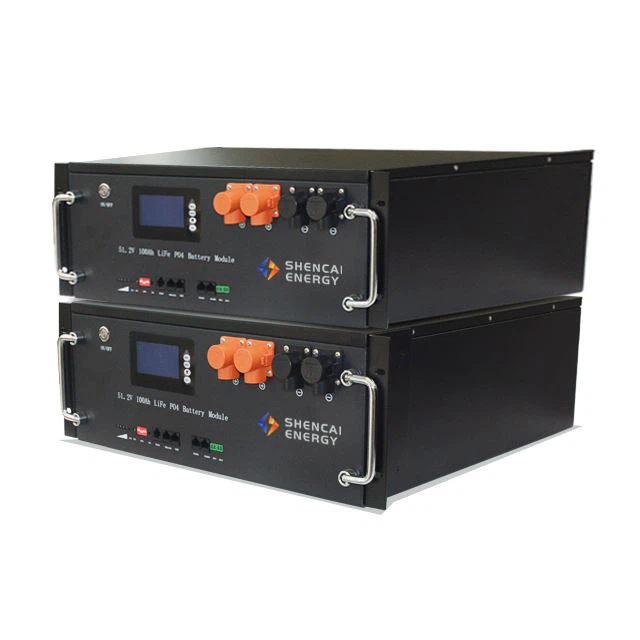
There are different types of LiFePO4 batteries available in the market. For example, we offer Wholesale Rack Mounted 48V 100AH 200AH Lifepo4 Solar Battery Pack. These rack - mounted batteries are great for solar power systems and can be easily installed in a rack.
We also have Stacked Home Energy Storage Systems. These systems are modular, which means you can stack multiple batteries to increase the overall capacity. This is a great option if you need a large - capacity battery and want the flexibility to expand in the future.
Another option is the 5KWh 48V 100AH Server Rack Lithium Battery. This battery is designed for server racks and can provide a reliable power source for critical equipment.
Cost Considerations
Of course, cost is always a factor. Generally, larger - capacity batteries cost more. But you also need to consider the long - term cost. A high - quality LiFePO4 battery with a larger capacity may have a higher upfront cost but can save you money in the long run due to its longer lifespan and better performance.
Making the Decision
After considering all these factors, you should have a good idea of the right capacity for your LiFePO4 battery. If you're still not sure, don't hesitate to reach out to us. We have a team of experts who can help you analyze your energy needs and recommend the best battery for your situation.
We're here to make sure you get the most out of your LiFePO4 battery. Whether you're a homeowner looking to store solar energy or a business owner in need of a reliable power backup, we've got the right solution for you.
If you're interested in purchasing our LiFePO4 batteries or want to discuss your specific requirements, feel free to contact us. We're ready to assist you in finding the perfect battery capacity for your needs.

References
- Battery University: A great resource for understanding battery technology and capacity calculations.
- Electrical textbooks for general knowledge on power and energy concepts.