

Hey there! As a supplier of house power storage systems, I often get asked how to evaluate the performance of these systems. It's a crucial question, especially for homeowners looking to invest in a reliable and efficient energy storage solution. In this blog post, I'll share some key factors to consider when evaluating a house power storage system.
Capacity
The first thing you need to look at is the capacity of the system. Capacity refers to the amount of energy the battery can store, usually measured in kilowatt - hours (kWh). Think about your household's energy consumption. If you have a large family with lots of energy - hungry appliances like air conditioners, electric heaters, and multiple electronics, you'll need a system with a higher capacity.
For example, if your average daily energy consumption is around 20 kWh, a system with a capacity of at least 20 kWh or more would be ideal to meet your needs during power outages or when solar energy isn't sufficient. You can check out our Stacked Home Energy Storage Systems which come in various capacities to suit different household requirements.
Efficiency
Efficiency is another vital aspect. It's all about how well the system can convert and store energy. A highly efficient system will waste less energy during the charging and discharging process. When a battery charges, some energy is lost as heat, and the same happens when it discharges. The efficiency of a house power storage system is usually expressed as a percentage.
A good system should have an efficiency of at least 80 - 90%. Higher efficiency means you're getting more bang for your buck, as you're using more of the energy you've stored. Our Wholesale Rack Mounted 48V 100AH 200AH Lifepo4 Solar Battery Pack is designed with high - efficiency in mind, ensuring that you make the most of your stored energy.
Cycle Life
Cycle life refers to the number of charge - discharge cycles a battery can go through before its capacity significantly degrades. A charge - discharge cycle is when you fully charge the battery and then fully discharge it. The more cycles a battery can handle, the longer it will last.
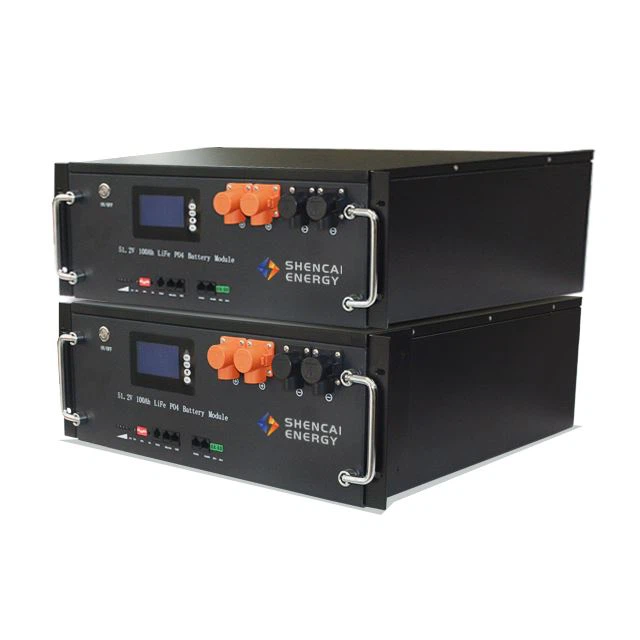
For a house power storage system, you want a battery with a long cycle life. Lithium - iron - phosphate (LiFePO4) batteries, like our LiFePO4 House Battery Storage, typically have a longer cycle life compared to other battery chemistries. They can often handle thousands of cycles, which means they can serve your household for many years without needing frequent replacements.

Charge and Discharge Rates
The charge and discharge rates tell you how quickly the battery can be charged and how fast it can release energy. The charge rate is measured in amperes (A) or kilowatts (kW), and it determines how long it takes to fully charge the battery. A higher charge rate means you can charge the battery more quickly.
The discharge rate is also important, especially during power outages. If you have high - power appliances that need to be run immediately, a system with a high discharge rate can provide the necessary power. When evaluating a system, make sure the charge and discharge rates match your household's usage patterns.
Depth of Discharge (DoD)
Depth of discharge is the percentage of the battery's capacity that has been used. For example, if a battery has a capacity of 10 kWh and you've used 5 kWh, the DoD is 50%. Some batteries can handle a high DoD without significant damage, while others need to be kept at a lower DoD to maintain their lifespan.
LiFePO4 batteries are known for being able to handle a high DoD. Our LiFePO4 house battery storage systems allow for a relatively high DoD, which means you can use more of the stored energy without worrying too much about reducing the battery's lifespan.
Safety Features
Safety should never be overlooked. A good house power storage system should have multiple safety features. These can include over - charge protection, which prevents the battery from being over - charged and potentially catching fire or exploding. Over - discharge protection is also crucial, as it stops the battery from being discharged too much, which can damage the battery cells.
Thermal management is another important safety feature. It helps to keep the battery at an optimal temperature, as extreme temperatures can affect the battery's performance and safety. Our systems are designed with top - notch safety features to give you peace of mind.
Compatibility
The system should be compatible with your existing power sources, such as solar panels or the grid. If you have a solar power system, the house power storage system should be able to work seamlessly with it. It should be able to charge from the solar panels efficiently and also integrate well with the grid for times when solar energy isn't enough.
Check the system's specifications to ensure it can work with your specific setup. Our team can also help you determine the compatibility of our systems with your existing energy infrastructure.
Cost - Effectiveness
Finally, cost - effectiveness is a major consideration. You need to look at the upfront cost of the system, as well as the long - term costs. A more expensive system might have better performance and a longer lifespan, which could save you money in the long run.
Compare the prices of different systems based on their features, capacity, and expected lifespan. Don't just go for the cheapest option, as it might not meet your needs or last as long.
In conclusion, evaluating the performance of a house power storage system involves looking at multiple factors such as capacity, efficiency, cycle life, charge and discharge rates, DoD, safety features, compatibility, and cost - effectiveness. By considering all these aspects, you can make an informed decision and choose a system that's right for your home.
If you're interested in purchasing a high - quality house power storage system, we'd love to have a chat with you. Contact us to start the procurement discussion and find the perfect solution for your energy storage needs.
References
- Industry standards and best practices for house power storage systems.
- Manufacturer specifications and data sheets for relevant products.