

Alright, folks! As a supplier of LiFePO4 house battery storage, I've been getting a ton of questions lately about the capacity of these bad boys. So, let's dig in and break it all down.
First off, let's talk about what LiFePO4 is. LiFePO4, or lithium iron phosphate, is a type of lithium - ion battery. It's become super popular for house battery storage because it's safe, has a long lifespan, and is pretty efficient. Unlike some other lithium - ion chemistries, LiFePO4 doesn't overheat easily, which is a huge plus when you're using it to store energy in your home.
Now, onto the capacity. The capacity of a LiFePO4 house battery storage is basically how much energy it can hold. It's measured in kilowatt - hours (kWh). Think of it like a water tank. The capacity tells you how much "energy water" the battery can store.
The capacity you need depends on a bunch of things. Your household energy consumption is a biggie. If you're a family of five with lots of electronics, appliances running non - stop, and maybe an electric vehicle charging at home, you're going to need a larger capacity battery. On the other hand, if you're a single person living in a small apartment with minimal energy usage, a smaller capacity battery might do the trick.
Another factor is your purpose for having the battery. Are you using it as a backup during power outages? Then you might only need enough capacity to run essential appliances like your fridge, a few lights, and a charger for your phone. But if you're looking to go off - grid or to rely more on renewable energy sources like solar panels, you'll want a battery with a higher capacity to store all that extra energy when the sun is shining.
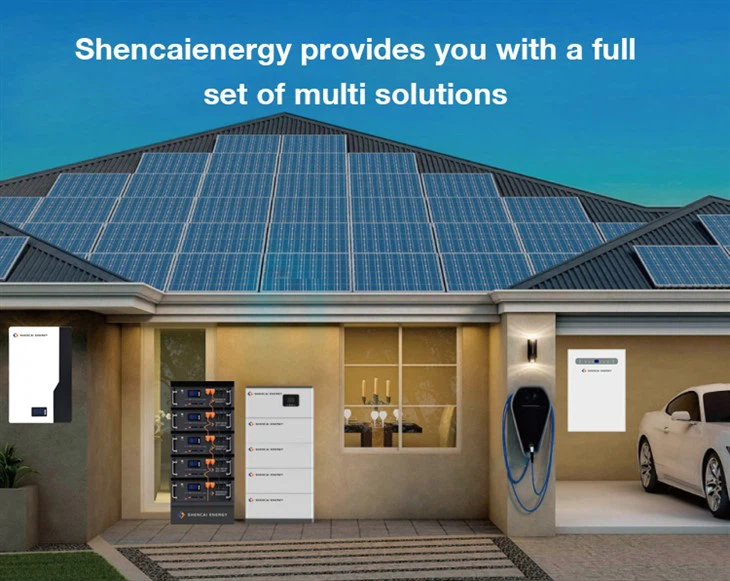

Let's look at some common capacity ranges. You can find LiFePO4 house battery storages with capacities starting from around 2 kWh to as high as 30 kWh or even more. A 2 - 5 kWh battery is often a good choice for small apartments or as a basic backup for minimalist households. It can keep your essentials running for a few hours during a power outage.
For a medium - sized family home, a battery with a capacity of 5 - 15 kWh is more appropriate. This can handle a wider range of appliances and keep your home functioning fairly normally during an outage or when the grid isn't available. For larger homes or those aiming for complete energy independence, batteries with capacities of 15 kWh and above are the way to go.
But it's not just about choosing a big capacity. You also need to consider the power output of the battery. The power output is measured in kilowatts (kW) and tells you how much energy the battery can deliver at once. For example, if you have a high - power appliance like an electric oven that needs 5 kW to run, your battery needs to be able to provide at least that much power.
When you're shopping for a LiFePO4 house battery storage, remember to check out Wall Mounted Battery For House. These are great if you're short on floor space. They can be neatly mounted on a wall, saving you some valuable real estate in your home.
Also, take a look at the All - In - One Residential Energy Storage System. These systems come with everything you need in one package, making installation and management a breeze. And don't forget about Household Battery Storage, which offers a wide range of options to suit different needs.
As you're thinking about the capacity, keep in mind the depth of discharge (DoD). LiFePO4 batteries can usually handle a high DoD, often up to 90% or more. This means you can use a large portion of the stored energy without damaging the battery. But it's still a good idea to leave a little bit of energy in the battery to extend its lifespan.
Another thing to consider is the charging time. The time it takes to charge your battery depends on the charger's power and the battery's capacity. A larger capacity battery will generally take longer to charge. You might want to invest in a fast - charging system if you need to replenish your battery's energy quickly.
Now, I know all this can seem a bit overwhelming. But that's where we come in. As a LiFePO4 house battery storage supplier, we've got the knowledge and experience to help you choose the right capacity battery for your home. Whether you're a first - time buyer or looking to upgrade your existing system, we can guide you through the process.
If you're interested in learning more, or if you're ready to start the procurement process, don't hesitate to reach out to us. We're here to have a chat, answer all your questions, and help you make the best decision for your energy needs.
So, in summary, the capacity of LiFePO4 house battery storage can vary widely, and the right one for you depends on your household energy consumption, your goals for energy usage (backup or off - grid), and other factors like power output and DoD. Take the time to assess your needs, and we'll be here to support you every step of the way.
References:
- Basic knowledge of LiFePO4 batteries from industry workshops.
- Energy consumption data for different household sizes from research institutions.