

Yo! I'm a supplier of home storage batteries, and today I'm gonna chat about how these nifty devices store energy. It's a super important topic, especially in a world where more and more folks are looking to use renewable energy sources and have a reliable power backup at home.
First off, let's break down the basics of a home storage battery. At its core, a home storage battery is like a big energy bank. You can deposit energy into it when you have extra and then withdraw it when you need it. But how exactly does it store that energy? Well, most modern home storage batteries use lithium - ion technology, which is pretty awesome for a bunch of reasons.
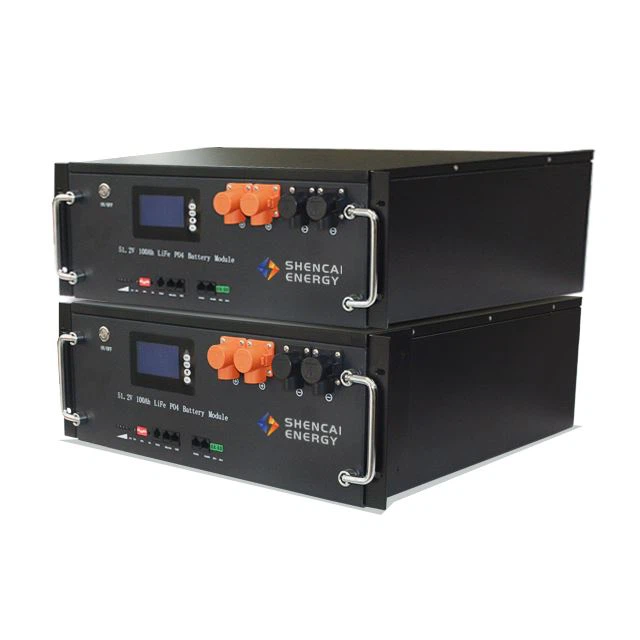

Lithium - ion batteries work based on the movement of lithium ions between two electrodes: the anode and the cathode. When you're charging the battery, an external power source, like solar panels or the grid, pushes electrons into the battery. These electrons are accompanied by lithium ions. The lithium ions travel from the cathode through an electrolyte solution to the anode. The anode is usually made of graphite, which can absorb and store these lithium ions.
Think of it like a game of musical chairs for lithium ions. During charging, they're all moving from one "chair" (the cathode) to another (the anode). The electrolyte in the battery acts like the pathway for these ions to move. It's a special liquid or gel that allows the ions to travel freely but stops the electrons from flowing directly between the electrodes. This forced movement of electrons through an external circuit is what can be harnessed to power our devices.
When you need to use the energy stored in the battery, like at night when your solar panels aren't producing electricity, the process reverses. The lithium ions move back from the anode to the cathode. As they do this, they release electrons. These electrons flow through an external circuit, creating an electric current that can be used to power lights, appliances, and other stuff in your home.
Now, let's talk about the different types of home storage batteries that I supply. One of the cool options I've got is the Stacked Home Energy Storage Systems Stacked Home Energy Storage Systems. These are great for folks who need a lot of energy storage. You can stack multiple battery units together, kind of like building blocks. This way, you can customize the amount of energy storage based on your specific needs. Whether you have a small home or a large one with lots of power - hungry appliances, these stacked systems can be adjusted to fit the bill.
Another popular product is the 320Ah Lifepo4 Solar Energy Storage Battery Case 320Ah Lifepo4 Solar Energy Storage Battery Case. Lithium iron phosphate (Lifepo4) batteries are known for their long lifespan and high safety. The 320Ah capacity means it can store a decent amount of energy from your solar panels. It's also designed to be stackable, so you can combine multiple cases for more storage.
And then there's the All In One Solar System Inverter 5kw Lithium Battery Home Energy Storage Systems 10kwh 5kwh All In One Solar System Inverter 5kw Lithium Battery Home Energy Storage Systems 10kwh 5kwh. This all - in - one system is a real game - changer. It not only stores energy from your solar panels but also comes with an inverter. The inverter is crucial because it converts the direct current (DC) electricity stored in the battery into alternating current (AC) electricity, which is what most of our home appliances use.
One thing that makes these home storage batteries so great is their ability to manage energy flow efficiently. They can be connected to your home's electrical system and a smart energy management system. This system can monitor your energy usage, the amount of energy being generated by your solar panels, and the state of charge of the battery. Based on this information, it can decide when to charge the battery, when to use the stored energy, and when to draw power from the grid.
For example, during the day when your solar panels are producing more electricity than you're using, the excess energy can be automatically sent to the battery for storage. Then, when the sun goes down and your panels stop producing, the system can switch to using the stored energy in the battery instead of drawing power from the grid. This can save you a ton of money on your electricity bills in the long run.
Another advantage of home storage batteries is their role in providing backup power. In case of a power outage, your battery can kick in and keep the essential parts of your home running. You won't have to worry about losing power to your fridge, freezer, or medical equipment. It gives you peace of mind knowing that you have a reliable source of energy even when the grid goes down.
But like any technology, home storage batteries do have some limitations. The upfront cost can be a bit high. You're not only paying for the battery itself but also for the installation and any additional equipment like inverters. However, the long - term savings on electricity bills and the added value of backup power can make it a worthwhile investment.
Also, the lifespan of a battery is something to consider. While modern lithium - ion batteries can last for many years, they do degrade over time. The number of charge - discharge cycles a battery can handle affects its lifespan. But with proper maintenance and a good quality battery, you can expect it to serve you well for a long time.
If you're thinking about getting a home storage battery, there are a few things to keep in mind. First, assess your energy needs. How much electricity do you use on a daily basis? Do you have a lot of high - energy appliances? This will help you determine the right size and capacity of the battery for your home.
Second, consider the source of your energy. If you have solar panels, a battery can be a great complement to store the excess energy. If you rely mainly on the grid, a battery can still be useful for backup power and to take advantage of off - peak electricity rates.
Finally, make sure to choose a reliable supplier. That's where I come in! I've got a wide range of high - quality home storage batteries that are designed to meet different needs and budgets. Whether you're looking for a small, basic system or a large, advanced one, I can help you find the right solution for your home.
If you're interested in learning more about our home storage batteries or want to discuss a potential purchase, don't hesitate to reach out. We can have a chat about your energy requirements and figure out the best option for you. Let's work together to make your home more energy - efficient and reliable!
References
- Battery University: A great resource for in - depth information on battery technology and how it works.
- Solar Power World: Offers insights into the solar and energy storage industry, including the latest trends in home storage batteries.