

When it comes to home energy storage systems, one of the key decisions homeowners face is whether to choose an AC - coupled or DC - coupled system. As a seasoned home energy storage system supplier, I've seen firsthand the impact of this choice on a home's energy efficiency, cost - effectiveness, and overall performance. In this blog, I'll delve into the differences between AC - coupled and DC - coupled home energy storage systems to help you make an informed decision.
AC - Coupled Home Energy Storage Systems
AC - coupled home energy storage systems are a popular choice for many homeowners. In an AC - coupled setup, the energy storage system is connected to the home's electrical system at the AC side. This means that the electricity generated by solar panels or other renewable energy sources first passes through an inverter to convert it from DC (direct current) to AC (alternating current) before it can be used in the home or stored in the battery.
One of the main advantages of AC - coupled systems is their flexibility. They can be easily retrofitted to existing solar installations. If you already have a solar power system in place and want to add energy storage later, an AC - coupled system is a great option. You don't need to make significant changes to your existing solar setup, as the energy storage system can be connected to the AC output of your inverter.
Another benefit is the ability to work with different types of inverters. AC - coupled systems can integrate with a wide range of inverters, including string inverters and microinverters. This allows homeowners to choose the inverter that best suits their specific needs and budget. For example, if you have a large - scale solar installation, a string inverter might be more cost - effective, while a microinverter could be a better choice for a smaller, more distributed solar array.
However, AC - coupled systems also have some drawbacks. One of the main disadvantages is the additional conversion losses. Since the electricity has to be converted from DC to AC and then back to DC for storage, there are some energy losses in the process. This can reduce the overall efficiency of the system. Additionally, AC - coupled systems may require more complex control systems to manage the flow of electricity between the solar panels, the battery, and the grid.
If you're interested in learning more about household battery storage options, you can visit our Household Battery Storage page.
DC - Coupled Home Energy Storage Systems
In contrast, DC - coupled home energy storage systems connect directly to the DC side of the solar power system. In this setup, the electricity generated by the solar panels is sent directly to the battery for storage without first being converted to AC. This means that the battery can charge more efficiently, as there are fewer conversion steps involved.
One of the biggest advantages of DC - coupled systems is their higher efficiency. Since there are fewer conversion losses, more of the energy generated by the solar panels can be stored in the battery. This can result in a more cost - effective energy storage solution over the long term. DC - coupled systems also tend to have simpler control systems, as there is less complexity in managing the flow of electricity.
DC - coupled systems are also well - suited for off - grid applications. If you live in a remote area or want to be completely independent from the grid, a DC - coupled system can provide a reliable source of energy. The direct connection between the solar panels and the battery allows for a more seamless integration of the energy storage system with the solar power system.
However, DC - coupled systems also have some limitations. They are less flexible when it comes to retrofitting existing solar installations. If you already have a solar power system in place, adding a DC - coupled energy storage system may require significant changes to your existing setup, including replacing the inverter. This can be more expensive and time - consuming.
Another potential drawback is the limited compatibility with different types of inverters. DC - coupled systems typically require a specific type of inverter that is designed to work with the DC - coupled configuration. This can limit your options when it comes to choosing an inverter.
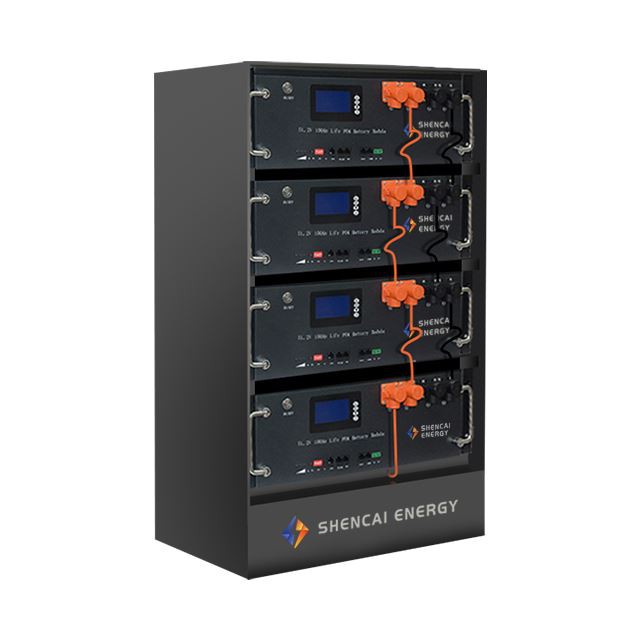
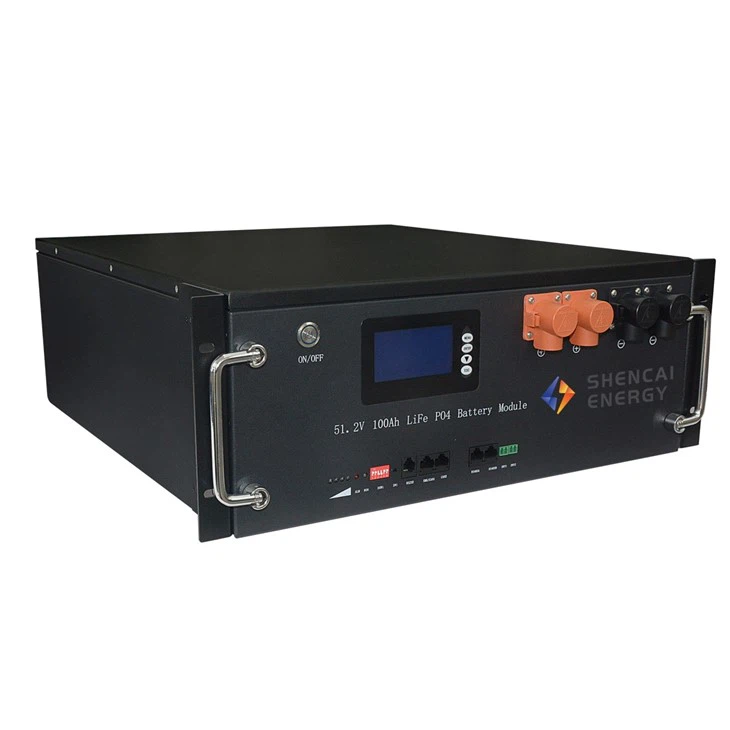
For more information on our 10kwh Solar Home Energy Storage System Battery Lithium LiFePO4, which can be used in both AC - and DC - coupled systems, feel free to visit our website.
Comparison of Key Features
Let's take a closer look at some of the key features and compare AC - coupled and DC - coupled home energy storage systems:
Efficiency
As mentioned earlier, DC - coupled systems generally have higher efficiency due to fewer conversion steps. The direct connection between the solar panels and the battery allows for more efficient charging and discharging of the battery. AC - coupled systems, on the other hand, have additional conversion losses, which can reduce their overall efficiency.
Flexibility
AC - coupled systems are more flexible when it comes to retrofitting existing solar installations. They can be easily added to an existing solar power system without significant changes. DC - coupled systems, however, are less flexible in this regard and may require more extensive modifications to the existing setup.
Cost
The cost of an energy storage system depends on several factors, including the size of the system, the type of battery, and the installation requirements. In general, AC - coupled systems may be more cost - effective for retrofitting existing solar installations, as they don't require as many changes to the existing setup. DC - coupled systems may be more expensive upfront, especially if you need to replace the inverter. However, the higher efficiency of DC - coupled systems may result in lower long - term costs.
Compatibility
AC - coupled systems can work with a wider range of inverters, including string inverters and microinverters. This gives homeowners more options when it comes to choosing an inverter. DC - coupled systems, on the other hand, typically require a specific type of inverter that is designed for DC - coupled applications.
Which System is Right for You?
The choice between an AC - coupled and a DC - coupled home energy storage system depends on several factors, including your existing solar installation, your budget, and your energy needs.
If you already have a solar power system in place and want to add energy storage without making significant changes to your existing setup, an AC - coupled system may be the best choice. It offers flexibility and can work with a variety of inverters. However, if you're building a new solar power system or want to maximize the efficiency of your energy storage system, a DC - coupled system may be more suitable.
We offer a wide range of Residential Storage Batteries that can be used in both AC - and DC - coupled systems. Our team of experts can help you determine which system is right for your home and provide you with a customized solution.
Conclusion
In conclusion, both AC - coupled and DC - coupled home energy storage systems have their own advantages and disadvantages. As a home energy storage system supplier, we understand that every homeowner's situation is unique. That's why we're committed to providing personalized solutions that meet your specific needs and budget.
If you're interested in learning more about our home energy storage systems or have any questions about the difference between AC - coupled and DC - coupled systems, we encourage you to reach out to us. Our team of experts is here to help you make an informed decision and guide you through the process of installing an energy storage system in your home. Whether you're looking for a more efficient way to store solar energy or want to be more independent from the grid, we have the solutions you need.
References
- "Energy Storage Systems for Residential Applications", Journal of Renewable Energy Research
- "Comparison of AC - Coupled and DC - Coupled Energy Storage Systems", International Journal of Sustainable Energy