

Yo, what's up everyone! As a supplier of residential storage batteries, I've seen firsthand how high temperatures can really mess with these powerhouses. Let's dig into what high temps mean for our home battery setups.
First off, let's talk about how high temperatures affect the performance of residential storage batteries. Batteries are like little energy banks, and just like any bank, they have their limits. When it gets too hot, the chemical reactions inside the battery speed up. This might sound like a good thing at first, but it's actually a double - edged sword.
For lithium - ion batteries, which are super common in House UPS Power Supply, high temperatures can cause the electrolyte inside the battery to break down faster. The electrolyte is like the lifeblood of the battery, allowing ions to move between the electrodes. When it breaks down, the battery's ability to store and release energy is compromised. You might notice that your battery doesn't hold a charge as long as it used to. For example, if you usually rely on your battery to power your lights and small appliances during a power outage for a few hours, in high - temperature conditions, that time could be cut in half.
Another issue is self - discharge. Batteries naturally lose some of their charge over time, but high temperatures can accelerate this process. So, even when you're not using your battery, it's losing energy at a faster rate. This is a real bummer because you're essentially paying for energy that's just disappearing into thin air.
Now, let's consider the impact on the lifespan of residential storage batteries. Batteries are a significant investment, and we all want them to last as long as possible. High temperatures are like a silent killer for battery lifespan. The increased chemical activity at high temps causes more wear and tear on the battery's components.
The electrodes in the battery can degrade faster. In lead - acid batteries, for instance, high heat can cause the lead plates to warp and shed active material. This reduces the battery's capacity and overall performance over time. And once the capacity starts to decline, it's a slippery slope. You'll need to replace the battery sooner than you'd like, which can be a costly affair.
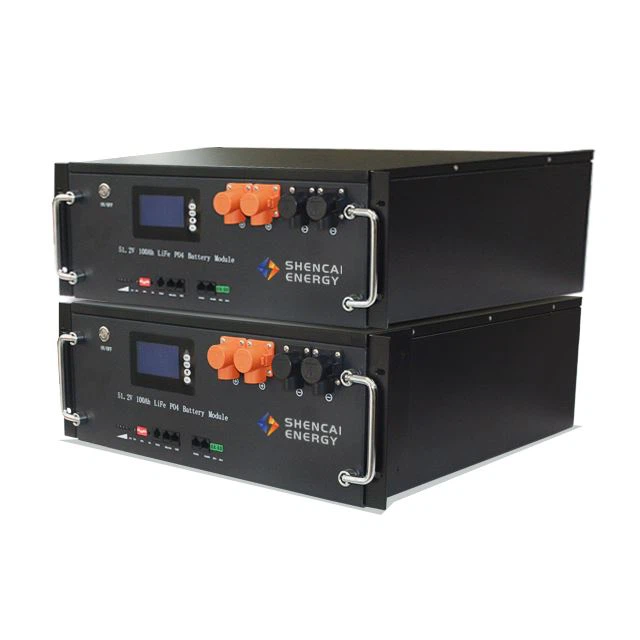

For Stacked Home Energy Storage Systems, which often use multiple battery modules, high temperatures can also lead to uneven aging among the modules. Some modules might degrade faster than others, which can throw off the balance of the entire system. This not only shortens the lifespan of the individual modules but can also cause the whole system to fail prematurely.
Safety is another major concern when it comes to high temperatures and residential storage batteries. Batteries can overheat, and in extreme cases, this can lead to thermal runaway. Thermal runaway is a chain reaction where the heat generated by the battery causes even more heat, and it can quickly get out of control. This can result in the battery catching fire or even exploding.
Lithium - ion batteries are particularly susceptible to thermal runaway at high temperatures. If the battery's thermal management system fails to keep the temperature in check, things can go south real fast. And let's not forget about the potential damage to your home and the risk to your family's safety. It's definitely not something you want to mess around with.
But it's not all doom and gloom. There are ways to mitigate the impact of high temperatures on residential storage batteries. One of the most effective ways is proper ventilation. Make sure your battery is installed in a well - ventilated area. This allows heat to dissipate more easily, keeping the battery at a more stable temperature.
You can also invest in a battery with a good thermal management system. Some Wall Mounted Battery For House come with built - in cooling mechanisms that can regulate the temperature inside the battery. These systems can help prevent overheating and extend the battery's lifespan.
Another option is to install your battery in a shaded area or use insulation to protect it from direct sunlight. This can significantly reduce the amount of heat the battery absorbs, especially during the hot summer months.
As a supplier of residential storage batteries, I know how important it is to understand these issues. We want our customers to get the most out of their batteries, both in terms of performance and lifespan. And with the increasing demand for home energy storage, especially in areas with unreliable power grids or high electricity costs, it's crucial to address the challenges posed by high temperatures.
If you're in the market for a residential storage battery, don't just focus on the price and capacity. Consider how well the battery can handle high temperatures. Look for batteries with good thermal management features and read reviews from other customers who have used the battery in similar climate conditions.
If you have any questions about how high temperatures might affect the batteries we offer or if you're interested in learning more about our products, don't hesitate to reach out. We're here to help you make the best decision for your home energy needs. Whether you're looking for a House UPS Power Supply to keep your essentials running during an outage or a Stacked Home Energy Storage Systems to store excess solar energy, we've got you covered. Let's start a conversation and find the perfect battery solution for you.
References
- Battery University: A comprehensive resource on battery technology and performance, including the effects of temperature on batteries.
- Journal of Power Sources: Research articles on battery performance, degradation, and safety, with a focus on high - temperature conditions.