

In the realm of renewable energy and off - grid living, house battery storage systems have emerged as a cornerstone technology. As a supplier of high - quality House Battery Storage Systems, I often encounter a crucial question from customers: "What is the maximum number of charge - discharge cycles for house battery storage systems?" This question is not only fundamental to understanding the longevity of the batteries but also has a significant impact on the overall cost - effectiveness and reliability of a home energy storage setup.
Understanding Charge - Discharge Cycles
Before delving into the maximum number of charge - discharge cycles, it's essential to clarify what a charge - discharge cycle actually means. A single charge - discharge cycle occurs when a battery is fully charged from a depleted state and then completely discharged back to its lowest usable level. In real - world scenarios, however, most batteries in house storage systems are not fully charged or discharged every time. Partial charge - discharge cycles are more common, and they also contribute to the overall wear and tear of the battery.
The number of charge - discharge cycles a battery can endure is a key indicator of its lifespan. The more cycles a battery can handle, the longer it will last in a house battery storage system, which directly translates to fewer replacements and lower long - term costs for homeowners.
Factors Affecting the Number of Charge - Discharge Cycles
Several factors influence the maximum number of charge - discharge cycles a house battery storage system can achieve.
Battery Chemistry
Different battery chemistries have distinct characteristics when it comes to charge - discharge cycles.
- Lead - Acid Batteries: These are one of the oldest and most common types of batteries used in house storage systems. Traditional flooded lead - acid batteries typically offer around 300 - 500 deep - discharge cycles. Sealed lead - acid batteries, such as AGM (Absorbent Glass Mat) and Gel batteries, can provide a slightly higher number of cycles, usually in the range of 500 - 800 cycles. However, they are still relatively limited compared to some other chemistries.
- Lithium - Ion Batteries: Lithium - ion batteries have revolutionized the house battery storage industry. They can endure a significantly higher number of charge - discharge cycles. Depending on the specific type of lithium - ion battery, the cycle life can range from 2000 to 10000 cycles or even more. For example, lithium iron phosphate (LiFePO4) batteries are known for their long cycle life, often exceeding 5000 cycles, making them an excellent choice for long - term house battery storage.
Depth of Discharge (DoD)
The depth of discharge refers to the percentage of a battery's capacity that is used during a discharge cycle. A deeper discharge generally reduces the number of charge - discharge cycles a battery can handle. For instance, if a lithium - ion battery is only discharged to 20% of its capacity (80% state of charge remaining) in each cycle, it can achieve a much higher number of cycles compared to when it is fully discharged (100% DoD). Most battery manufacturers provide cycle life ratings based on a specific DoD, typically 50% or 80%.
Charging and Discharging Rates
The rate at which a battery is charged and discharged also affects its cycle life. Fast charging and discharging can generate more heat and stress on the battery, which may lead to a shorter lifespan. Slow and steady charging and discharging, within the recommended limits specified by the manufacturer, are generally better for maximizing the number of charge - discharge cycles.
Temperature
Battery performance and cycle life are highly sensitive to temperature. High temperatures can accelerate chemical reactions inside the battery, leading to faster degradation. On the other hand, extremely low temperatures can reduce the battery's capacity and increase its internal resistance. For optimal performance and maximum cycle life, it is advisable to keep the battery within a moderate temperature range, usually between 20°C and 25°C.
Maximum Charge - Discharge Cycles in Different House Battery Storage Systems
Now, let's take a closer look at the maximum charge - discharge cycles in some popular house battery storage systems.
Stacked Home Energy Storage Systems
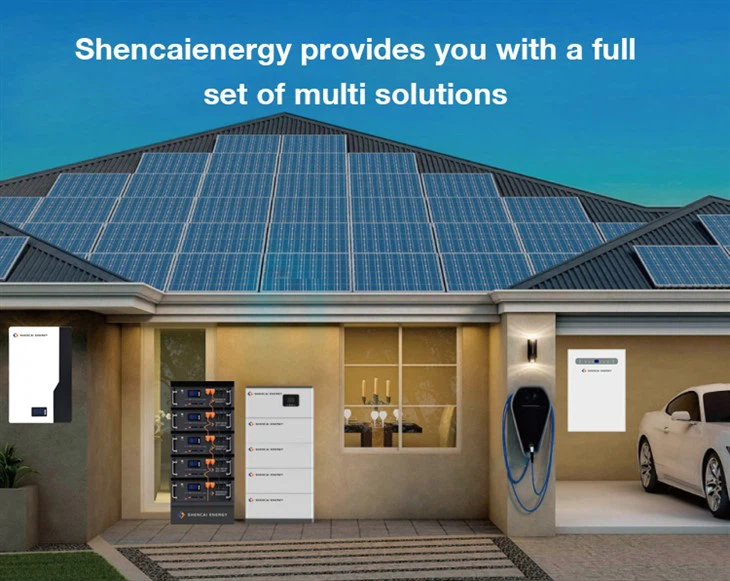
Stacked Home Energy Storage Systems are designed to provide scalable and flexible energy storage solutions for homes. These systems often use lithium - ion batteries due to their high energy density and long cycle life. Depending on the battery chemistry and design, a well - maintained stacked home energy storage system can achieve 5000 to 10000 charge - discharge cycles or more, especially when operated within the recommended parameters of DoD, charging/discharging rates, and temperature.
Household Battery Storage
Household Battery Storage solutions come in various forms, from small - scale systems for individual homes to larger setups for multi - family dwellings. The maximum number of charge - discharge cycles in household battery storage systems can vary widely depending on the battery type. For example, a lead - acid - based household battery storage system may offer 500 - 800 cycles, while a lithium - ion system can easily surpass 2000 cycles and may even reach 5000 or more cycles with proper care.
House Power Storage
House Power Storage systems are crucial for ensuring a stable and reliable power supply in homes, especially in areas with unreliable grid power or for off - grid living. Lithium - ion batteries are increasingly being used in house power storage due to their superior cycle life and performance. A high - quality lithium - ion house power storage system can provide 3000 to 8000 charge - discharge cycles, allowing homeowners to enjoy long - term energy storage without frequent battery replacements.
Real - World Considerations and Expectations
In real - world applications, achieving the maximum number of charge - discharge cycles advertised by battery manufacturers can be challenging. Homeowners need to consider the practical aspects of their energy usage patterns, the local climate, and the quality of the battery management system (BMS).
A good BMS is essential for monitoring and controlling the charging and discharging processes of the battery. It helps to prevent overcharging, over - discharging, and overheating, which can all significantly reduce the battery's cycle life. Additionally, regular maintenance, such as checking the battery's state of health and cleaning the terminals, can also contribute to a longer cycle life.

Making the Right Choice for Your Home
When selecting a house battery storage system, it's important to balance the initial cost, the expected number of charge - discharge cycles, and the overall performance. While lithium - ion batteries generally have a higher upfront cost compared to lead - acid batteries, their longer cycle life can result in lower long - term costs.
Homeowners should also consider their specific energy needs. If they have a high energy demand or plan to rely heavily on the battery storage system, a battery with a higher number of charge - discharge cycles, such as a lithium - ion battery, is a more suitable choice. On the other hand, if the energy usage is relatively low and the budget is limited, a lead - acid battery may be a viable option.
Contact Us for Your House Battery Storage Needs
As a leading supplier of house battery storage systems, we understand the importance of providing high - quality products that meet the diverse needs of homeowners. Our team of experts can help you select the right battery storage system based on your energy requirements, budget, and local conditions. Whether you are interested in Stacked Home Energy Storage Systems, Household Battery Storage, or House Power Storage, we have the solutions for you.
If you are considering purchasing a house battery storage system, we invite you to contact us for a detailed consultation. We can provide you with more information about the charge - discharge cycles, performance, and cost - effectiveness of our products. Let us help you make an informed decision and take the first step towards a more sustainable and reliable home energy future.
References
- "Battery Technology Handbook" by Thomas H. Eager
- Manufacturer datasheets of various battery products
- Research papers on battery performance and cycle life from academic journals such as Journal of Power Sources