

Hey there! As a supplier of House Intelligent Power Storage, I often get asked about the power output of these systems. So, I thought I'd break it down for you in this blog post.
First off, let's understand what house intelligent power storage is. It's a system that stores electrical energy for later use in your home. This energy can come from various sources, like solar panels on your roof or the grid during off - peak hours when electricity is cheaper. The stored energy can then be used during peak hours, power outages, or when the energy source (like solar) isn't producing enough.
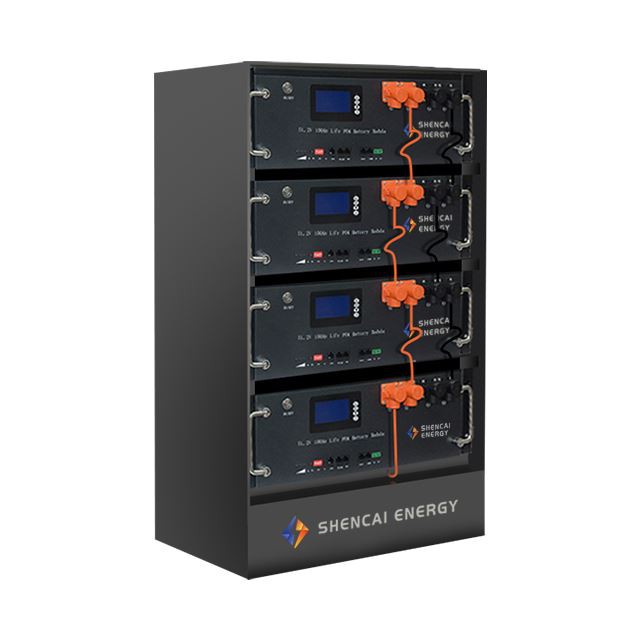

Now, the power output of a house intelligent power storage system isn't a one - size - fits - all thing. It can vary widely depending on a few key factors.
Battery Capacity
One of the most important factors is the battery capacity. Think of it like the size of a fuel tank in a car. A larger battery can store more energy, which means it can potentially provide a higher power output. For example, our 10kwh Solar Home Energy Storage System Battery Lithium LiFePO4 has a capacity of 10 kilowatt - hours (kWh). This means it can supply 10 kilowatts (kW) of power for one hour, or 1 kW of power for 10 hours.
The power output you need depends on your household's energy consumption. If you have a small apartment with just basic appliances like a fridge, a few lights, and a TV, you might not need a very high - capacity system. But if you have a large house with multiple air conditioners, electric heaters, and other high - power appliances, you'll need a bigger battery to meet your energy demands.
Inverter Rating
Another crucial factor is the inverter rating. The inverter is like the translator between the DC (direct current) power stored in the battery and the AC (alternating current) power that your home appliances use. The power output of the inverter determines how much AC power can be delivered to your home at any given time.
Let's say you have a battery with a high capacity, but the inverter has a low rating. You won't be able to use all the stored energy at once. For instance, if your inverter is rated at 3 kW, even if your battery can store 10 kWh, you can only draw a maximum of 3 kW of power at a time. So, when choosing a house intelligent power storage system, it's important to make sure the inverter rating is sufficient for your needs.
Charging and Discharging Rates
The charging and discharging rates also play a role in the power output. The charging rate is how fast the battery can be charged, and the discharging rate is how fast it can release the stored energy.
Some batteries can be charged and discharged at a high rate, which means they can provide a large amount of power quickly. This is useful in situations where you need to power high - demand appliances suddenly, like when you turn on an electric oven or a large air conditioner. On the other hand, if the charging and discharging rates are low, you'll have to wait longer to charge the battery and might not be able to use a lot of power at once.
Different Types of House Intelligent Power Storage Systems
There are several types of house intelligent power storage systems available, each with its own power output characteristics.
Stand - Alone Systems
Stand - alone systems are not connected to the grid. They rely solely on their stored energy and the energy source (like solar panels) to power your home. These systems need to be carefully sized to meet your energy needs, especially if you live in an area with unreliable sunlight or other energy sources. Our House Battery Storage Systems offer a range of options for stand - alone setups, with different power outputs to suit various households.
Grid - Connected Systems
Grid - connected systems are connected to the main electrical grid. They can charge from the grid during off - peak hours and use the stored energy during peak hours or power outages. These systems can also feed excess energy back into the grid, which can earn you credits on your electricity bill. The power output of grid - connected systems can be adjusted based on your agreement with the utility company and the capacity of the system.
Stacked Systems
Stacked systems allow you to combine multiple battery units to increase the overall capacity and power output. This is a great option if you have a large energy demand or if you want to expand your system in the future. Check out our Stacked Home Energy Storage Systems for more information on how this works.
Calculating Your Power Needs
To figure out the right power output for your house intelligent power storage system, you need to calculate your household's energy consumption. Start by making a list of all your appliances and their power ratings. You can usually find the power rating on a label on the appliance or in the user manual.
Next, estimate how many hours each appliance is used per day. Multiply the power rating by the number of hours used to get the energy consumption per day for each appliance. Then, add up the energy consumption of all your appliances to get your total daily energy consumption.
Once you know your total daily energy consumption, you can choose a house intelligent power storage system with a capacity and power output that can meet your needs. Keep in mind that you might also want to consider some extra capacity for unexpected energy demands or in case your energy consumption increases in the future.
Why Choose Our House Intelligent Power Storage Systems
We offer high - quality house intelligent power storage systems with a range of power outputs to suit different households. Our systems are designed with the latest technology to ensure efficient charging and discharging, and they are built to last.
We also provide excellent customer service and support. Our team of experts can help you choose the right system for your needs, install it properly, and provide maintenance and troubleshooting services. Whether you're a homeowner looking to save on your electricity bills or a business owner wanting to have a reliable backup power source, we've got you covered.
If you're interested in learning more about our house intelligent power storage systems or want to discuss your specific power output requirements, don't hesitate to reach out. We're here to help you make the best decision for your energy needs.
References
- DOE Energy Storage Grand Challenge. U.S. Department of Energy.
- International Renewable Energy Agency (IRENA) reports on energy storage.