

As a supplier of residential storage batteries, I understand the challenges homeowners face when choosing the right battery for their homes. With numerous options available in the market, making an informed decision can be overwhelming. This blog aims to provide a comprehensive guide to help you navigate through the selection process and choose the most suitable residential storage battery for your specific needs.
Understanding Your Energy Needs
Before diving into the world of residential storage batteries, it's crucial to understand your household's energy consumption patterns. Start by reviewing your electricity bills to determine your average daily and monthly energy usage. This information will give you a clear idea of how much energy you need to store and how often you'll rely on the battery.
Consider your peak energy usage times. Do you use more electricity in the morning when everyone is getting ready for work or school, or in the evening when you're cooking dinner and using appliances? Understanding your peak usage periods will help you select a battery with sufficient capacity to meet your demands during these high-energy times.
Think about your future energy needs. Are you planning to install solar panels or other renewable energy sources in the future? If so, you'll need a battery that can integrate seamlessly with these systems and store the excess energy generated.
Types of Residential Storage Batteries
There are several types of residential storage batteries available, each with its own unique characteristics and advantages. Here are some of the most common types:
Lithium-Ion Batteries
Lithium-ion batteries are the most popular choice for residential storage due to their high energy density, long lifespan, and fast charging capabilities. They are lightweight, compact, and require minimal maintenance. Lithium-ion batteries also have a high depth of discharge, which means they can be discharged to a lower level without causing damage.

Lead-Acid Batteries
Lead-acid batteries are an older technology but are still widely used in some applications. They are relatively inexpensive and have a proven track record of reliability. However, they are heavier and bulkier than lithium-ion batteries and have a shorter lifespan. Lead-acid batteries also require regular maintenance, such as checking the electrolyte levels and topping them up with distilled water.
Flow Batteries
Flow batteries are a newer type of battery technology that offers several advantages over traditional batteries. They have a longer lifespan, can be discharged to a lower level without causing damage, and can be easily scaled up or down to meet different energy storage needs. Flow batteries are also more environmentally friendly than lead-acid batteries as they use non-toxic electrolytes.
Key Considerations When Choosing a Residential Storage Battery
When choosing a residential storage battery, there are several key factors to consider. Here are some of the most important ones:
Capacity
The capacity of a battery refers to the amount of energy it can store. It is measured in kilowatt-hours (kWh). The capacity you need will depend on your household's energy consumption patterns and your desired level of backup power. A larger capacity battery will be able to store more energy and provide longer backup power, but it will also be more expensive.
Power Output
The power output of a battery refers to the rate at which it can deliver energy. It is measured in kilowatts (kW). The power output you need will depend on the appliances and devices you want to power during a power outage. A higher power output battery will be able to power more appliances and devices simultaneously, but it will also be more expensive.
Depth of Discharge (DoD)
The depth of discharge (DoD) of a battery refers to the percentage of the battery's capacity that can be safely discharged without causing damage. A higher DoD means that you can use more of the battery's capacity, but it may also reduce the battery's lifespan. Most lithium-ion batteries have a DoD of 80% or higher, while lead-acid batteries typically have a DoD of 50% or lower.
Lifespan
The lifespan of a battery refers to the number of charge-discharge cycles it can withstand before its performance starts to degrade. A longer lifespan battery will be more cost-effective in the long run as you won't have to replace it as often. Lithium-ion batteries typically have a lifespan of 10-15 years, while lead-acid batteries have a lifespan of 3-5 years.
Efficiency
The efficiency of a battery refers to the amount of energy that can be stored and retrieved from the battery. A higher efficiency battery will waste less energy during the charging and discharging process, which means you'll get more usable energy from the battery. Most lithium-ion batteries have an efficiency of 90% or higher, while lead-acid batteries typically have an efficiency of 80% or lower.
Cost
The cost of a residential storage battery is an important consideration. The cost will depend on the type of battery, its capacity, power output, and other features. Lithium-ion batteries are generally more expensive than lead-acid batteries, but they also offer better performance and a longer lifespan. It's important to compare the costs of different batteries and consider the long-term savings in energy costs and potential incentives or rebates.
Compatibility with Your Home's Electrical System
When choosing a residential storage battery, it's important to ensure that it is compatible with your home's electrical system. Here are some things to consider:
Voltage
The voltage of the battery must match the voltage of your home's electrical system. Most residential electrical systems in the United States operate at 120/240 volts, so you'll need a battery that can provide this voltage.
Inverter
An inverter is a device that converts the DC (direct current) power stored in the battery into AC (alternating current) power that can be used in your home. You'll need to choose an inverter that is compatible with the battery and your home's electrical system.
Monitoring and Control
Many residential storage batteries come with monitoring and control systems that allow you to track the battery's performance and usage. These systems can also help you optimize the battery's charging and discharging cycles to maximize its efficiency and lifespan. Make sure the battery you choose has a monitoring and control system that is easy to use and provides the information you need.
Safety and Maintenance
Safety is a top priority when it comes to residential storage batteries. Here are some things to consider:
Fire and Explosion Risk
Some types of batteries, such as lead-acid batteries, can pose a fire and explosion risk if not properly maintained. Make sure the battery you choose has safety features such as overcharge protection, over-discharge protection, and short-circuit protection.
Maintenance Requirements
Different types of batteries have different maintenance requirements. Lithium-ion batteries generally require less maintenance than lead-acid batteries, but they still need to be checked periodically to ensure they are functioning properly. Make sure you understand the maintenance requirements of the battery you choose and are willing to commit to them.
Our Residential Storage Battery Solutions
As a leading supplier of residential storage batteries, we offer a wide range of high-quality battery solutions to meet the needs of homeowners. Our Residential Storage Batteries are designed to provide reliable backup power and help you save on energy costs.
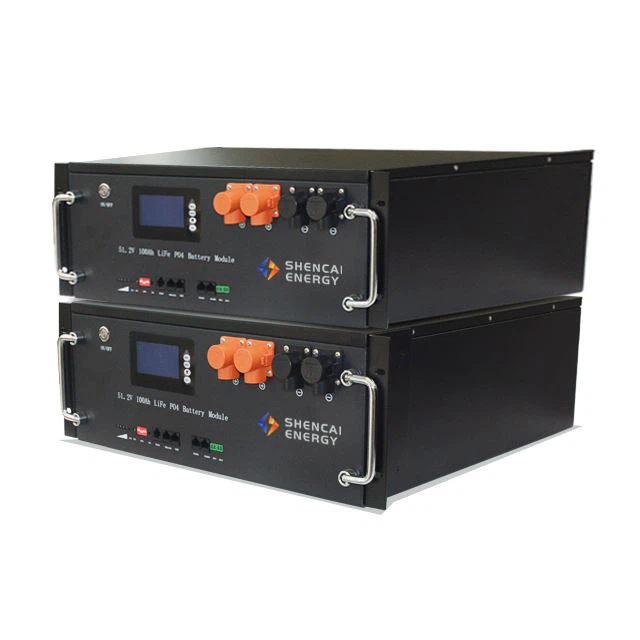
We offer Stacked Home Energy Storage Systems that allow you to easily scale up your energy storage capacity as your needs grow. Our House Intelligent Power Storage systems are equipped with advanced monitoring and control features that allow you to optimize the battery's performance and usage.
All of our batteries are designed and manufactured to the highest standards of quality and safety. We use only the best materials and components to ensure that our batteries are reliable, efficient, and long-lasting.
Conclusion
Choosing the right residential storage battery for your home is an important decision that requires careful consideration. By understanding your energy needs, the different types of batteries available, and the key factors to consider, you can make an informed decision and choose a battery that meets your specific requirements.
If you have any questions or need help choosing the right residential storage battery for your home, please don't hesitate to contact us. Our team of experts is here to assist you and provide you with the information and support you need to make the best decision for your home.
References
- "Residential Energy Storage: A Guide for Homeowners." U.S. Department of Energy.
- "Battery Storage Technologies." National Renewable Energy Laboratory.
- "Choosing the Right Battery for Your Home Energy Storage System." EnergySage.