

As a supplier of household battery storage systems, I've witnessed firsthand the growing interest in how these systems interact with time-of-use (TOU) electricity rates. This topic is not only fascinating from a technical perspective but also holds significant financial and environmental benefits for homeowners. In this blog, I'll delve into the workings of household battery storage in the context of TOU rates, exploring how they can optimize energy usage and savings.
Understanding Time-of-Use Electricity Rates
Time-of-use electricity rates are a pricing strategy employed by utility companies to encourage consumers to shift their electricity consumption to off-peak hours. Under TOU rates, electricity is priced differently depending on the time of day, typically divided into peak, off-peak, and sometimes shoulder periods. Peak hours usually coincide with high demand periods, such as late afternoons and early evenings when people return home from work and turn on lights, appliances, and air conditioners. During these times, electricity rates are at their highest. Off-peak hours, on the other hand, occur during periods of low demand, such as late at night and early morning, when rates are significantly lower. Shoulder periods fall between peak and off-peak hours and have intermediate rates.
The concept behind TOU rates is to balance the demand for electricity on the grid. By incentivizing consumers to use electricity during off-peak hours, utility companies can reduce the strain on the grid during peak periods, avoid the need for costly infrastructure upgrades, and potentially lower overall energy costs.
How Household Battery Storage Works
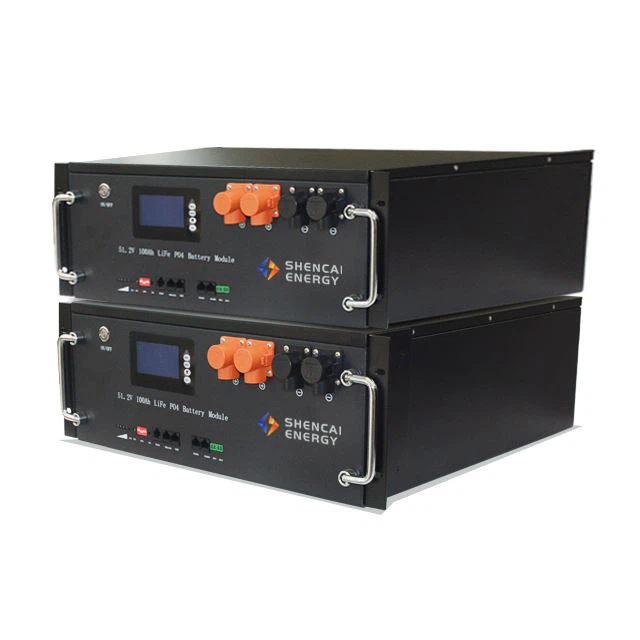
A household battery storage system, such as our House Intelligent Power Storage, is designed to store excess electricity generated from renewable sources like solar panels or purchased from the grid during off-peak hours. The system consists of one or more batteries, an inverter, and a charge controller.
The charge controller manages the flow of electricity between the power source (solar panels or the grid), the batteries, and the household electrical system. It ensures that the batteries are charged safely and efficiently, preventing overcharging or discharging. The inverter converts the direct current (DC) electricity stored in the batteries into alternating current (AC) electricity, which is used to power household appliances and devices.
When the sun is shining, solar panels generate electricity that can be used to power the home directly. Any excess electricity that is not immediately consumed is sent to the battery storage system for storage. During off-peak hours, when electricity rates are low, the battery storage system can be charged from the grid. This stored energy can then be used to power the home during peak hours, when electricity rates are high, or during power outages.
Optimizing Energy Usage with TOU Rates
One of the primary benefits of a household battery storage system is its ability to optimize energy usage in conjunction with TOU electricity rates. By storing electricity during off-peak hours and using it during peak hours, homeowners can significantly reduce their electricity bills.
Let's take a closer look at how this works. Suppose a homeowner has a solar panel system and a battery storage system. During the day, when the sun is shining, the solar panels generate electricity that is used to power the home. Any excess electricity is stored in the battery. In the evening, when the sun goes down and electricity rates enter the peak period, the homeowner can draw on the stored energy in the battery to power the home, rather than purchasing electricity from the grid at the higher peak rate.
Even if a homeowner does not have solar panels, they can still benefit from a battery storage system by charging the batteries during off-peak hours and using the stored energy during peak hours. This strategy, known as load shifting, allows homeowners to take advantage of the lower off-peak rates and avoid paying the higher peak rates.
In addition to reducing electricity bills, load shifting can also help to reduce the overall demand for electricity on the grid during peak periods. This can have a positive impact on the environment by reducing the need for fossil fuel-powered power plants to meet peak demand.
Choosing the Right Battery Storage System
When considering a household battery storage system, it's important to choose a system that is compatible with your home's electrical system and your energy usage patterns. Here are some factors to consider:
- Capacity: The capacity of a battery storage system is measured in kilowatt-hours (kWh) and determines how much electricity the system can store. You'll need to choose a system with a capacity that is sufficient to meet your energy needs during peak hours or power outages.
- Power Rating: The power rating of a battery storage system is measured in kilowatts (kW) and determines how much electricity the system can deliver at any given time. You'll need to choose a system with a power rating that is sufficient to power your home's essential appliances and devices.
- Depth of Discharge (DoD): The depth of discharge is the percentage of a battery's capacity that can be used before it needs to be recharged. A higher DoD means that you can use more of the battery's stored energy, but it can also reduce the battery's lifespan. You'll need to choose a system with a DoD that is appropriate for your needs.
- Efficiency: The efficiency of a battery storage system is the percentage of electricity that is stored in the battery and can be retrieved later. A higher efficiency means that less energy is lost during the charging and discharging process, which can save you money in the long run.
- Warranty: A good warranty is an important consideration when choosing a battery storage system. Make sure to choose a system with a warranty that covers both the battery and the inverter for a reasonable period of time.
Our company offers a range of battery storage systems, including Wall Mounted Battery For House and Stacked Home Energy Storage Systems, to meet the diverse needs of homeowners. Our systems are designed to be easy to install, operate, and maintain, and are backed by a comprehensive warranty.
Conclusion
Household battery storage systems offer a practical and cost-effective solution for homeowners looking to optimize their energy usage and reduce their electricity bills. By storing electricity during off-peak hours and using it during peak hours, these systems can help homeowners take advantage of TOU electricity rates and save money. In addition, they can provide backup power during outages and reduce the overall demand for electricity on the grid, which can have a positive impact on the environment.
If you're interested in learning more about how a household battery storage system can benefit your home, please contact us to schedule a consultation. Our team of experts will be happy to answer your questions and help you choose the right system for your needs.

References
- Energy.gov. (n.d.). Time-of-Use Electricity Rates. Retrieved from https://www.energy.gov/energysaver/time-use-electricity-rates
- SolarReviews. (n.d.). How Do Battery Storage Systems Work? Retrieved from https://www.solarreviews.com/blog/how-do-battery-storage-systems-work
- U.S. Department of Energy. (n.d.). Energy Storage for the Home. Retrieved from https://www.energy.gov/energysaver/energy-storage-home