

Hey there! I'm a supplier of Household Battery Storage, and today I want to dig into a question that comes up a lot: Can household battery storage be used in areas with low sunlight?
Let's start by getting a basic understanding of how household battery storage works. These House Battery Storage Systems are designed to store energy for later use. Usually, they're paired with solar panels. During the day, the panels soak up sunlight and convert it into electricity. This electricity can either be used right away in your home or stored in the batteries for when the sun isn't shining, like at night or on cloudy days.
But what about those places where sunlight is scarce? Well, the short answer is yes, household battery storage can still be super useful. First off, not all energy stored in these batteries comes from solar power. In many areas, the local power grid is a major source of energy. You can charge your Residential Storage Batteries during off - peak hours when electricity rates are lower. This way, you're essentially buying energy when it's cheap and using it when you need it, regardless of the amount of sunlight.
For example, let's say you live in a region with long, dark winters. You can take advantage of the grid's electricity at night when demand is low and store it in your batteries. Then, during the day, when you're using appliances or need to power your home, you can rely on the stored energy instead of drawing from the grid at peak - rate times. This not only helps you save money but also gives you more control over your energy usage.
Another aspect to consider is the role of other renewable energy sources. In low - sunlight areas, wind power can be a great alternative. If you have a small wind turbine on your property, it can generate electricity that can be stored in your battery system. Hydroelectric power is also an option in some regions. Even if you don't have access to large - scale hydro plants, micro - hydro systems can be set up in areas with a suitable water source. The electricity generated from these non - solar renewable sources can be stored in your Stacked Home Energy Storage Systems for later use.
Now, let's talk about the technology behind these battery storage systems. Modern battery technologies have come a long way. Lithium - ion batteries, for instance, are highly efficient and have a long lifespan. They can store a large amount of energy in a relatively small space. This means that even if you're not getting a huge amount of energy input from sunlight or other sources, you can still have a reliable and long - lasting storage solution.
The management systems in these battery storage units are also very smart. They can monitor your energy usage patterns, the state of charge of the batteries, and the availability of energy from different sources. Based on this information, they can optimize the charging and discharging processes. For example, if the grid is about to enter a peak - rate period and your batteries are sufficiently charged, the system will automatically switch to using the stored energy.
One of the key benefits of having a household battery storage system, even in low - sunlight areas, is energy independence. You're not completely at the mercy of the power grid. In case of a power outage, which can be more common in some regions with extreme weather conditions, your stored energy can keep your essential appliances running. This includes things like your refrigerator to keep your food fresh, your lights to provide illumination, and your heating or cooling system to maintain a comfortable temperature.
There are also environmental benefits. By using stored energy from renewable sources or charging your batteries during off - peak hours, you're reducing your carbon footprint. Even if you're not getting all your energy from solar, you're still contributing to a more sustainable energy future.
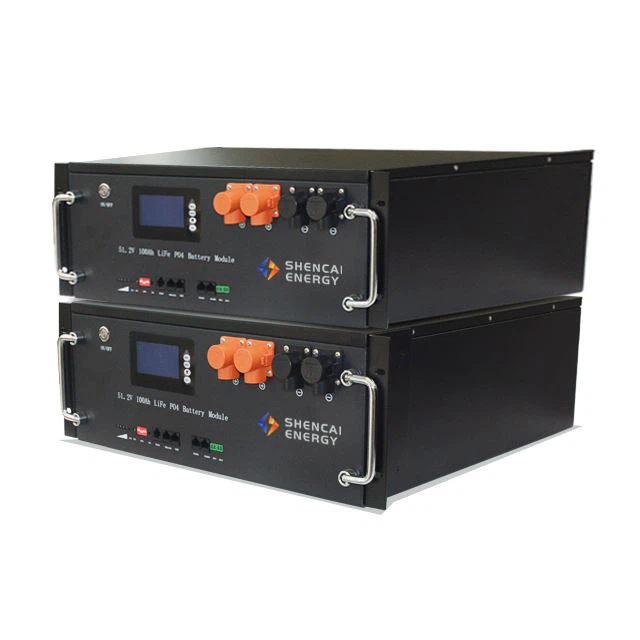

Now, you might be wondering about the cost. Sure, setting up a household battery storage system is an investment. But when you consider the long - term savings on your electricity bills, the increased energy independence, and the environmental benefits, it's a pretty good deal. Plus, as the technology continues to develop, the costs are coming down.
If you're in an area with low sunlight and are thinking about getting a household battery storage system, here are some things to keep in mind. First, assess your energy needs. Figure out how much energy you use on a daily and monthly basis. This will help you determine the size of the battery system you need. Second, look into the available renewable energy sources in your area. If wind or hydro power is an option, factor that into your decision - making process. Third, consider the reliability of the power grid in your region. If outages are common, you might want to opt for a larger battery system to ensure you have enough stored energy to last through a blackout.
In conclusion, household battery storage can definitely be used in areas with low sunlight. Whether it's through charging from the grid during off - peak hours, using other renewable energy sources, or taking advantage of advanced battery technology, these systems offer a range of benefits. They provide energy savings, independence, and a more sustainable way of living.
If you're interested in learning more about our House Battery Storage Systems, Residential Storage Batteries, or Stacked Home Energy Storage Systems, I'd love to have a chat with you. We can discuss your specific needs, the best system for your situation, and how we can help you make the most of your energy storage solution.
References
- Various industry reports on battery storage technology and renewable energy integration
- Studies on energy consumption patterns in low - sunlight regions