

Maintaining a wall-mounted battery for your house is crucial to ensure its longevity, efficiency, and safety. As a leading supplier of wall-mounted batteries for houses, I understand the importance of proper maintenance. In this blog, I'll share some essential tips and best practices to help you keep your wall-mounted battery in top condition.
Understanding Your Wall - Mounted Battery
Before diving into maintenance, it's important to understand the basics of your wall - mounted battery. These batteries are designed to store electrical energy for later use, providing backup power during outages or helping you manage your energy consumption more effectively. They come in different chemistries, such as lithium - ion, lead - acid, and nickel - metal hydride, each with its own characteristics and maintenance requirements.
Lithium - ion batteries are popular for their high energy density, long lifespan, and low self - discharge rate. They are commonly used in modern wall - mounted battery systems. Lead - acid batteries, on the other hand, are more traditional and are known for their reliability and relatively low cost. Nickel - metal hydride batteries offer a balance between the two, with good energy density and a relatively long cycle life.
Regular Inspections
Regular inspections are the first step in maintaining your wall - mounted battery. You should visually inspect the battery and its components at least once a month. Look for any signs of damage, such as cracks, leaks, or corrosion on the battery casing, terminals, or cables. If you notice any damage, it's important to address it immediately to prevent further problems.
Check the battery's mounting brackets and hardware to ensure they are secure. Loose mounting can cause vibrations, which may damage the battery over time. Also, make sure the battery is installed in a well - ventilated area, away from direct sunlight, heat sources, and flammable materials.
Temperature Management
Temperature has a significant impact on the performance and lifespan of your wall - mounted battery. Most batteries operate best within a specific temperature range. For lithium - ion batteries, the optimal temperature range is typically between 20°C and 25°C (68°F and 77°F). High temperatures can accelerate the battery's aging process and reduce its capacity, while low temperatures can decrease its performance.
If your battery is installed in an area with extreme temperatures, consider using a temperature - controlled enclosure or insulation to maintain a stable temperature. You can also use fans or air conditioning to cool the battery if necessary.
Charging and Discharging
Proper charging and discharging practices are essential for maintaining your wall - mounted battery. Follow the manufacturer's recommendations for charging and discharging rates. Overcharging or over - discharging the battery can damage its cells and reduce its lifespan.
Most modern wall - mounted batteries come with built - in battery management systems (BMS) that help regulate the charging and discharging process. However, it's still important to monitor the battery's state of charge regularly. Avoid letting the battery discharge completely, as this can cause irreversible damage to the cells.
Cleaning
Keeping your wall - mounted battery clean is also important for its performance and safety. Use a dry, soft cloth to wipe the battery casing and terminals regularly. If there is any dirt or debris on the terminals, you can use a small amount of baking soda and water to clean them. Make sure to dry the terminals thoroughly after cleaning to prevent corrosion.
Avoid using abrasive materials or harsh chemicals to clean the battery, as these can damage the casing and terminals.
Software Updates
If your wall - mounted battery has a connected software system, make sure to keep it up - to - date. Software updates can improve the battery's performance, add new features, and fix any bugs or security vulnerabilities. Check the manufacturer's website regularly for software updates and follow the instructions to install them.
Monitoring and Maintenance Records
Invest in a battery monitoring system to keep track of your battery's performance. A monitoring system can provide real - time data on the battery's state of charge, temperature, voltage, and other important parameters. This data can help you detect any potential problems early and take appropriate action.
Keep a maintenance record of all the inspections, cleaning, charging, and discharging activities. This record can help you track the battery's history and identify any trends or issues over time.
Safety Precautions
When maintaining your wall - mounted battery, always follow safety precautions. Wear appropriate protective gear, such as gloves and safety glasses, when handling the battery. Make sure to disconnect the battery from the power source before performing any maintenance or repairs.
If you are unsure about any maintenance procedures, consult the manufacturer's manual or contact a professional technician.
The Importance of Professional Maintenance
While regular DIY maintenance is important, it's also recommended to have your wall - mounted battery professionally serviced at least once a year. A professional technician can perform a more in - depth inspection, test the battery's performance, and make any necessary adjustments or repairs.
Professional maintenance can help ensure that your battery is operating at its best and can extend its lifespan. It can also help you avoid any costly breakdowns or safety hazards.
Conclusion
Maintaining a wall - mounted battery for your house is a combination of regular inspections, proper charging and discharging, temperature management, cleaning, and monitoring. By following these tips and best practices, you can ensure that your battery provides reliable and efficient energy storage for years to come.
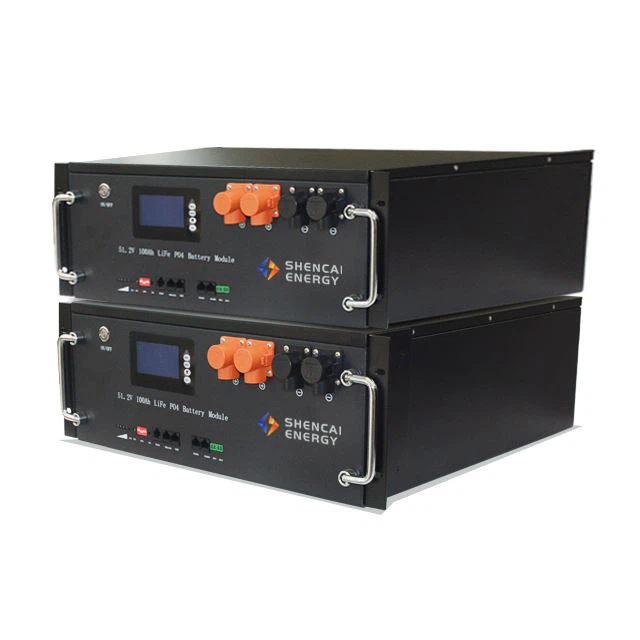
If you are in the market for a high - quality wall - mounted battery for your house, we are here to help. We offer a wide range of House UPS Power Supply, House Power Storage, and Stacked Home Energy Storage Systems to meet your specific needs. Contact us today to discuss your requirements and explore our products. We look forward to working with you to provide the best energy storage solution for your home.

References
- Battery University. "Battery Maintenance and Care."
- Manufacturer's manuals for wall - mounted batteries.
- Industry standards and guidelines for battery maintenance.