

Hey there! As a supplier of home storage batteries, I often get asked about the cycle life of these batteries. It's a crucial topic, especially for folks looking to invest in a reliable energy storage solution for their homes. So, let's dive right in and break down what cycle life means, why it matters, and how it impacts your choice of a home storage battery.
What Exactly is Cycle Life?
Let's start with the basics. The cycle life of a home storage battery refers to the number of charge - discharge cycles a battery can go through before its capacity drops to a certain level, usually 80% of its original capacity. A charge - discharge cycle is when you fully charge the battery and then fully discharge it.
For example, if you have a battery with a cycle life of 5000 cycles, it means that you can charge and discharge it 5000 times before it starts to lose its effectiveness and can only hold 80% of the energy it could when it was brand new.
Why Does Cycle Life Matter?
Well, think about it. If you're using a home storage battery to store energy from your solar panels or to power your home during a blackout, you want it to last as long as possible. A battery with a longer cycle life will serve you better over the years, saving you money in the long run. You won't have to replace it as often, which means less hassle and more savings on battery replacements.
Factors Affecting Cycle Life
There are several factors that can affect the cycle life of a home storage battery.
Depth of Discharge (DoD)
The depth of discharge is how much of the battery's capacity you use during each cycle. If you only use a small portion of the battery's capacity, say 20%, and then recharge it, the battery will generally have a longer cycle life compared to if you fully discharge it (100% DoD) every time. For instance, some batteries can handle thousands of cycles at a 20% DoD but only a few hundred at a 100% DoD.

Charging and Discharging Rates
The speed at which you charge and discharge the battery also matters. If you charge or discharge the battery too quickly, it can put stress on the battery cells and reduce its cycle life. On the other hand, slow and steady charging and discharging are better for the battery's longevity.
Temperature
Batteries are sensitive to temperature. Extreme heat or cold can have a negative impact on the cycle life of a battery. High temperatures can cause the battery to degrade faster, while very cold temperatures can reduce the battery's performance. That's why it's important to install your home storage battery in a place with a stable temperature.
Types of Home Storage Batteries and Their Cycle Life
There are different types of home storage batteries available in the market, and each has its own typical cycle life.
Lithium - Ion Batteries
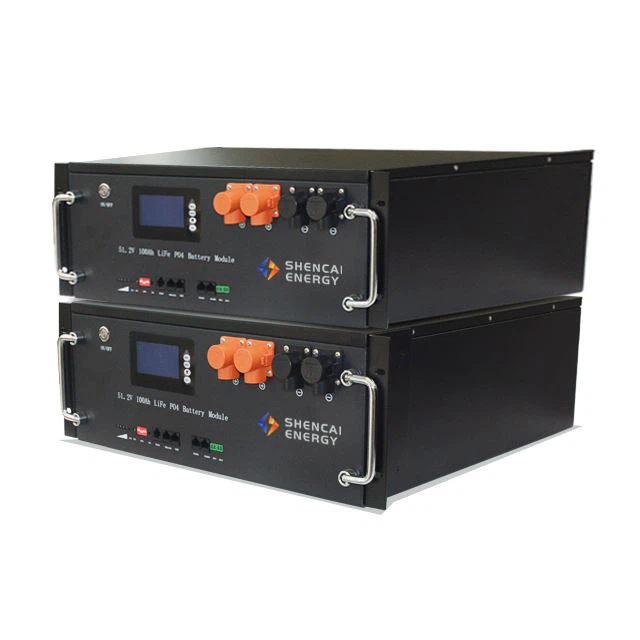
Lithium - ion batteries are very popular for home storage. They offer a relatively long cycle life, often ranging from 2000 to 10000 cycles, depending on the specific chemistry and design. For example, lithium iron phosphate (LiFePO4) batteries, which are a type of lithium - ion battery, are known for their long cycle life and safety. You can check out our Wholesale Rack Mounted 48V 100AH 200AH Lifepo4 Solar Battery Pack for a reliable LiFePO4 option.
Lead - Acid Batteries
Lead - acid batteries have been around for a long time. They are generally less expensive but have a shorter cycle life compared to lithium - ion batteries. Typically, lead - acid batteries can handle around 300 to 500 cycles at a 50% DoD.
Flow Batteries
Flow batteries are a newer technology. They have the advantage of being able to handle a large number of cycles, often more than 10000 cycles. However, they are usually more expensive and larger in size.
How to Maximize Cycle Life
If you want to get the most out of your home storage battery, here are some tips to maximize its cycle life.
Manage Depth of Discharge
Try to keep the depth of discharge as low as possible. You can do this by using energy management systems that control how much of the battery's capacity is used.
Control Charging and Discharging Rates
Use a charger that is designed for your battery and can charge it at an appropriate rate. Avoid fast - charging or discharging unless it's necessary.
Maintain Proper Temperature
Make sure your battery is installed in a well - ventilated area with a stable temperature. You might even consider using a temperature - controlled enclosure for the battery.
Our Home Storage Battery Offerings
At our company, we offer a range of home storage batteries with different cycle lives to meet your specific needs. Our Stacked Home Energy Storage Systems are designed to be efficient and long - lasting. They are built with high - quality components that can withstand multiple charge - discharge cycles.
We also have House Battery Storage Systems that are perfect for residential use. These systems are engineered to provide reliable energy storage for your home, whether you're using solar power or need backup during a power outage.
Conclusion
The cycle life of a home storage battery is a key factor to consider when choosing a battery for your home. By understanding what cycle life is, what affects it, and how to maximize it, you can make an informed decision and choose a battery that will serve you well for years to come.
If you're interested in learning more about our home storage batteries or are ready to make a purchase, feel free to reach out to us. We're here to help you find the perfect energy storage solution for your home.
References
- Battery University: A great resource for in - depth information on battery technology and cycle life.
- Industry reports on home energy storage systems.